Victoria cake: Creating a flawless Victoria Cake at home is a delightful venture that combines the joy of baking with the satisfaction of indulging in a timeless treat. This classic British cake, named after Queen Victoria, is a symbol of elegance and simplicity. If you’re ready to embark on a homemade baking adventure, here are seven SEO-optimized tips to ensure your Victoria Cake is a mouthwatering success.
1. Quality Ingredients for Superior Flavor
To elevate your Victoria Cake from good to exceptional, start with high-quality ingredients. Opt for fresh, free-range eggs, premium butter, and the finest vanilla extract. Using top-notch ingredients not only enhances the flavor but also contributes to the overall texture and richness of the cake, leaving your taste buds craving for more.
2. Precise Measurements for Perfect Consistency
Baking is a science, and precision is key. Invest in accurate measuring tools to ensure you get the right balance of ingredients. Follow the recipe meticulously, measuring each component with care. Consistency in measurements guarantees a well-balanced Victoria Cake with a light and fluffy texture that’s sure to impress.
3. Master the Creaming Method
The heart of a Victoria Cake lies in the creaming method. Achieve the perfect balance between butter and sugar by beating them together until light and fluffy. This process incorporates air into the mixture, resulting in a soft and airy cake. Take your time during this step, and don’t rush the creaming process for a velvety, melt-in-your-mouth experience.
4. Sift Your Dry Ingredients
For a smooth and lump-free batter, always sift your dry ingredients. This step not only removes any impurities but also aerates the flour, contributing to the cake’s light and tender crumb. Sifting is a simple yet crucial technique that can significantly impact the final texture of your Victoria Cake.
5. Perfecting the Art of Filling
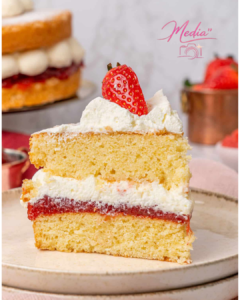
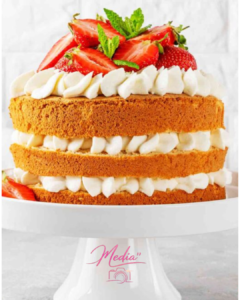
While strawberry jam is the traditional choice for filling a Victoria Cake, don’t be afraid to experiment. Opt for high-quality jams or preserves that complement the flavor profile of your cake. Spread the filling evenly, ensuring each bite is a harmonious blend of sweetness and lightness.
6. The Right Oven Temperature
Preheat your oven to the exact temperature specified in the recipe. This ensures even baking and prevents the cake from becoming too dense or undercooked. Invest in an oven thermometer to guarantee precision and maintain the ideal temperature throughout the baking process.


7. Patience in Cooling and Decorating
Once it is out of the oven, resist the urge to dive in immediately. Allow it to cool completely on a wire rack before adding any finishing touches. Whether you choose a dusting of powdered sugar, a layer of fresh berries, or a dollop of whipped cream, let your creativity shine. A well-decorated Victoria Cake not only looks stunning but also enhances the overall dining experience.
In conclusion, mastering the art of baking a perfect Victoria Cake at home is a rewarding journey. By prioritizing quality ingredients, precision, and essential techniques, you’ll create a masterpiece that captures the essence of this classic treat. So, put on your apron, preheat your oven, and embark on a delicious adventure that will leave your family and friends asking for seconds. Happy baking!
Frequently Asked Questions
General & History
Q1: What exactly is a Victoria Cake? A Victoria Cake (or Victoria Sponge) is a classic British cake named after Queen Victoria. It traditionally consists of two layers of light sponge cake sandwiched together with raspberry jam and a dusting of caster sugar on top. Modern variations often include a layer of vanilla buttercream or fresh whipped cream alongside the jam.
Q2: What is the difference between a Victoria Sponge and a regular sponge cake? A traditional sponge cake relies entirely on whipped eggs for its structure and rise, containing little to no fat. A Victoria Sponge uses a “pound cake” style foundation—equal weights of flour, fat, sugar, and eggs—which yields a much richer, melt-in-your-mouth crumb.
Ingredients & Science
Q3: Should I use butter or margarine for a Victoria Sponge? For the absolute best flavor, use high-quality, unsalted block butter. Margarine or baking spreads contain more water, which can make the sponge softer but lacks that signature rich, buttery taste.
Q4: Is it better to use self-raising flour or plain flour? Self-raising flour is preferred because it ensures an even, reliable rise. If you only have plain (all-purpose) flour, you can make your own by adding 2 teaspoons of baking powder for every 150g (approx. 1 and 1/4 cups) of plain flour, sifting them together thoroughly.
Q5: Why do my ingredients need to be at room temperature? If your eggs or butter are too cold, they won’t emulsify (bind together) properly. Cold eggs added to creamed butter will cause the batter to curdle, trapping less air and resulting in a heavy, dense cake.
Mixing & Baking Technique
Q6: What is the best method for mixing a Victoria Sponge? There are two main ways:

-
The Creaming Method: Beating the butter and sugar together until pale and fluffy before gradually adding the eggs and folding in the flour. This creates the lightest texture.
-
The All-in-One Method: Throwing all ingredients into a bowl and mixing. It’s faster, but the cake may be slightly less airy.
Q7: How do I stop my cake batter from curdling when adding eggs? Add your room-temperature eggs one at a time, beating thoroughly after each addition. If you notice the mixture starting to look like wet scrambled eggs, add a tablespoon of your measured flour to absorb the excess moisture and bring the emulsion back together.
Q8: How long and at what temperature should I bake a Victoria Sponge? Bake at 180°C (350°F)—or 160°C (325°F) if using a fan-assisted oven. Two 8-inch sandwich tins will typically take 20 to 25 minutes.
Troubleshooting Common Mistakes
Q9: Why did my Victoria Sponge sink in the middle? This usually happens for three reasons: opening the oven door too early (which lets out the trapped hot air before the cake’s structure sets), using too much baking powder, or the oven temperature being too low.
Q10: Why is my cake cracked or domed on top? A cracked, peaked top means your oven was too hot. The outside of the cake baked and set into a crust too quickly, forcing the expanding batter in the center to burst through the top as it cooked.
Q11: Why is my sponge cake dry and dense? Over-baking is the main culprit for dryness. Density usually comes from over-mixing the flour once it’s added, which develops the gluten and turns a delicate cake into a bread-like texture. Fold the flour in gently until just combined.
Assembly & Storage
Q12: Which filling is traditional for a Victoria Sponge? The most traditional filling is raspberry jam alone. However, strawberry jam is highly popular, and adding a layer of vanilla buttercream or lightly sweetened whipped cream is widely accepted and loved.
Q13: Should I dust the top with icing sugar or caster sugar? Traditionally, granulated or caster sugar is sprinkled on top to give it a slight crunch. However, a light dusting of powdered (icing) sugar is frequently used for a cleaner, prettier look.

Q14: How should I store a Victoria Cake, and how long does it last? Store it in an airtight container at room temperature for up to 3 days. If you filled your cake with fresh whipped cream instead of buttercream, it must be stored in the fridge, where it will keep for about 2 days (though the fridge can dry out the sponge slightly).
Q15: Can I freeze Victoria Sponge layers? Yes! You can freeze the uniced sponge layers easily. Wrap the cooled sponges tightly in plastic wrap, then aluminum foil, and freeze for up to 3 months. Thaw at room temperature before assembling.
OTHER TOP ARTICLES OF THE DAY;
Back to Mpya News Home page: Education, Fashion, Law, business and sports
Last updated on: May 25, 2026
New information gained / new value takehome
- If you’re ready to embark on a homemade baking adventure, here are seven SEO-optimized tips to ensure your Victoria Cake is a mouthwatering success.
- Precise Measurements for Perfect Consistency Baking is a science, and precision is key.
- Invest in accurate measuring tools to ensure you get the right balance of ingredients.
- This process incorporates air into the mixture, resulting in a soft and airy cake.
- Sifting is a simple yet crucial technique that can significantly impact the final texture of your Victoria Cake.
- This ensures even baking and prevents the cake from becoming too dense or undercooked.
- By prioritizing quality ingredients, precision, and essential techniques, you’ll create a masterpiece that captures the essence of this classic treat.
- Self-raising flour is preferred because it ensures an even, reliable rise.
- Cold eggs added to creamed butter will cause the batter to curdle, trapping less air and resulting in a heavy, dense cake.
This content was developed using AI as part of our research process. To ensure absolute accuracy, all information has been rigorously fact-checked and validated by our human editor, Rodgers Mwenda.
External resource 1: BBC World News Coverage
External resource 2: Reuters Global Agency
Reference 1: The New York Times International
Reference 2: Al Jazeera News Updates
Reference 3: Associated Press Official
Photo credit: instagram.com