Isla fisher: Isla Fisher, the Australian actress known for her stunning looks and vibrant personality, has become a style icon in the world of fashion and beauty. One of the aspects that sets her apart is her ever-changing yet effortlessly chic hairstyles. If you’re looking to channel Isla Fisher’s glamorous vibes, here are seven ways to style your hair just like hers.
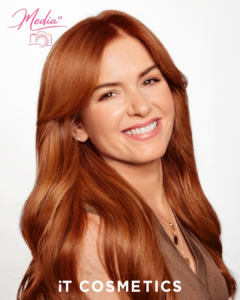
Unlocking Isla Fisher's Signature Hairstyles

1. The Beachy Waves: Isla fisher

Isla Fisher is often spotted rocking the quintessential beachy waves – a hairstyle that exudes a carefree and effortlessly stylish vibe. Achieve this look by using a large-barrel curling iron or wand to create loose waves. After styling, run your fingers through your hair to achieve that tousled finish. Finish it off with a spritz of sea salt spray for that perfect beach-inspired texture.

2. The Sleek and Straight

For a more polished and sophisticated look, take inspiration from Isla Fisher’s sleek and straight hairstyles. Use a high-quality flat iron to straighten your hair, starting from the roots and working your way down to the tips. Apply a shine-enhancing serum to add a glossy finish and tame any frizz. This hairstyle is perfect for both casual and formal occasions, offering versatility and timeless elegance.

3. The Classic Updo: Isla fisher

Isla Fisher often graces the red carpet with classic updos that are both timeless and stunning. Whether it’s a sleek bun or a more relaxed chignon, this style is perfect for special events or when you want to add a touch of sophistication to your look. Secure your updo with bobby pins and hairspray to ensure it stays in place throughout the day or night.
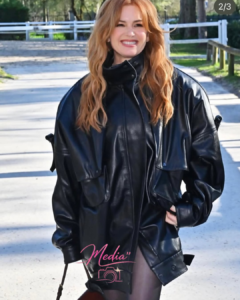
Unlocking Isla Fisher's Signature Hairstyles

4. Boho Braids

Embrace Isla Fisher’s bohemian spirit with boho braids. Whether it’s a loose side braid or intricate fishtail braids, this style adds a touch of romance to your look. Start by creating the desired braids and then gently pull them apart for a more relaxed and effortlessly chic finish. Boho braids are perfect for a music festival, a casual day out, or whenever you want to infuse a bit of bohemian flair into your style.

5. Half-Up, Half-Down: Isla fisher

For a look that seamlessly combines elegance with a touch of playfulness, try the half-up, half-down hairstyle. Isla Fisher often opts for this style on various occasions. Gather the top section of your hair and secure it with a hair tie or barrette while leaving the rest of your hair flowing. This versatile style works well for both casual and formal settings, making it a go-to option for various events.

6. Messy Bun

Isla Fisher’s messy bun is the epitome of casual chic. To achieve this look, gather your hair into a loose ponytail and twist it into a bun. Allow a few strands to fall gracefully around your face for a soft and romantic touch. This hairstyle is perfect for those days when you want to look effortlessly put together without putting in too much effort.


Unlocking Isla Fisher's Signature Hairstyles

7. Retro Curls: Isla fisher

Channel Isla Fisher’s vintage glamour with retro curls reminiscent of Old Hollywood. Use a curling iron to create soft curls, focusing on the mid-lengths to the ends of your hair. Brush through the curls with a wide-tooth comb for a softer, more vintage look. Finish with a light hold hairspray to keep the curls in place, and you’ll be ready to turn heads with your timeless elegance.

Isla Fisher’s ever-evolving hairstyles offer a wealth of inspiration for anyone looking to switch up their look. Whether you prefer beachy waves, sleek straight locks, or boho braids, there’s a style that can help you channel Isla Fisher’s signature charm and elegance. Experiment with these hairstyles to find the one that resonates with your personal style, and get ready to make a statement with your locks just like this Hollywood beauty.

Frequently Asked Questions

1. What is Isla Fisher’s exact signature hair color?

Isla Fisher’s hair is famous for its vibrant, rich golden-copper hue, often categorized as a true strawberry blonde or light copper red. Celebrity colorists describe it as a warm, reflective shade that balances bright golden highlights with deep ginger undertones.

2. Is Isla Fisher a natural redhead?

Yes, she is! While she occasionally enhances her color for the screen or red carpet with glosses and subtle highlights, she is one of Hollywood’s most famous natural redheads.

3. What should I ask my stylist for to get her color?

Ask your colorist for a Level 7 or 8 golden-copper or warm strawberry blonde. Emphasize that you want a “multi-dimensional golden-copper” rather than a cool-toned or plum-based red. Mention that you want to avoid dark auburn tones to keep it bright.

4. What skin tones suit Isla Fisher’s hair color best?

Warm copper and strawberry blonde tones naturally look best on pale, fair, or creamy skin tones, especially those with warm or neutral undertones. If you have natural freckles, this color blends beautifully and looks incredibly authentic.

5. How does she get those effortless, loose Hollywood waves?

Her classic red carpet look is achieved using a 1.25-inch or 1.5-inch curling iron. The secret is curling the hair away from the face, leaving the last inch of the ends straight, and gently brushing out the curls with a wide-tooth comb or boar bristle brush to transform tight ringlets into soft waves.

6. What kind of haircut is best for replicating her style?

Isla typically wears her hair long with subtle, long layers cut around the edges and mid-lengths. This removes weight from thick hair, prevents a bottom-heavy “triangle” shape, and adds natural movement to her waves.

7. Does Isla Fisher have fine or thick hair?

She has a high density of fine-to-medium textured hair. Because her strands are fine but plentiful, long layers are essential to give her hair bounce without making the ends look thin or stringy.

8. How do I maintain a copper hair color so it doesn’t fade?

Red pigments fade faster than any other hair color. To fight the fade:

9. How do you style her sleek, straight look?

For her smooth, high-shine straight style, prep damp hair with a blowout cream or smoothing serum. Blow-dry from root to tip using a large round brush to create tension and shine. Finish by running a flat iron over the mid-lengths to ends, curving slightly inward at the bottom for a polished finish.

10. Does she ever wear bangs or face-framing layers?

Isla usually avoids heavy, blunt bangs. Instead, she frequently opts for long, side-swept bangs or chin-length face-framing layers that blend seamlessly into her longer layers when her hair is parted to the side.

11. What parting does Isla Fisher usually favor?

She alternates between a deep side part for formal, old-Hollywood glamour events and a clean middle part for casual, beachy waves. A deep side part is excellent for adding instant volume at the roots.

12. Has Isla Fisher ever drastically changed her hair color?

Yes, occasionally for roles or a fresh look. Most notably, she shocked fans by debuting a bright golden-blonde look with a goddess headband on New Year’s Day. She also wore a blonde wig early in her career for Scooby-Doo (2002). However, she almost always returns to her signature copper.

13. What products are essential for achieving her hair shine?

To get that glass-like celebrity reflection, use a lightweight hair oil (like Argan or Jojoba oil) or a high-shine glossing spray on the dry, finished style. Weekly deep-conditioning masks are also vital to keep the hair cuticle healthy and smooth.

14. How can I get her look if I have naturally dark brunette hair?

If your hair is dark brown, you will first need to lift (lighten) your base color to a light brown or dark blonde (Level 7 or 8) before applying the golden-copper tone. Because this involves bleach or high-lift color, it is highly recommended to have this done professionally to prevent damage and avoid an unnatural neon-orange result.

15. How often do I need to trim my hair to keep it looking like hers?

Because her styles rely on healthy, flowing movement, you should get a trim every 4 to 6 weeks. Regular trims prevent split ends from traveling up the hair shaft, ensuring the mid-lengths and ends retain that soft, touchable texture.

PHOTO CREDIT

OTHER ARTICLES OF THE DAY

WRITTEN BY COLLINS

Back to Mpya News Home page: Education, Fashion, Law, business and sports

Last updated on: May 22, 2026

New information gained / new value takehome

  • The Beachy Waves: Isla fisher Isla Fisher is often spotted rocking the quintessential beachy waves – a hairstyle that exudes a carefree and effortlessly stylish vibe.
  • Use a high-quality flat iron to straighten your hair, starting from the roots and working your way down to the tips.
  • Secure your updo with bobby pins and hairspray to ensure it stays in place throughout the day or night.
  • Because her strands are fine but plentiful, long layers are essential to give her hair bounce without making the ends look thin or stringy.
  • Blow-dry from root to tip using a large round brush to create tension and shine.
  • Most notably, she shocked fans by debuting a bright golden-blonde look with a goddess headband on New Year’s Day.
  • What products are essential for achieving her hair shine?
  • Because this involves bleach or high-lift color, it is highly recommended to have this done professionally to prevent damage and avoid an unnatural neon-orange result.
  • Because her styles rely on healthy, flowing movement, you should get a trim every 4 to 6 weeks.
Verified Content

This content was developed using AI as part of our research process. To ensure absolute accuracy, all information has been rigorously fact-checked and validated by our human editor, Collins Murithi.

External resource 1: BBC World News Coverage

External resource 2: Reuters Global Agency

Reference 1: The New York Times International

Reference 2: Al Jazeera News Updates

Reference 3: Associated Press Official


Photo credit: instagram.com

About

Digital entrepreneur and content specialist at MPYA News, focused on delivering high-quality insights and resources.

Latest Posts

Download Past Past Ujifunzaji wa Lugha ya Pili For Revision

Are you looking for Ujifunzaji wa Lugha ya Pili past...

Download Past Paper On Educational Communication and Information Technology For Revision

Educational Communication and Information Technology is an important subject for...

Educational Communication and Information Technology is an essential subject for students pursuing education and teaching-related courses. It explores how communication skills, instructional resources, and modern technologies contribute to effective teaching and learning. Students preparing for examinations can use Educational Communication and Information Technology past papers alongside lecture notes, textbooks, and revision questions to strengthen their understanding. What is Educational Communication and Information Technology? Educational Communication and Information Technology refers to the application of communication principles and technological tools in educational settings. It helps teachers deliver information effectively and enables learners to access, process, and share knowledge through different channels. The subject includes communication processes, instructional media, computer applications, internet services, multimedia, e-learning, and digital educational resources. Why are Educational Communication and Information Technology past papers important? Past papers help students practise answering examination questions and become familiar with different question formats. They can also help learners identify areas that need more revision and improve their ability to manage examination time. Practising Educational Communication and Information Technology past exam papers alongside course notes can make preparation more organised. Which topics should students revise? Students should revise the main topics covered in their syllabus. These may include: Meaning and importance of communication in education Elements and models of communication Barriers to effective communication Verbal and non-verbal communication Instructional media and teaching aids Computer applications in education Internet services and digital learning resources Multimedia and e-learning Educational broadcasting Advantages and challenges of educational technology These topics provide a useful starting point for Educational Communication and Information Technology revision questions. What is the communication process? The communication process involves the exchange of information between a sender and a receiver. The sender develops a message, selects a channel, and transmits the information. The receiver interprets the message and may provide feedback. In a classroom, for example, a teacher explains a concept, learners listen and interpret the information, and their questions or responses provide feedback. What are the main elements of communication? The main elements include the sender, message, encoding, channel, receiver, decoding, feedback, and context. Noise can interfere with the process and affect understanding. Students should know the functions of these elements because they are useful when answering Educational Communication and Information Technology exam questions. What is the difference between verbal and non-verbal communication? Verbal communication uses spoken or written words to convey information. Examples include classroom discussions, lectures, textbooks, and written instructions. Non-verbal communication involves conveying meaning through gestures, facial expressions, posture, eye contact, and other visual signals. Teachers often use both forms to explain concepts and interact with learners. What are the barriers to effective communication? Communication barriers are factors that prevent a message from being transmitted or understood clearly. Examples include language differences, poor listening, unclear explanations, excessive classroom noise, cultural differences, and technical difficulties. Teachers can reduce these barriers by using clear language, encouraging questions, choosing suitable communication channels, and checking learners’ understanding. What is instructional media? Instructional media refers to materials and resources used to support teaching and learning. Examples include charts, diagrams, maps, models, photographs, audio recordings, videos, projectors, and computers. The appropriate teaching aid depends on the lesson objectives, subject content, learners’ needs, and available resources. How does information technology support education? Information technology supports education by helping users create, store, process, retrieve, and share information. Computers, mobile devices, digital platforms, and internet services can support research, classroom teaching, communication, assessment, and access to learning materials. However, effective use requires suitable resources, digital skills, and appropriate planning. What is e-learning? E-learning is the delivery or support of learning through electronic and digital technologies. It may involve virtual classrooms, online lessons, learning management systems, electronic textbooks, recorded lectures, and online assignments. Students preparing Educational Communication and Information Technology questions and answers should understand the meaning, benefits, and limitations of e-learning. What are the advantages and disadvantages of educational technology? Educational technology can improve access to information, support interactive lessons, encourage collaboration, and provide flexible learning opportunities. It can also help teachers present complex concepts through images, audio, and video. Possible disadvantages include high equipment costs, unreliable internet connections, unequal access to devices, technical problems, and distractions. Students should be able to discuss both benefits and challenges. How can students use past papers effectively? Students should attempt Educational Communication and Information Technology past papers before looking at their notes. After completing a paper, they can review mistakes, revisit difficult topics, and practise similar questions. Searching for Educational Communication and Information Technology past papers PDF can help students locate additional revision resources through authorised educational sources. How should students answer examination questions? Students should read each question carefully and identify the instruction. Words such as “define,” “explain,” “discuss,” “outline,” and “compare” require different responses. For essay questions, students should introduce the topic, explain each main point clearly, provide relevant examples where appropriate, and finish with a conclusion. Conclusion Preparing with Educational Communication and Information Technology past papers, exam questions, revision notes, and textbooks can help students develop a better understanding of the subject. Consistent revision and timed practice can improve knowledge, answer organisation, and examination skills.Educational Communication and Information Technology is an essential subject for students pursuing education and teaching-related courses. It explores how communication skills, instructional resources, and modern technologies contribute to effective teaching and learning. Students preparing for examinations can use Educational Communication and Information Technology past papers alongside lecture notes, textbooks, and revision questions to strengthen their understanding. What is Educational Communication and Information Technology? Educational Communication and Information Technology refers to the application of communication principles and technological tools in educational settings. It helps teachers deliver information effectively and enables learners to access, process, and share knowledge through different channels. The subject includes communication processes, instructional media, computer applications, internet services, multimedia, e-learning, and digital educational resources. Why are Educational Communication and Information Technology past papers important? Past papers help students practise answering examination questions and become familiar with different question formats. They can also help learners identify areas that need more revision and improve their ability to manage examination time. Practising Educational Communication and Information Technology past exam papers alongside course notes can make preparation more organised. Which topics should students revise? Students should revise the main topics covered in their syllabus. These may include: Meaning and importance of communication in education Elements and models of communication Barriers to effective communication Verbal and non-verbal communication Instructional media and teaching aids Computer applications in education Internet services and digital learning resources Multimedia and e-learning Educational broadcasting Advantages and challenges of educational technology These topics provide a useful starting point for Educational Communication and Information Technology revision questions. What is the communication process? The communication process involves the exchange of information between a sender and a receiver. The sender develops a message, selects a channel, and transmits the information. The receiver interprets the message and may provide feedback. In a classroom, for example, a teacher explains a concept, learners listen and interpret the information, and their questions or responses provide feedback. What are the main elements of communication? The main elements include the sender, message, encoding, channel, receiver, decoding, feedback, and context. Noise can interfere with the process and affect understanding. Students should know the functions of these elements because they are useful when answering Educational Communication and Information Technology exam questions. What is the difference between verbal and non-verbal communication? Verbal communication uses spoken or written words to convey information. Examples include classroom discussions, lectures, textbooks, and written instructions. Non-verbal communication involves conveying meaning through gestures, facial expressions, posture, eye contact, and other visual signals. Teachers often use both forms to explain concepts and interact with learners. What are the barriers to effective communication? Communication barriers are factors that prevent a message from being transmitted or understood clearly. Examples include language differences, poor listening, unclear explanations, excessive classroom noise, cultural differences, and technical difficulties. Teachers can reduce these barriers by using clear language, encouraging questions, choosing suitable communication channels, and checking learners’ understanding. What is instructional media? Instructional media refers to materials and resources used to support teaching and learning. Examples include charts, diagrams, maps, models, photographs, audio recordings, videos, projectors, and computers. The appropriate teaching aid depends on the lesson objectives, subject content, learners’ needs, and available resources. How does information technology support education? Information technology supports education by helping users create, store, process, retrieve, and share information. Computers, mobile devices, digital platforms, and internet services can support research, classroom teaching, communication, assessment, and access to learning materials. However, effective use requires suitable resources, digital skills, and appropriate planning. What is e-learning? E-learning is the delivery or support of learning through electronic and digital technologies. It may involve virtual classrooms, online lessons, learning management systems, electronic textbooks, recorded lectures, and online assignments. Students preparing Educational Communication and Information Technology questions and answers should understand the meaning, benefits, and limitations of e-learning. What are the advantages and disadvantages of educational technology? Educational technology can improve access to information, support interactive lessons, encourage collaboration, and provide flexible learning opportunities. It can also help teachers present complex concepts through images, audio, and video. Possible disadvantages include high equipment costs, unreliable internet connections, unequal access to devices, technical problems, and distractions. Students should be able to discuss both benefits and challenges. How can students use past papers effectively? Students should attempt Educational Communication and Information Technology past papers before looking at their notes. After completing a paper, they can review mistakes, revisit difficult topics, and practise similar questions. Searching for Educational Communication and Information Technology past papers PDF can help students locate additional revision resources through authorised educational sources. How should students answer examination questions? Students should read each question carefully and identify the instruction. Words such as “define,” “explain,” “discuss,” “outline,” and “compare” require different responses. For essay questions, students should introduce the topic, explain each main point clearly, provide relevant examples where appropriate, and finish with a conclusion. Conclusion Preparing with Educational Communication and Information Technology past papers, exam questions, revision notes, and textbooks can help students develop

Educational Communication and Information Technology is an important subject for...

Download Past Paper On Introduction to the Study of Language For Revision

Are you looking for Introduction to the Study of Language...