Are you a campus student preparing for a Bio-policy exam and wondering how exam questions are usually framed? I’ve faced the same challenge, which is why I rely heavily on a Bio-policy exam past paper when revising. This post is meant to help students like me prepare more confidently and understand what examiners truly expect.
BELOW IS THE DOWNLOAD LINK:
ABOVE IS THE DOWNLOAD LINK:
Why Do I Use Bio-Policy Exam Past Papers When Revising?
Have you ever read through your Bio-policy notes and still felt unsure about how to apply them in an exam? I realized early on that Bio-policy is not just about definitions—it’s about analysis, interpretation, and policy application.
By practicing with this past paper, I am able to:
-
Understand how policy questions are structured
-
Improve my analytical and critical thinking skills
-
Learn how to link biological concepts to policy decisions
-
Reduce uncertainty before the exam

What Types of Questions Appear in the Bio-Policy Exam Past Paper?: Bio-policy Exam Past Paper
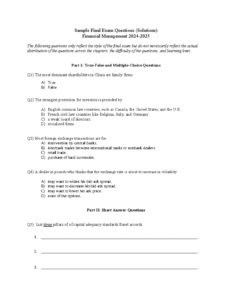
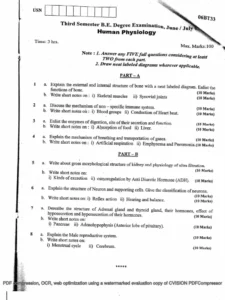
Are you wondering what kind of questions are commonly tested? I asked myself the same thing before I started using past papers. This Bio-policy exam past paper includes questions that reflect real campus exam standards.
The questions prompt me to consider:
-
How do biological issues influence public policy?
-
How do I analyze bio-ethical dilemmas in a policy context?
-
How do I discuss environmental and health policies clearly?
-
How do I evaluate the impact of scientific research on policy formulation?
-
How do I support my arguments with relevant examples?
How Does This Past Paper Help Me Prepare Better for Exams?
Do you struggle to organize your answers during exams? I used to. Practicing with Bio-policy past papers has helped me learn how to structure my responses logically and present arguments more clearly.
This resource helps me:

-
Practice answering essay and structured questions
-
Improve clarity and coherence in my writing
-
Identify key topics examiners focus on
-
Manage my time more effectively during exams
Is This Bio-Policy Past Paper Suitable for Campus Students?
Are you enrolled in a diploma or undergraduate program? I made sure this past paper is suitable for campus students studying Bio-policy or related courses. Whether the exam is part of environmental studies, health sciences, or policy studies, this resource remains highly relevant.
Why Should I Download This Bio-Policy Exam Past Paper?
Have you ever downloaded a past paper only to realize it didn’t match your course outline? I understand that frustration. This Bio-policy exam past paper aligns closely with common campus syllabi and exam expectations.
What makes this past paper useful for me?
-
Realistic exam-style questions
-
Clear and relevant policy-based scenarios
-
Coverage of key Bio-policy topics
-
Easy access and download format
How Do I Use This Past Paper During Revision?
Are you unsure how to revise effectively for Bio-policy? I usually attempt the questions first without checking my notes. Afterward, I compare my responses with lecture materials and refine my arguments. This approach has helped me think more critically and write stronger answers.
Where Can I Download the Bio-Policy Exam Past Paper?
Are you ready to strengthen your Bio-policy exam preparation? You can download the Bio-policy Exam Past Paper for Campus Students directly from this page and begin revising with confidence.
I believe that consistent practice with well-structured past papers is one of the most effective ways to succeed in Bio-policy exams.
Back to Mpya News Home page: Education, Fashion, Law, business and sports
Last updated on: December 13, 2025
New information gained / new value takehome
- Have you ever read through your Bio-policy notes and still felt unsure about how to apply them in an exam?
- Realistic exam-style questions Clear and relevant policy-based scenarios Coverage of key Bio-policy topics Easy access and download format How Do I Use This Past Paper During Revision?
- I usually attempt the questions first without checking my notes.
This content was developed using AI as part of our research process. To ensure absolute accuracy, all information has been rigorously fact-checked and validated by our human editor, Alex Munene.