What topics are covered in the Animal Behaviour exam?
The Animal Behaviour exam typically addresses a variety of key topics essential for understanding the principles and mechanics of animal behavior. Key areas include:
Download Link
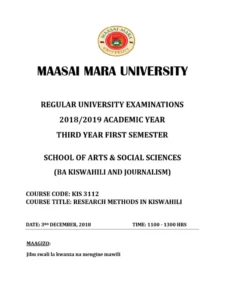
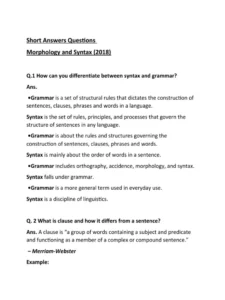
Animal-Behaviour-Exam-Past-Paper-Mpya-News
- Foundations of Animal Behaviour: Examination of the basic concepts and definitions related to animal behavior, including behavior types and the role of evolution.
- Ethology: Study of animal behavior in natural settings, focusing on instinctive and learned behaviors.
- Communication: Discussion of communication methods among animals, including vocalizations, body language, and chemical signals.
- Social Behaviour: Exploration of social structures in animal groups, including mating systems, hierarchy, and cooperation.
- Foraging and Feeding Behaviour: Analysis of how animals acquire food, including strategies and adaptations for foraging.
- Parental Care and Reproductive Strategies: Overview of parental investment, reproductive behaviors, and strategies for offspring survival.
Why are past exam papers important for studying this subject?
Past exam papers are essential for several reasons:
- Familiarization with Exam Format: They help you understand the structure of the exam, including types of questions and expectations.
- Identifying Key Themes: Analyzing past papers can reveal frequently addressed topics and trends in animal behaviour, guiding your study priorities.
- Practice Application: They provide opportunities to apply theoretical knowledge to practical questions related to animal behavior.
- Confidence Building: Working through past questions can boost your confidence and reduce anxiety as you prepare for the exam.
Where can I find past exam papers for this subject?
You can access past exam papers through various resources:
- University Websites: Many universities maintain repositories of past papers available for student access.
- Biology or Animal Behaviour Departments: Check with your department for archives of previous exams and course materials.
- Online Educational Platforms: Websites focusing on biology or animal behaviour education may also provide access to past exam papers.
- Study Groups: Collaborating with peers can provide access to shared resources, including past papers.
What key topics should I focus on when studying?
When preparing for the exam, concentrate on the following key areas:
- Behavioral Theories: Familiarize yourself with major theories of animal behavior, including natural selection and evolutionary psychology.
- Observational Techniques: Understand the methods used to study animal behavior in both natural and controlled environments.
- Communication Systems: Study the different ways animals communicate and the significance of these behaviors.
- Social Dynamics: Learn about social structures, including dominance hierarchies and cooperative behaviors.
How can I effectively use past exam papers in my studies?
To maximize the benefits of past exam papers, consider these strategies:
- Timed Practice: Simulate exam conditions by timing yourself while answering past questions to improve time management.
- Review and Reflection: After completing a past paper, critically review your answers to identify strengths and areas for improvement.
- Discussion with Peers: Engage in discussions with classmates or instructors to clarify doubts and gain different perspectives on animal behaviour concepts.
- Create Study Guides: Compile common questions from past papers into study guides for quick reference and revision.
Is understanding animal behaviour important for students?
Yes, understanding animal behaviour is crucial for several reasons:
- Ecological Insight: It provides insights into the interactions among species and their environments, contributing to ecological studies.
- Conservation Efforts: Knowledge of animal behavior is essential for effective conservation strategies and wildlife management.
- Career Opportunities: Mastery of these topics opens doors to careers in research, veterinary science, animal training, and conservation.
Should I prioritize theory or practical application in my studies?
Both theoretical knowledge and practical application are essential:
- Theoretical Knowledge: A solid understanding of behavioral principles provides a framework for effective application in research and field studies.
- Practical Application: Engaging in observational studies and experiments enhances your ability to apply theoretical concepts. Aim for a balanced approach in your studies.
Can studying past papers alone prepare me for the exam?
While past papers are a valuable resource, they should be complemented with broader reading and engagement with course materials. Explore textbooks, educational resources, and relevant literature on animal behaviour for a well-rounded understanding of the subject. This comprehensive approach will optimize your exam preparation.
Back to Mpya News Home page: Education, Fashion, Law, business and sports

Last updated on: November 7, 2025
New information gained / new value takehome
- The Animal Behaviour exam typically addresses a variety of key topics essential for understanding the principles and mechanics of animal behavior.
- Why are past exam papers important for studying this subject?
- Identifying Key Themes: Analyzing past papers can reveal frequently addressed topics and trends in animal behaviour, guiding your study priorities.
- What key topics should I focus on when studying?
- To maximize the benefits of past exam papers, consider these strategies: Timed Practice: Simulate exam conditions by timing yourself while answering past questions to improve time management.
- Is understanding animal behaviour important for students?
- Conservation Efforts: Knowledge of animal behavior is essential for effective conservation strategies and wildlife management.
This content was developed using AI as part of our research process. To ensure absolute accuracy, all information has been rigorously fact-checked and validated by our human editor, mpyanews.