Looking for the Exercise Physiology SLR305 past paper? Discover important exercise physiology topics, common exam questions, revision tips, and effective ways to prepare for the SLR305 examination.

Are you preparing for the Exercise Physiology SLR305 exam and looking for a useful way to revise? The SLR305 Exercise Physiology past paper can be an excellent resource for testing your knowledge and understanding of how the human body responds to physical activity and exercise.

Past papers are particularly useful because they allow students to practise answering questions under examination conditions. They can also help you identify important topics and understand how exercise physiology concepts are applied in academic and sporting contexts.

Kenyatta University’s past-paper repository lists an Exercise Physiology SLR305 paper from 2008, making the paper a potentially useful historical revision resource for students studying the course.

So, what should you revise before attempting the paper? Let’s explore the most important areas through some common student questions.

BELOW IS THE PAST PAPER DOWNLOAD LINK


ABOVE IS THE PAST PAPER DOWNLOAD LINK 

What Is the Exercise Physiology SLR305 Past Paper?

Why should I use the SLR305 past paper?

The Exercise Physiology SLR305 past paper provides an opportunity to practise questions related to exercise, physical performance and physiological responses.

Instead of simply reading your lecture notes, you can use the paper to test whether you can remember and explain important concepts.

Past papers can help you:

Can the SLR305 past paper predict my examination questions?

No. Students should not assume that questions from an old examination will be repeated exactly.

Instead, use the paper as a revision and practice tool. Concentrate on understanding the concepts behind the questions so that you can answer variations of similar questions.
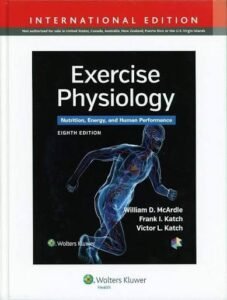
 EXERCISE PHYSIOLOGY SLR305

What Topics Should I Revise for Exercise Physiology SLR305?

Which Exercise Physiology topics are important?

Exercise physiology examines how the body’s systems respond to physical activity. Key areas commonly associated with the subject include cardiovascular responses, respiratory responses, energy production, muscular function, training adaptations and exercise performance.

Cardiovascular Responses to Exercise

Do you know what happens to the cardiovascular system when you start exercising?

Heart rate, stroke volume and cardiac output change as the body attempts to deliver sufficient oxygen and nutrients to working muscles.

Make sure you understand cardiac output, heart rate, stroke volume, blood pressure and blood flow during exercise.

Respiratory Responses to Exercise

Another important area is the respiratory system.

Revise pulmonary ventilation, oxygen uptake, carbon dioxide removal, gas exchange and the relationship between breathing and exercise intensity.

Understanding how the respiratory system responds to exercise can help you answer questions requiring explanations rather than simple definitions.

What Are Energy Systems in Exercise Physiology?

Why are energy systems important?

Every physical activity requires energy. The body uses different energy pathways depending on the intensity and duration of exercise.

The three major energy systems to revise are:

The ATP-PC system provides rapid energy for short, high-intensity activities, while aerobic metabolism becomes increasingly important during prolonged activities.

What should I know about ATP and exercise?

ATP, or adenosine triphosphate, is the immediate energy currency used by cells. Because muscles have limited stored ATP, the body must continually regenerate ATP during exercise.

Understanding how ATP is produced and used is fundamental to Exercise Physiology exam preparation.

What Should I Know About Muscles and Exercise?

Why is muscle physiology important?

Skeletal muscles are responsible for producing movement, making muscular physiology an important area of exercise science.

Students should revise muscle contraction, muscle fibre types, muscular strength, muscular endurance and adaptations resulting from exercise training.

What is muscle fatigue?

Muscle fatigue refers to a decline in the ability of a muscle or muscle group to produce the required force or maintain a particular level of performance.

When revising fatigue, consider factors such as energy availability, metabolic changes, neural factors and exercise intensity.

What Is VO₂ Max and Why Should I Revise It?

Why is VO₂ max important in Exercise Physiology?

VO₂ max refers to the maximum rate at which the body can take in, transport and use oxygen during intense exercise.

It is an important measure of aerobic fitness and endurance capacity.

When revising VO₂ max, understand its relationship with aerobic performance and cardiovascular fitness.

What other fitness concepts should I study?

Also revise:

These concepts can help you understand how physiological responses change as exercise demands increase.

How Does Exercise Training Affect the Body?

What are training adaptations?

Regular exercise can produce physiological adaptations that improve performance and exercise capacity.

For example, endurance training can improve cardiovascular efficiency and aerobic capacity, while resistance training can contribute to improvements in muscular strength and performance.

What is the difference between acute and chronic responses?

An acute response is what happens during or immediately after exercise—for example, an increase in heart rate.

A chronic adaptation develops over time as the body responds to repeated training.

Understanding this difference is particularly useful when answering longer Exercise Physiology SLR305 questions.

How Should I Attempt the SLR305 Past Paper?

Should I answer the questions under timed conditions?

Yes. Once you have revised the major topics, try completing the paper without using your notes.

Set a realistic time limit and treat it as a mock examination.

After completing it, review your answers and identify the topics where you had difficulty.

What should I do when I get an answer wrong?

Don’t simply memorise the correct answer.

Find out why you got it wrong. Was the concept unclear? Did you misunderstand the question? Did you forget an important physiological process?

Return to your notes, revise the topic and attempt a similar question.

What Are the Benefits of Using Exercise Physiology Past Papers?

Can past papers improve my exam performance?

They can make revision more focused and practical.

Regularly practising Exercise Physiology past papers can help you:

Back to Mpya News Home page: Education, Fashion, Law, business and sports

Last updated on: August 31, 2026

New information gained / new value takehome

  • Discover important exercise physiology topics, common exam questions, revision tips, and effective ways to prepare for the SLR305 examination.
  • Past papers are particularly useful because they allow students to practise answering questions under examination conditions.
  • They can also help you identify important topics and understand how exercise physiology concepts are applied in academic and sporting contexts.
  • Let’s explore the most important areas through some common student questions.
  • Instead of simply reading your lecture notes, you can use the paper to test whether you can remember and explain important concepts.
  • Which Exercise Physiology topics are important?
  • Key areas commonly associated with the subject include cardiovascular responses, respiratory responses, energy production, muscular function, training adaptations and exercise performance.
  • Respiratory Responses to Exercise Another important area is the respiratory system.
  • Because muscles have limited stored ATP, the body must continually regenerate ATP during exercise.
  • Skeletal muscles are responsible for producing movement, making muscular physiology an important area of exercise science.
Verified Content

This content was developed using AI as part of our research process. To ensure absolute accuracy, all information has been rigorously fact-checked and validated by our human editor, Collins Murithi.

External resource 1: Google Scholar Academic Papers

External resource 2: Khan Academy Test Prep

Reference 1: KNEC National Examinations

Reference 2: JSTOR Academic Archive

Reference 3: Shulefiti Revision Materials


Photo credit: instagram.com

About

Digital entrepreneur and content specialist at MPYA News, focused on delivering high-quality insights and resources.

Latest Posts

Download Past Paper On Educational Communication and Information Technology For Revision

Educational Communication and Information Technology is an important subject for...

Educational Communication and Information Technology is an essential subject for students pursuing education and teaching-related courses. It explores how communication skills, instructional resources, and modern technologies contribute to effective teaching and learning. Students preparing for examinations can use Educational Communication and Information Technology past papers alongside lecture notes, textbooks, and revision questions to strengthen their understanding. What is Educational Communication and Information Technology? Educational Communication and Information Technology refers to the application of communication principles and technological tools in educational settings. It helps teachers deliver information effectively and enables learners to access, process, and share knowledge through different channels. The subject includes communication processes, instructional media, computer applications, internet services, multimedia, e-learning, and digital educational resources. Why are Educational Communication and Information Technology past papers important? Past papers help students practise answering examination questions and become familiar with different question formats. They can also help learners identify areas that need more revision and improve their ability to manage examination time. Practising Educational Communication and Information Technology past exam papers alongside course notes can make preparation more organised. Which topics should students revise? Students should revise the main topics covered in their syllabus. These may include: Meaning and importance of communication in education Elements and models of communication Barriers to effective communication Verbal and non-verbal communication Instructional media and teaching aids Computer applications in education Internet services and digital learning resources Multimedia and e-learning Educational broadcasting Advantages and challenges of educational technology These topics provide a useful starting point for Educational Communication and Information Technology revision questions. What is the communication process? The communication process involves the exchange of information between a sender and a receiver. The sender develops a message, selects a channel, and transmits the information. The receiver interprets the message and may provide feedback. In a classroom, for example, a teacher explains a concept, learners listen and interpret the information, and their questions or responses provide feedback. What are the main elements of communication? The main elements include the sender, message, encoding, channel, receiver, decoding, feedback, and context. Noise can interfere with the process and affect understanding. Students should know the functions of these elements because they are useful when answering Educational Communication and Information Technology exam questions. What is the difference between verbal and non-verbal communication? Verbal communication uses spoken or written words to convey information. Examples include classroom discussions, lectures, textbooks, and written instructions. Non-verbal communication involves conveying meaning through gestures, facial expressions, posture, eye contact, and other visual signals. Teachers often use both forms to explain concepts and interact with learners. What are the barriers to effective communication? Communication barriers are factors that prevent a message from being transmitted or understood clearly. Examples include language differences, poor listening, unclear explanations, excessive classroom noise, cultural differences, and technical difficulties. Teachers can reduce these barriers by using clear language, encouraging questions, choosing suitable communication channels, and checking learners’ understanding. What is instructional media? Instructional media refers to materials and resources used to support teaching and learning. Examples include charts, diagrams, maps, models, photographs, audio recordings, videos, projectors, and computers. The appropriate teaching aid depends on the lesson objectives, subject content, learners’ needs, and available resources. How does information technology support education? Information technology supports education by helping users create, store, process, retrieve, and share information. Computers, mobile devices, digital platforms, and internet services can support research, classroom teaching, communication, assessment, and access to learning materials. However, effective use requires suitable resources, digital skills, and appropriate planning. What is e-learning? E-learning is the delivery or support of learning through electronic and digital technologies. It may involve virtual classrooms, online lessons, learning management systems, electronic textbooks, recorded lectures, and online assignments. Students preparing Educational Communication and Information Technology questions and answers should understand the meaning, benefits, and limitations of e-learning. What are the advantages and disadvantages of educational technology? Educational technology can improve access to information, support interactive lessons, encourage collaboration, and provide flexible learning opportunities. It can also help teachers present complex concepts through images, audio, and video. Possible disadvantages include high equipment costs, unreliable internet connections, unequal access to devices, technical problems, and distractions. Students should be able to discuss both benefits and challenges. How can students use past papers effectively? Students should attempt Educational Communication and Information Technology past papers before looking at their notes. After completing a paper, they can review mistakes, revisit difficult topics, and practise similar questions. Searching for Educational Communication and Information Technology past papers PDF can help students locate additional revision resources through authorised educational sources. How should students answer examination questions? Students should read each question carefully and identify the instruction. Words such as “define,” “explain,” “discuss,” “outline,” and “compare” require different responses. For essay questions, students should introduce the topic, explain each main point clearly, provide relevant examples where appropriate, and finish with a conclusion. Conclusion Preparing with Educational Communication and Information Technology past papers, exam questions, revision notes, and textbooks can help students develop a better understanding of the subject. Consistent revision and timed practice can improve knowledge, answer organisation, and examination skills.Educational Communication and Information Technology is an essential subject for students pursuing education and teaching-related courses. It explores how communication skills, instructional resources, and modern technologies contribute to effective teaching and learning. Students preparing for examinations can use Educational Communication and Information Technology past papers alongside lecture notes, textbooks, and revision questions to strengthen their understanding. What is Educational Communication and Information Technology? Educational Communication and Information Technology refers to the application of communication principles and technological tools in educational settings. It helps teachers deliver information effectively and enables learners to access, process, and share knowledge through different channels. The subject includes communication processes, instructional media, computer applications, internet services, multimedia, e-learning, and digital educational resources. Why are Educational Communication and Information Technology past papers important? Past papers help students practise answering examination questions and become familiar with different question formats. They can also help learners identify areas that need more revision and improve their ability to manage examination time. Practising Educational Communication and Information Technology past exam papers alongside course notes can make preparation more organised. Which topics should students revise? Students should revise the main topics covered in their syllabus. These may include: Meaning and importance of communication in education Elements and models of communication Barriers to effective communication Verbal and non-verbal communication Instructional media and teaching aids Computer applications in education Internet services and digital learning resources Multimedia and e-learning Educational broadcasting Advantages and challenges of educational technology These topics provide a useful starting point for Educational Communication and Information Technology revision questions. What is the communication process? The communication process involves the exchange of information between a sender and a receiver. The sender develops a message, selects a channel, and transmits the information. The receiver interprets the message and may provide feedback. In a classroom, for example, a teacher explains a concept, learners listen and interpret the information, and their questions or responses provide feedback. What are the main elements of communication? The main elements include the sender, message, encoding, channel, receiver, decoding, feedback, and context. Noise can interfere with the process and affect understanding. Students should know the functions of these elements because they are useful when answering Educational Communication and Information Technology exam questions. What is the difference between verbal and non-verbal communication? Verbal communication uses spoken or written words to convey information. Examples include classroom discussions, lectures, textbooks, and written instructions. Non-verbal communication involves conveying meaning through gestures, facial expressions, posture, eye contact, and other visual signals. Teachers often use both forms to explain concepts and interact with learners. What are the barriers to effective communication? Communication barriers are factors that prevent a message from being transmitted or understood clearly. Examples include language differences, poor listening, unclear explanations, excessive classroom noise, cultural differences, and technical difficulties. Teachers can reduce these barriers by using clear language, encouraging questions, choosing suitable communication channels, and checking learners’ understanding. What is instructional media? Instructional media refers to materials and resources used to support teaching and learning. Examples include charts, diagrams, maps, models, photographs, audio recordings, videos, projectors, and computers. The appropriate teaching aid depends on the lesson objectives, subject content, learners’ needs, and available resources. How does information technology support education? Information technology supports education by helping users create, store, process, retrieve, and share information. Computers, mobile devices, digital platforms, and internet services can support research, classroom teaching, communication, assessment, and access to learning materials. However, effective use requires suitable resources, digital skills, and appropriate planning. What is e-learning? E-learning is the delivery or support of learning through electronic and digital technologies. It may involve virtual classrooms, online lessons, learning management systems, electronic textbooks, recorded lectures, and online assignments. Students preparing Educational Communication and Information Technology questions and answers should understand the meaning, benefits, and limitations of e-learning. What are the advantages and disadvantages of educational technology? Educational technology can improve access to information, support interactive lessons, encourage collaboration, and provide flexible learning opportunities. It can also help teachers present complex concepts through images, audio, and video. Possible disadvantages include high equipment costs, unreliable internet connections, unequal access to devices, technical problems, and distractions. Students should be able to discuss both benefits and challenges. How can students use past papers effectively? Students should attempt Educational Communication and Information Technology past papers before looking at their notes. After completing a paper, they can review mistakes, revisit difficult topics, and practise similar questions. Searching for Educational Communication and Information Technology past papers PDF can help students locate additional revision resources through authorised educational sources. How should students answer examination questions? Students should read each question carefully and identify the instruction. Words such as “define,” “explain,” “discuss,” “outline,” and “compare” require different responses. For essay questions, students should introduce the topic, explain each main point clearly, provide relevant examples where appropriate, and finish with a conclusion. Conclusion Preparing with Educational Communication and Information Technology past papers, exam questions, revision notes, and textbooks can help students develop

Educational Communication and Information Technology is an important subject for...

Download Past Paper On Introduction to the Study of Language For Revision

Are you looking for Introduction to the Study of Language...

images 35 Download Past Paper On Studies in African Diaspora and Pan-Africanism for Revision

Download Past Paper On Studies in African Diaspora and Pan-Africanism for Revision

Are you looking for Studies in African Diaspora and Pan-Africanism...