Looking for the Human Physiology SLR202 past paper? Discover important SLR202 topics, common Human Physiology exam questions, revision tips, and effective strategies to prepare for your examination.
Are you searching for the Human Physiology SLR202 past paper to help with your exam preparation? Whether you are revising for an upcoming test or looking for additional study materials, past examination papers can be a valuable way to test your knowledge and improve your confidence.
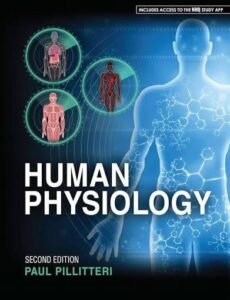
Human Physiology focuses on how the different systems of the human body function and work together to maintain life. Topics can range from cells and tissues to the nervous, cardiovascular, respiratory, digestive, renal and endocrine systems.
But how should you use an SLR202 past paper effectively? What topics should you revise first? And what types of questions should you expect? Let’s explore these questions below.
BELOW IS THE PAST PAPER DOWNLOAD LINK
ABOVE IS THE PAST PAPER DOWNLOAD LINK
What Is the Human Physiology SLR202 Past Paper?
Why should I download the SLR202 past paper?
The SLR202 Human Physiology past paper provides students with an opportunity to practise examination-style questions before their actual assessment.
Instead of simply reading through lecture notes, you can use the paper to test your ability to recall information, explain physiological processes and apply what you have learned.
Past papers can help you:
- Understand the style of examination questions
- Identify important Human Physiology topics
- Practise answering questions within a time limit
- Discover areas that require additional revision
- Improve your confidence
- Develop better examination techniques
Can the past paper tell me exactly what will appear in the exam?
No. A past paper should be used as a revision resource, not as a guarantee of future examination questions.
The wording and topics may change from one examination to another. The best strategy is to understand the concepts tested in the paper and revise the wider syllabus.
Which Human Physiology Topics Should I Revise?
What are the major areas of Human Physiology?
Because Human Physiology covers many body systems, students should create a structured revision plan.
Cardiovascular System
Do you understand how the heart circulates blood around the body?
Important areas include the structure of the heart, cardiac cycle, heart rate, stroke volume, cardiac output, blood pressure and regulation of circulation.
You should also understand how blood transports oxygen, nutrients, hormones and waste products.
Respiratory System
The respiratory system supplies the body with oxygen and removes carbon dioxide.
For SLR202 revision, focus on pulmonary ventilation, gas exchange, lung volumes, oxygen transport and the regulation of breathing.
Try explaining these processes in your own words rather than memorising isolated definitions.
Why Is the Nervous System Important?
What should I know about nervous system physiology?
The nervous system allows the body to receive information, process it and respond appropriately.
Key topics include:
- Neurons
- Nerve impulses
- Synapses
- Sensory receptors
- Central nervous system
- Peripheral nervous system
- Reflex actions
Understanding how nerve impulses travel and how neurons communicate can help you answer both short-answer and essay-style questions.
What is the autonomic nervous system?
The autonomic nervous system controls many involuntary activities.
Students should understand the roles of the sympathetic and parasympathetic divisions and how they influence organs such as the heart and digestive tract.
What Is Homeostasis in Human Physiology?
Why is homeostasis important?
Homeostasis is the maintenance of a relatively stable internal environment despite changes inside or outside the body.
Examples include the regulation of:
- Body temperature
- Blood glucose
- Blood pressure
- Water balance
- Electrolyte levels
- Blood pH
Homeostasis is a fundamental Human Physiology topic because several body systems work together to maintain appropriate internal conditions.
How should I answer a homeostasis question?
A strong answer should explain the regulated variable, the change detected, the control mechanism and the response that returns the variable toward its normal range.
Where appropriate, include concepts such as receptors, control centres, effectors and negative policy-page-at-mpya-news/" title="Feedback">feedback.
What Should I Know About Endocrine Physiology?
What does the endocrine system do?
The endocrine system regulates body functions through hormones released into the bloodstream.

When revising endocrine physiology, pay attention to major glands and their hormones, including the pituitary gland, thyroid gland, adrenal glands and pancreas.
You should understand how hormones affect target organs and how feedback mechanisms help control hormone levels.
Why is insulin important?
Insulin plays an important role in regulating blood glucose concentration. Understanding insulin and glucagon is useful when studying blood glucose homeostasis and endocrine physiology.
What Should I Revise in Renal Physiology?
What are the main functions of the kidneys?
The kidneys help remove metabolic waste and regulate water, electrolytes and acid-base balance.
For the Human Physiology SLR202 exam, revise:
- Structure of the nephron
- Glomerular filtration
- Tubular reabsorption
- Tubular secretion
- Urine formation
- Regulation of water balance
- Electrolyte regulation
Understanding the relationship between nephron structure and function can make renal physiology questions easier to answer.
What Are the Important Topics in Digestive Physiology?
How does digestion occur?
Digestion involves the mechanical and chemical breakdown of food into substances that can be absorbed and used by the body.
Revise the functions of the mouth, stomach, small intestine, large intestine, liver and pancreas.
You should also understand the digestion and absorption of carbohydrates, proteins and fats.
How Should I Use the SLR202 Past Paper?
Should I attempt it before revising?
One useful strategy is to attempt some or all of the paper before your final revision.
Don’t worry if you cannot answer every question. Your performance will show you which topics need more attention.
Afterwards, revise your weak areas and attempt the questions again.
Should I practise under timed conditions?
Yes. Once you are familiar with the material, complete the SLR202 past paper under examination conditions.
Avoid using your notes, set a realistic time limit and try to answer each question carefully.
This can help improve both speed and confidence.

What Should I Do After Completing the Past Paper?
How can I learn from my mistakes?
Don’t simply check whether an answer is right or wrong.
For every mistake, identify the underlying topic. If you struggled with cardiac output, revise cardiovascular physiology. If you could not explain a reflex arc, revise nervous system physiology.
Create a list of weak areas and use it to guide your next revision session.
What Are the Benefits of Using Human Physiology Past Papers?
Can past papers improve my exam performance?
They can make your revision more active and focused.
Regular practice can help you:
- Improve recall
- Understand examination terminology
- Practise explaining physiological processes
- Identify knowledge gaps
- Improve time management
- Build examination confidence
The most important benefit is that past papers help you move from simply reading information to actively using it.
What Is the Best SLR202 Revision Strategy?
Should I memorise everything?
Human Physiology contains many facts, but understanding is more valuable than memorising isolated information.
For example, instead of memorising that heart rate increases during exercise, understand how the cardiovascular system responds to increased oxygen and energy demands.
Connect different systems together and ask yourself why a physiological response occurs.
How can I make my revision easier?
Break your revision into manageable sections. Study one body system at a time, use diagrams to understand processes, practise short-answer questions and regularly attempt past papers.
Back to Mpya News Home page: Education, Fashion, Law, business and sports
Last updated on: September 2, 2026
New information gained / new value takehome
- Discover important SLR202 topics, common Human Physiology exam questions, revision tips, and effective strategies to prepare for your examination.
- Instead of simply reading through lecture notes, you can use the paper to test your ability to recall information, explain physiological processes and apply what you have learned.
- Because Human Physiology covers many body systems, students should create a structured revision plan.
- Important areas include the structure of the heart, cardiac cycle, heart rate, stroke volume, cardiac output, blood pressure and regulation of circulation.
- Insulin plays an important role in regulating blood glucose concentration.
- What Are the Important Topics in Digestive Physiology?
- Avoid using your notes, set a realistic time limit and try to answer each question carefully.
- What Are the Benefits of Using Human Physiology Past Papers?
This content was developed using AI as part of our research process. To ensure absolute accuracy, all information has been rigorously fact-checked and validated by our human editor, Collins Murithi.
External resource 1: Google Scholar Academic Papers
External resource 2: Khan Academy Test Prep
Reference 1: KNEC National Examinations
Reference 2: JSTOR Academic Archive
Reference 3: Shulefiti Revision Materials
Photo credit: instagram.com
