Kujua lugha ya Kiswahili fasaha ni jambo moja, lakini kumfanya mwanafunzi wa kidato cha kwanza aelewe tofauti kati ya “vivumishi” na “viwakilishi” ni sanaa tofauti kabisa. Kama mwalimu mtarajiwa, kitengo cha Mbinu za Kufunza Kiswahili ndicho kiunganishi kati ya maarifa yako ya lugha na darasa halisi. Ni hapa unapoamua kama utatumia mbinu ya “mhadhara” au mbinu ya “ekitigizo” kufikisha ujumbe.

Below is the exam paper download link

Past Paper On Mbinu Za Kufunza Kiswahili For Revision

Above is the exam paper download link

Hata hivyo, mitihani ya ualimu mara nyingi huwa na changamoto kwa sababu haitathmini tu kile unachokijua, bali jinsi utakavyokifundisha. Njia bora ya kujinoa ni kupitia “past papers.” Zinakusaidia kuona mifumo ya maswali ambayo hutokea mara kwa mara na jinsi ya kuandaa maandalizi ya somo (lesson plans) yanayofuata vigezo vya mtihani.

Ili kukusaidia kuanza marekebisho yako, tumeandaa maswali na majibu machache muhimu, yakifuatiwa na kiungo cha kupakua karatasi kamili ya marekebisho.


Chemsha Bongo: Maswali na Majibu ya Mbinu za Kiswahili

S1: Kuna tofauti gani kati ya mbinu ya “Uingizaji” (Inductive) na mbinu ya “Utoaji” (Deductive) katika kufunza sarufi?

J: Hili ni swali ambalo huonekana karibu kila mwaka.

S2: Taja na ueleze hatua tatu muhimu za kufundisha Somo la Kusikiliza na Kuzungumza.

J: Ili somo hili lifanikiwe, mwalimu anapaswa kufuata hatua hizi:

  1. Hatua ya Utangulizi (Kabla ya kusikiliza): Kumtayarisha mwanafunzi kwa kumweleza mada na kumpa msamiati muhimu utakaotumika.

  2. Hatua ya Uwasilishaji (Wakati wa kusikiliza): Mwalimu kusoma kifungu au kucheza kanda huku wanafunzi wakitekeleza majukumu fulani, kama kujaza mapengo.

  3. Hatua ya Hitimisho (Baada ya kusikiliza): Wanafunzi kujibu maswali ya ufahamu au kujadiliana kuhusu yale waliyoyasikia.

S3: Ni vigezo gani mwalimu anapaswa kuzingatia anapoteua “Zana za Kufundishia” (Instructional Media)?

J: Zana si lazima ziwe za kiteknolojia. Mwalimu anapaswa kuzingatia:

S4: Kwa nini “Uigizaji” (Dramatization) ni mbinu muhimu katika kufundisha Fasihi Simulizi?

J: Fasihi simulizi ni sanaa inayohitaji utendaji. Kupitia uigizaji, mwanafunzi anapata fursa ya kuhisi hisia za wahusika, kuelewa matumizi ya vilingo (body language) na toni ya sauti. Hii inasaidia kubadilisha dhana dhahania kuwa kitu halisi kinachoonekana.


Kwa Nini Upakue Past Paper Hii?

Katika mtihani wa Mbinu za Kiswahili, utapata maswali yanayokutaka “Kuandaa Azimio la Kazi” (Scheme of Work) au “Andalio la Somo” (Lesson Plan). Huwezi kufanya hivi kwa kubahatisha. Pakua karatasi hii ili:

  1. Kujifunza Muundo: Uelewe jinsi ya kupanga nguzo za andalio la somo: Lengo, Shughuli za Mwalimu, Shughuli za Mwanafunzi, na Tathmini.

  2. Kujua Msamiati wa Kitaalamu: Maneno kama “Unyumbulifu,” “Leksika,” na “Pedagojia” ni muhimu yatumiwe mahali sahihi.

  3. Kupima Muda: Karatasi hizi hukusaidia kujua jinsi ya kugawa muda wako kati ya maswali mafupi na insha ndefu za mbinu.


Pakua Karatasi Yako ya Marekebisho Hapa

Uko tayari kufanya vyema katika mtihani wako wa ualimu? Tumekuwekea mkusanyiko wa maswali ya miaka iliyopita ili uanze mazoezi sasa hivi.

[Pakua: Mbinu za Kufunza Kiswahili – Past Paper PDF]

(Kidokezo: Unapofanya marekebisho, jaribu kuandika andalio la somo la dakika 40 kuhusu mada yoyote ya sarufi. Ukishazoea muundo, mtihani utakuwa mwepesi sana!)
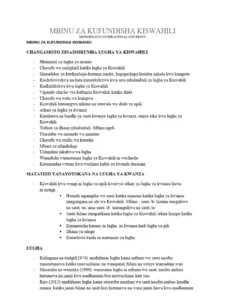
Mbinu Za Kufunza Kiswahili


Mawazo ya Mwisho

Ualimu wa Kiswahili ni dhamana kubwa ya kuendeleza utamaduni na lugha yetu. Kupitia mbinu bora, unaweza kuibua ari ya wanafunzi kupenda lugha adhimu ya Kiswahili. Tumia past paper hii kutambua udhaifu wako na kuuimarisha kabla ya siku ya mtihani.
Back to Mpya News Home page: Education, Fashion, Law, business and sports

Last updated on: January 28, 2026

New information gained / new value takehome

  • Kujua lugha ya Kiswahili fasaha ni jambo moja, lakini kumfanya mwanafunzi wa kidato cha kwanza aelewe tofauti kati ya “vivumishi” na “viwakilishi” ni sanaa tofauti kabisa.
  • Kama mwalimu mtarajiwa, kitengo cha Mbinu za Kufunza Kiswahili ndicho kiunganishi kati ya maarifa yako ya lugha na darasa halisi.
  • Ni hapa unapoamua kama utatumia mbinu ya “mhadhara” au mbinu ya “ekitigizo” kufikisha ujumbe.
  • Below is the exam paper download link Past Paper On Mbinu Za Kufunza Kiswahili For Revision Above is the exam paper download linkRelated Read: Download Past Paper On Business Studies Subject Methods For Revision Hata hivyo, mitihani ya ualimu mara nyingi huwa na changamoto kwa sababu haitathmini tu kile unachokijua, bali jinsi utakavyokifundisha.
  • Njia bora ya kujinoa ni kupitia “past papers.
Verified Content

This content was developed using AI as part of our research process. To ensure absolute accuracy, all information has been rigorously fact-checked and validated by our human editor, Collins Murithi.

About

Digital entrepreneur and content specialist at MPYA News, focused on delivering high-quality insights and resources.

Latest Posts

Download Past Paper On Educational Communication and Information Technology For Revision

Educational Communication and Information Technology is an important subject for...

Educational Communication and Information Technology is an essential subject for students pursuing education and teaching-related courses. It explores how communication skills, instructional resources, and modern technologies contribute to effective teaching and learning. Students preparing for examinations can use Educational Communication and Information Technology past papers alongside lecture notes, textbooks, and revision questions to strengthen their understanding. What is Educational Communication and Information Technology? Educational Communication and Information Technology refers to the application of communication principles and technological tools in educational settings. It helps teachers deliver information effectively and enables learners to access, process, and share knowledge through different channels. The subject includes communication processes, instructional media, computer applications, internet services, multimedia, e-learning, and digital educational resources. Why are Educational Communication and Information Technology past papers important? Past papers help students practise answering examination questions and become familiar with different question formats. They can also help learners identify areas that need more revision and improve their ability to manage examination time. Practising Educational Communication and Information Technology past exam papers alongside course notes can make preparation more organised. Which topics should students revise? Students should revise the main topics covered in their syllabus. These may include: Meaning and importance of communication in education Elements and models of communication Barriers to effective communication Verbal and non-verbal communication Instructional media and teaching aids Computer applications in education Internet services and digital learning resources Multimedia and e-learning Educational broadcasting Advantages and challenges of educational technology These topics provide a useful starting point for Educational Communication and Information Technology revision questions. What is the communication process? The communication process involves the exchange of information between a sender and a receiver. The sender develops a message, selects a channel, and transmits the information. The receiver interprets the message and may provide feedback. In a classroom, for example, a teacher explains a concept, learners listen and interpret the information, and their questions or responses provide feedback. What are the main elements of communication? The main elements include the sender, message, encoding, channel, receiver, decoding, feedback, and context. Noise can interfere with the process and affect understanding. Students should know the functions of these elements because they are useful when answering Educational Communication and Information Technology exam questions. What is the difference between verbal and non-verbal communication? Verbal communication uses spoken or written words to convey information. Examples include classroom discussions, lectures, textbooks, and written instructions. Non-verbal communication involves conveying meaning through gestures, facial expressions, posture, eye contact, and other visual signals. Teachers often use both forms to explain concepts and interact with learners. What are the barriers to effective communication? Communication barriers are factors that prevent a message from being transmitted or understood clearly. Examples include language differences, poor listening, unclear explanations, excessive classroom noise, cultural differences, and technical difficulties. Teachers can reduce these barriers by using clear language, encouraging questions, choosing suitable communication channels, and checking learners’ understanding. What is instructional media? Instructional media refers to materials and resources used to support teaching and learning. Examples include charts, diagrams, maps, models, photographs, audio recordings, videos, projectors, and computers. The appropriate teaching aid depends on the lesson objectives, subject content, learners’ needs, and available resources. How does information technology support education? Information technology supports education by helping users create, store, process, retrieve, and share information. Computers, mobile devices, digital platforms, and internet services can support research, classroom teaching, communication, assessment, and access to learning materials. However, effective use requires suitable resources, digital skills, and appropriate planning. What is e-learning? E-learning is the delivery or support of learning through electronic and digital technologies. It may involve virtual classrooms, online lessons, learning management systems, electronic textbooks, recorded lectures, and online assignments. Students preparing Educational Communication and Information Technology questions and answers should understand the meaning, benefits, and limitations of e-learning. What are the advantages and disadvantages of educational technology? Educational technology can improve access to information, support interactive lessons, encourage collaboration, and provide flexible learning opportunities. It can also help teachers present complex concepts through images, audio, and video. Possible disadvantages include high equipment costs, unreliable internet connections, unequal access to devices, technical problems, and distractions. Students should be able to discuss both benefits and challenges. How can students use past papers effectively? Students should attempt Educational Communication and Information Technology past papers before looking at their notes. After completing a paper, they can review mistakes, revisit difficult topics, and practise similar questions. Searching for Educational Communication and Information Technology past papers PDF can help students locate additional revision resources through authorised educational sources. How should students answer examination questions? Students should read each question carefully and identify the instruction. Words such as “define,” “explain,” “discuss,” “outline,” and “compare” require different responses. For essay questions, students should introduce the topic, explain each main point clearly, provide relevant examples where appropriate, and finish with a conclusion. Conclusion Preparing with Educational Communication and Information Technology past papers, exam questions, revision notes, and textbooks can help students develop a better understanding of the subject. Consistent revision and timed practice can improve knowledge, answer organisation, and examination skills.Educational Communication and Information Technology is an essential subject for students pursuing education and teaching-related courses. It explores how communication skills, instructional resources, and modern technologies contribute to effective teaching and learning. Students preparing for examinations can use Educational Communication and Information Technology past papers alongside lecture notes, textbooks, and revision questions to strengthen their understanding. What is Educational Communication and Information Technology? Educational Communication and Information Technology refers to the application of communication principles and technological tools in educational settings. It helps teachers deliver information effectively and enables learners to access, process, and share knowledge through different channels. The subject includes communication processes, instructional media, computer applications, internet services, multimedia, e-learning, and digital educational resources. Why are Educational Communication and Information Technology past papers important? Past papers help students practise answering examination questions and become familiar with different question formats. They can also help learners identify areas that need more revision and improve their ability to manage examination time. Practising Educational Communication and Information Technology past exam papers alongside course notes can make preparation more organised. Which topics should students revise? Students should revise the main topics covered in their syllabus. These may include: Meaning and importance of communication in education Elements and models of communication Barriers to effective communication Verbal and non-verbal communication Instructional media and teaching aids Computer applications in education Internet services and digital learning resources Multimedia and e-learning Educational broadcasting Advantages and challenges of educational technology These topics provide a useful starting point for Educational Communication and Information Technology revision questions. What is the communication process? The communication process involves the exchange of information between a sender and a receiver. The sender develops a message, selects a channel, and transmits the information. The receiver interprets the message and may provide feedback. In a classroom, for example, a teacher explains a concept, learners listen and interpret the information, and their questions or responses provide feedback. What are the main elements of communication? The main elements include the sender, message, encoding, channel, receiver, decoding, feedback, and context. Noise can interfere with the process and affect understanding. Students should know the functions of these elements because they are useful when answering Educational Communication and Information Technology exam questions. What is the difference between verbal and non-verbal communication? Verbal communication uses spoken or written words to convey information. Examples include classroom discussions, lectures, textbooks, and written instructions. Non-verbal communication involves conveying meaning through gestures, facial expressions, posture, eye contact, and other visual signals. Teachers often use both forms to explain concepts and interact with learners. What are the barriers to effective communication? Communication barriers are factors that prevent a message from being transmitted or understood clearly. Examples include language differences, poor listening, unclear explanations, excessive classroom noise, cultural differences, and technical difficulties. Teachers can reduce these barriers by using clear language, encouraging questions, choosing suitable communication channels, and checking learners’ understanding. What is instructional media? Instructional media refers to materials and resources used to support teaching and learning. Examples include charts, diagrams, maps, models, photographs, audio recordings, videos, projectors, and computers. The appropriate teaching aid depends on the lesson objectives, subject content, learners’ needs, and available resources. How does information technology support education? Information technology supports education by helping users create, store, process, retrieve, and share information. Computers, mobile devices, digital platforms, and internet services can support research, classroom teaching, communication, assessment, and access to learning materials. However, effective use requires suitable resources, digital skills, and appropriate planning. What is e-learning? E-learning is the delivery or support of learning through electronic and digital technologies. It may involve virtual classrooms, online lessons, learning management systems, electronic textbooks, recorded lectures, and online assignments. Students preparing Educational Communication and Information Technology questions and answers should understand the meaning, benefits, and limitations of e-learning. What are the advantages and disadvantages of educational technology? Educational technology can improve access to information, support interactive lessons, encourage collaboration, and provide flexible learning opportunities. It can also help teachers present complex concepts through images, audio, and video. Possible disadvantages include high equipment costs, unreliable internet connections, unequal access to devices, technical problems, and distractions. Students should be able to discuss both benefits and challenges. How can students use past papers effectively? Students should attempt Educational Communication and Information Technology past papers before looking at their notes. After completing a paper, they can review mistakes, revisit difficult topics, and practise similar questions. Searching for Educational Communication and Information Technology past papers PDF can help students locate additional revision resources through authorised educational sources. How should students answer examination questions? Students should read each question carefully and identify the instruction. Words such as “define,” “explain,” “discuss,” “outline,” and “compare” require different responses. For essay questions, students should introduce the topic, explain each main point clearly, provide relevant examples where appropriate, and finish with a conclusion. Conclusion Preparing with Educational Communication and Information Technology past papers, exam questions, revision notes, and textbooks can help students develop

Educational Communication and Information Technology is an important subject for...

Download Past Paper On Introduction to the Study of Language For Revision

Are you looking for Introduction to the Study of Language...

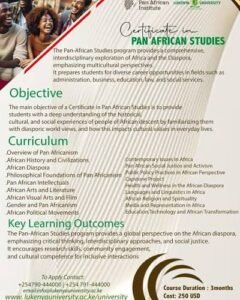
images 35 Download Past Paper On Studies in African Diaspora and Pan-Africanism for Revision

Download Past Paper On Studies in African Diaspora and Pan-Africanism for Revision

Are you looking for Studies in African Diaspora and Pan-Africanism...