JCPenny: In the ever-evolving landscape of retail, JCPenny stands as a stalwart, offering a diverse range of clothing and lifestyle products. However, behind the shelves and aisles stocked with fashionable merchandise lies the question: Who owns JC Penney in 2024? Let’s delve into the ownership structure of this iconic clothing store, while also exploring the latest policy-page-at-mpya-news/" title="Reviews">reviews that shape the consumer narrative.

JCPenny

The Evolution of Ownership: A Brief Overview: JCPenny

JC Penney, founded by James Cash Penney in 1902, has undergone various ownership transitions over the years. In 2020, the company faced financial challenges, leading to a bankruptcy filing. Simon Property Group and Brookfield Asset Management stepped in to acquire JCPenney, saving it from the brink of closure.

As of 2024, the ownership structure may have experienced changes, influenced by market dynamics and strategic decisions. Understanding the current ownership is crucial for consumers seeking insight into the store’s direction, product offerings, and overall customer experience.
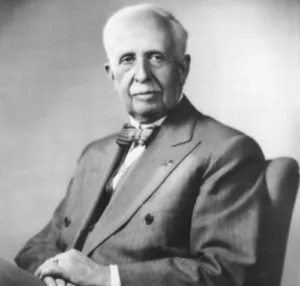
JCPenny owner

2024 Reviews: A Glimpse into Consumer Sentiment

Consumer reviews play a pivotal role in shaping the perception of a brand. In 2024, individuals are expressing their opinions about JC Penney, providing valuable feedback on various aspects of the shopping experience. Here are some key themes emerging from the 2024 reviews:

1. Product Diversity and Quality: JCPenny

Consumers appreciate JC Penney’s commitment to offering a diverse range of clothing and lifestyle products. Positive reviews highlight the quality of merchandise, with customers expressing satisfaction with the durability and style of their purchases.


JCPenny stores

2. Online Shopping Experience

In an era dominated by e-commerce, the online shopping experience is a critical factor. Reviews suggest that JC Penney has made strides in enhancing its digital platform, providing users with a seamless and user-friendly interface. Shoppers appreciate the convenience of online browsing and ordering.

3. In-Store Atmosphere and Service: JCPenny

For those who prefer the traditional in-store shopping experience, JC Penney’s commitment to creating a welcoming atmosphere is evident. Reviews frequently mention the helpful and friendly staff, contributing to a positive shopping environment.

4. Sales and Promotions

JC Penney has long been known for its sales and promotions, and 2024 reviews indicate that customers continue to value the affordability and discounts offered by the store. Frequent sales events and promotions contribute to a sense of value for money.

5. Post-Acquisition Changes: JCPenny

Given the change in ownership in recent years, some reviews touch upon any noticeable alterations in JC Penney’s approach, whether in terms of store layout, product selection, or pricing strategies. Understanding these changes can provide consumers with insights into the brand’s evolution.

Navigating the JC Penney Experience in 2024

As consumers continue to navigate the retail landscape, understanding the ownership of JCPenney becomes paramount. In 2024, the store will maintain its legacy of providing quality clothing and a diverse product range. The reviews, acting as the voice of the consumer, shed light on the strengths and areas for improvement, contributing to the ongoing narrative of JC Penney’s place in the retail industry.

As the brand adapts to changing consumer preferences, staying informed about ownership and heeding customer reviews remains essential for those seeking a satisfying shopping experience at JC Penney.

PHOTO CREDIT

WRITTEN BY COLLINS

OTHER ARTICLES OF THE DAY

FAQs and answers

1. Who Owns JCPenney in 2025?

As of 2025, JCPenney is owned by Simon Property Group and Brookfield Asset Management, who acquired the company in 2020 after it filed for bankruptcy. They continue to manage and operate the brand through their retail division.
Source

2. Is JCPenney Still in Business in 2025?

Yes, JCPenney is still in business in 2025, operating both online and in physical stores across the United States. The company has undergone restructuring to improve its financial stability.
Source

3. How Many JCPenney Stores Are There in 2025?

As of 2025, JCPenney operates approximately 650 stores across the U.S., a reduction from previous years due to restructuring efforts.
Source

4. What Brands Does JCPenney Sell in 2025?

JCPenney sells a mix of private-label brands like St. John’s Bay, Arizona, and Stafford, as well as national brands such as Levi’s, Nike, and Adidas.
Source

5. What Are Customers Saying About JCPenney in 2025?

Customer reviews in 2025 indicate that JCPenney is improving in customer service, product variety, and online shopping experience. However, some shoppers express concerns over store closures and inventory availability.
Source

6. Is JCPenney’s Financial Condition Stable in 2025?

JCPenney has made progress in stabilizing its finances after bankruptcy by optimizing store operations and focusing on e-commerce sales.
Source

7. Does JCPenney Have an Online Shopping Platform in 2025?

Yes, JCPenney has an advanced e-commerce platform at www.jcpenney.com, offering nationwide shipping and in-store pickup.
Source

Back to Mpya News Home page: Education, Fashion, Law, business and sports

Last updated on: February 22, 2025

New information gained / new value takehome

  • JCPenny: In the ever-evolving landscape of retail, JCPenny stands as a stalwart, offering a diverse range of clothing and lifestyle products.
  • However, behind the shelves and aisles stocked with fashionable merchandise lies the question: Who owns JC Penney in 2024?
  • Let’s delve into the ownership structure of this iconic clothing store, while also exploring the latest reviews that shape the consumer narrative.
  • The Evolution of Ownership: A Brief Overview: JCPenny JC Penney, founded by James Cash Penney in 1902, has undergone various ownership transitions over the years.
  • In 2020, the company faced financial challenges, leading to a bankruptcy filing.
Verified Content

This content was developed using AI as part of our research process. To ensure absolute accuracy, all information has been rigorously fact-checked and validated by our human editor, Collins Murithi.

External resource 1: BBC World News Coverage

External resource 2: Reuters Global Agency

Reference 1: The New York Times International

Reference 2: Al Jazeera News Updates

Reference 3: Associated Press Official


Photo credit: instagram.com

About

Digital entrepreneur and content specialist at MPYA News, focused on delivering high-quality insights and resources.

Latest Posts

Download Past Past Ujifunzaji wa Lugha ya Pili For Revision

Are you looking for Ujifunzaji wa Lugha ya Pili past...

Download Past Paper On Educational Communication and Information Technology For Revision

Educational Communication and Information Technology is an important subject for...

Educational Communication and Information Technology is an essential subject for students pursuing education and teaching-related courses. It explores how communication skills, instructional resources, and modern technologies contribute to effective teaching and learning. Students preparing for examinations can use Educational Communication and Information Technology past papers alongside lecture notes, textbooks, and revision questions to strengthen their understanding. What is Educational Communication and Information Technology? Educational Communication and Information Technology refers to the application of communication principles and technological tools in educational settings. It helps teachers deliver information effectively and enables learners to access, process, and share knowledge through different channels. The subject includes communication processes, instructional media, computer applications, internet services, multimedia, e-learning, and digital educational resources. Why are Educational Communication and Information Technology past papers important? Past papers help students practise answering examination questions and become familiar with different question formats. They can also help learners identify areas that need more revision and improve their ability to manage examination time. Practising Educational Communication and Information Technology past exam papers alongside course notes can make preparation more organised. Which topics should students revise? Students should revise the main topics covered in their syllabus. These may include: Meaning and importance of communication in education Elements and models of communication Barriers to effective communication Verbal and non-verbal communication Instructional media and teaching aids Computer applications in education Internet services and digital learning resources Multimedia and e-learning Educational broadcasting Advantages and challenges of educational technology These topics provide a useful starting point for Educational Communication and Information Technology revision questions. What is the communication process? The communication process involves the exchange of information between a sender and a receiver. The sender develops a message, selects a channel, and transmits the information. The receiver interprets the message and may provide feedback. In a classroom, for example, a teacher explains a concept, learners listen and interpret the information, and their questions or responses provide feedback. What are the main elements of communication? The main elements include the sender, message, encoding, channel, receiver, decoding, feedback, and context. Noise can interfere with the process and affect understanding. Students should know the functions of these elements because they are useful when answering Educational Communication and Information Technology exam questions. What is the difference between verbal and non-verbal communication? Verbal communication uses spoken or written words to convey information. Examples include classroom discussions, lectures, textbooks, and written instructions. Non-verbal communication involves conveying meaning through gestures, facial expressions, posture, eye contact, and other visual signals. Teachers often use both forms to explain concepts and interact with learners. What are the barriers to effective communication? Communication barriers are factors that prevent a message from being transmitted or understood clearly. Examples include language differences, poor listening, unclear explanations, excessive classroom noise, cultural differences, and technical difficulties. Teachers can reduce these barriers by using clear language, encouraging questions, choosing suitable communication channels, and checking learners’ understanding. What is instructional media? Instructional media refers to materials and resources used to support teaching and learning. Examples include charts, diagrams, maps, models, photographs, audio recordings, videos, projectors, and computers. The appropriate teaching aid depends on the lesson objectives, subject content, learners’ needs, and available resources. How does information technology support education? Information technology supports education by helping users create, store, process, retrieve, and share information. Computers, mobile devices, digital platforms, and internet services can support research, classroom teaching, communication, assessment, and access to learning materials. However, effective use requires suitable resources, digital skills, and appropriate planning. What is e-learning? E-learning is the delivery or support of learning through electronic and digital technologies. It may involve virtual classrooms, online lessons, learning management systems, electronic textbooks, recorded lectures, and online assignments. Students preparing Educational Communication and Information Technology questions and answers should understand the meaning, benefits, and limitations of e-learning. What are the advantages and disadvantages of educational technology? Educational technology can improve access to information, support interactive lessons, encourage collaboration, and provide flexible learning opportunities. It can also help teachers present complex concepts through images, audio, and video. Possible disadvantages include high equipment costs, unreliable internet connections, unequal access to devices, technical problems, and distractions. Students should be able to discuss both benefits and challenges. How can students use past papers effectively? Students should attempt Educational Communication and Information Technology past papers before looking at their notes. After completing a paper, they can review mistakes, revisit difficult topics, and practise similar questions. Searching for Educational Communication and Information Technology past papers PDF can help students locate additional revision resources through authorised educational sources. How should students answer examination questions? Students should read each question carefully and identify the instruction. Words such as “define,” “explain,” “discuss,” “outline,” and “compare” require different responses. For essay questions, students should introduce the topic, explain each main point clearly, provide relevant examples where appropriate, and finish with a conclusion. Conclusion Preparing with Educational Communication and Information Technology past papers, exam questions, revision notes, and textbooks can help students develop a better understanding of the subject. Consistent revision and timed practice can improve knowledge, answer organisation, and examination skills.Educational Communication and Information Technology is an essential subject for students pursuing education and teaching-related courses. It explores how communication skills, instructional resources, and modern technologies contribute to effective teaching and learning. Students preparing for examinations can use Educational Communication and Information Technology past papers alongside lecture notes, textbooks, and revision questions to strengthen their understanding. What is Educational Communication and Information Technology? Educational Communication and Information Technology refers to the application of communication principles and technological tools in educational settings. It helps teachers deliver information effectively and enables learners to access, process, and share knowledge through different channels. The subject includes communication processes, instructional media, computer applications, internet services, multimedia, e-learning, and digital educational resources. Why are Educational Communication and Information Technology past papers important? Past papers help students practise answering examination questions and become familiar with different question formats. They can also help learners identify areas that need more revision and improve their ability to manage examination time. Practising Educational Communication and Information Technology past exam papers alongside course notes can make preparation more organised. Which topics should students revise? Students should revise the main topics covered in their syllabus. These may include: Meaning and importance of communication in education Elements and models of communication Barriers to effective communication Verbal and non-verbal communication Instructional media and teaching aids Computer applications in education Internet services and digital learning resources Multimedia and e-learning Educational broadcasting Advantages and challenges of educational technology These topics provide a useful starting point for Educational Communication and Information Technology revision questions. What is the communication process? The communication process involves the exchange of information between a sender and a receiver. The sender develops a message, selects a channel, and transmits the information. The receiver interprets the message and may provide feedback. In a classroom, for example, a teacher explains a concept, learners listen and interpret the information, and their questions or responses provide feedback. What are the main elements of communication? The main elements include the sender, message, encoding, channel, receiver, decoding, feedback, and context. Noise can interfere with the process and affect understanding. Students should know the functions of these elements because they are useful when answering Educational Communication and Information Technology exam questions. What is the difference between verbal and non-verbal communication? Verbal communication uses spoken or written words to convey information. Examples include classroom discussions, lectures, textbooks, and written instructions. Non-verbal communication involves conveying meaning through gestures, facial expressions, posture, eye contact, and other visual signals. Teachers often use both forms to explain concepts and interact with learners. What are the barriers to effective communication? Communication barriers are factors that prevent a message from being transmitted or understood clearly. Examples include language differences, poor listening, unclear explanations, excessive classroom noise, cultural differences, and technical difficulties. Teachers can reduce these barriers by using clear language, encouraging questions, choosing suitable communication channels, and checking learners’ understanding. What is instructional media? Instructional media refers to materials and resources used to support teaching and learning. Examples include charts, diagrams, maps, models, photographs, audio recordings, videos, projectors, and computers. The appropriate teaching aid depends on the lesson objectives, subject content, learners’ needs, and available resources. How does information technology support education? Information technology supports education by helping users create, store, process, retrieve, and share information. Computers, mobile devices, digital platforms, and internet services can support research, classroom teaching, communication, assessment, and access to learning materials. However, effective use requires suitable resources, digital skills, and appropriate planning. What is e-learning? E-learning is the delivery or support of learning through electronic and digital technologies. It may involve virtual classrooms, online lessons, learning management systems, electronic textbooks, recorded lectures, and online assignments. Students preparing Educational Communication and Information Technology questions and answers should understand the meaning, benefits, and limitations of e-learning. What are the advantages and disadvantages of educational technology? Educational technology can improve access to information, support interactive lessons, encourage collaboration, and provide flexible learning opportunities. It can also help teachers present complex concepts through images, audio, and video. Possible disadvantages include high equipment costs, unreliable internet connections, unequal access to devices, technical problems, and distractions. Students should be able to discuss both benefits and challenges. How can students use past papers effectively? Students should attempt Educational Communication and Information Technology past papers before looking at their notes. After completing a paper, they can review mistakes, revisit difficult topics, and practise similar questions. Searching for Educational Communication and Information Technology past papers PDF can help students locate additional revision resources through authorised educational sources. How should students answer examination questions? Students should read each question carefully and identify the instruction. Words such as “define,” “explain,” “discuss,” “outline,” and “compare” require different responses. For essay questions, students should introduce the topic, explain each main point clearly, provide relevant examples where appropriate, and finish with a conclusion. Conclusion Preparing with Educational Communication and Information Technology past papers, exam questions, revision notes, and textbooks can help students develop

Educational Communication and Information Technology is an important subject for...

Download Past Paper On Introduction to the Study of Language For Revision

Are you looking for Introduction to the Study of Language...