Helena Modrzejewska: Helena Modrzejewska, also known as Madame Helena Modjeska, was a 19th-century Polish actress whose legacy transcends national borders. Born on October 12, 1840, in Krakow, Poland, Modrzejewska became a pioneering figure in the world of theater, leaving an indelible mark on both European and American stages. As we delve into the life of this remarkable woman, let’s explore seven intriguing facts that showcase the depth of her influence and the impact she had on the theatrical world.

helena-modjeska.webAbout Her 4 Who Is Helena Modrzejewska And 7 Interesting Facts About Her" srcset="https://mpyanews.com/wp-content/uploads/2023/12/helena-modjeska-187x300.webp 187w, https://mpyanews.com/wp-content/uploads/2023/12/helena-modjeska-639x1024.webp 639w, https://mpyanews.com/wp-content/uploads/2023/12/helena-modjeska-768x1230.webp 768w, https://mpyanews.com/wp-content/uploads/2023/12/helena-modjeska-959x1536.webp 959w, https://mpyanews.com/wp-content/uploads/2023/12/helena-modjeska.webp 1200w" sizes="(max-width: 187px) 100vw, 187px" />

1. Early Life and Education:

Helena Modrzejewska’s journey into the world of acting was not a typical one. Born into a family of impoverished nobility, her early life was marked by political turmoil and economic hardship. However, her passion for literature and the arts was undeniable. Despite societal expectations for a woman of her background, Modrzejewska pursued her love for acting, joining a traveling theater company in Krakow. Her decision to follow her passion laid the foundation for a career that would make her an international sensation.

2. The Transformation into Madame Modjeska:

In 1868, Helena Modrzejewska married Karol Chlapowski, a minor Polish nobleman. The marriage led to her adoption of the name Madame Helena Modjeska, and the couple soon embarked on a journey that would take them to various European cities. However, the political unrest in Poland prompted them to seek refuge in the United States in 1876. It was in the New World that Modjeska’s career truly blossomed.

3. American Success and Shakespearean Prowess:

Upon arriving in the United States, Modjeska quickly gained acclaim for her Shakespearean performances. Her portrayal of iconic characters like Juliet, Lady Macbeth, and Ophelia captivated American audiences. Modjeska’s eloquence in delivering Shakespearean verse, combined with her emotional depth and authenticity, elevated her status as one of the leading actresses of her time.

4. Multilingual Mastery:

One of the most remarkable aspects of Helena Modjeska’s career was her linguistic prowess. Fluent in several languages, including Polish, English, French, and German, she effortlessly performed in diverse theatrical productions. This multilingual ability contributed to her global success and allowed her to connect with audiences from different cultural backgrounds.

5. A Pioneer for Women’s Rights:

In an era when societal norms restricted women’s roles both on and off the stage, Modjeska broke barriers. She advocated for women’s rights and challenged gender stereotypes. Her determination to pursue a career in acting, her successful navigation of international stages, and her involvement in social causes positioned her as a role model for aspiring women in the arts.
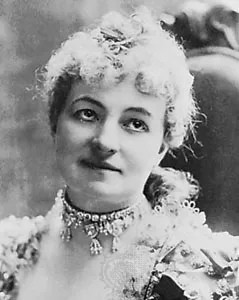
Helena-Modjeska-1869

6. Artistic Contributions Beyond Acting:

Helena Modrzejewska’s talents extended beyond acting. A skilled painter, she captured scenes from her life and travels, leaving behind a visual testament to her experiences. Additionally, she wrote her memoir, “Memories and Impressions,” providing valuable insights into her remarkable life and the cultural landscapes she traversed.

7. Legacy and Recognition:

Helena Modrzejewska’s contributions to the world of theater were widely recognized during her lifetime. She received accolades and honors from both European and American institutions. Her impact on the American stage was so profound that the city of Anaheim, California, named a street, park, and school in her honor.

The Helena Modjeska Historic House and Gardens, located in Orange County, California, preserves her legacy and showcases the rich history of this influential woman.

Conclusion:

Helena Modrzejewska’s life is a testament to the power of passion, resilience, and talent. From her humble beginnings in Poland to her triumphs on international stages, Modjeska left an enduring legacy that transcends national boundaries.

As we celebrate her contributions to the world of theater and women’s empowerment, let us remember Madame Helena Modjeska as a trailblazer whose artistry and advocacy continue to inspire generations.
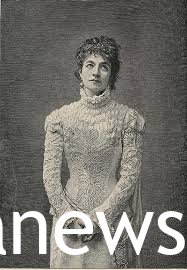
Helena-Modjeska-HM.jpg

PHOTO CREDIT

OTHER ARTICLES OF THE DAY

WRITTEN BY ALEX

FAQs and answers

1. Who was Helena Modrzejewska?

Helena Modrzejewska, also known as Helena Modjeska, was a renowned Polish actress famous for her Shakespearean roles and performances in both Poland and the United States. She was born on October 12, 1840, and became one of the most celebrated stage actresses of the 19th century.

Reference: Biography of Helena Modrzejewska

2. What made Helena Modrzejewska famous?

Modrzejewska gained fame for her powerful stage presence and mastery of Shakespearean roles, including Lady Macbeth, Ophelia, and Juliet. Her ability to perform in both Polish and English made her a respected actress in Europe and America.

Reference: Helena Modrzejewska’s Career

3. When did Helena Modrzejewska move to the United States?

She moved to the U.S. in 1876, settling in California before launching a successful acting career in America. Despite her initial struggle with English, she quickly became a favorite on the American stage.

Reference: Helena Modrzejewska’s American Journey

4. What were Helena Modrzejewska’s most famous roles?

Some of her most celebrated roles include:

Reference: Famous Roles of Helena Modrzejewska

5. Did Helena Modrzejewska receive any awards or recognition?

Yes, she was highly regarded in the theatre world and received accolades for her outstanding performances. She was also honored with a star on the Polish Walk of Fame and remains a cultural icon in Poland.

Reference: Helena Modrzejewska’s Legacy

6. What interesting facts are there about Helena Modrzejewska?

Reference: Interesting Facts About Helena Modrzejewska

7. When and how did Helena Modrzejewska pass away?

She passed away on April 8, 1909, in Newport Beach, California, due to complications from Bright’s disease. She was later buried in Kraków, Poland.

Reference: Helena Modrzejewska’s Death and Burial

Back to Mpya News Home page: Education, Fashion, Law, business and sports

Last updated on: February 6, 2025

New information gained / new value takehome

  • Helena Modrzejewska: Helena Modrzejewska, also known as Madame Helena Modjeska, was a 19th-century Polish actress whose legacy transcends national borders.
  • Born on October 12, 1840, in Krakow, Poland, Modrzejewska became a pioneering figure in the world of theater, leaving an indelible mark on both European and American stages.
  • As we delve into the life of this remarkable woman, let’s explore seven intriguing facts that showcase the depth of her influence and the impact she had on the theatrical world.
  • 1.
  • Early Life and Education: Helena Modrzejewska’s journey into the world of acting was not a typical one.
Verified Content

This content was developed using AI as part of our research process. To ensure absolute accuracy, all information has been rigorously fact-checked and validated by our human editor, mpyanews.

External resource 1: BBC World News Coverage

External resource 2: Reuters Global Agency

Reference 1: The New York Times International

Reference 2: Al Jazeera News Updates

Reference 3: Associated Press Official


Photo credit: instagram.com

About

Mpya News is the winner of global website of the year

Latest Posts

Download Past Paper On Educational Communication and Information Technology For Revision

Educational Communication and Information Technology is an important subject for...

Educational Communication and Information Technology is an essential subject for students pursuing education and teaching-related courses. It explores how communication skills, instructional resources, and modern technologies contribute to effective teaching and learning. Students preparing for examinations can use Educational Communication and Information Technology past papers alongside lecture notes, textbooks, and revision questions to strengthen their understanding. What is Educational Communication and Information Technology? Educational Communication and Information Technology refers to the application of communication principles and technological tools in educational settings. It helps teachers deliver information effectively and enables learners to access, process, and share knowledge through different channels. The subject includes communication processes, instructional media, computer applications, internet services, multimedia, e-learning, and digital educational resources. Why are Educational Communication and Information Technology past papers important? Past papers help students practise answering examination questions and become familiar with different question formats. They can also help learners identify areas that need more revision and improve their ability to manage examination time. Practising Educational Communication and Information Technology past exam papers alongside course notes can make preparation more organised. Which topics should students revise? Students should revise the main topics covered in their syllabus. These may include: Meaning and importance of communication in education Elements and models of communication Barriers to effective communication Verbal and non-verbal communication Instructional media and teaching aids Computer applications in education Internet services and digital learning resources Multimedia and e-learning Educational broadcasting Advantages and challenges of educational technology These topics provide a useful starting point for Educational Communication and Information Technology revision questions. What is the communication process? The communication process involves the exchange of information between a sender and a receiver. The sender develops a message, selects a channel, and transmits the information. The receiver interprets the message and may provide feedback. In a classroom, for example, a teacher explains a concept, learners listen and interpret the information, and their questions or responses provide feedback. What are the main elements of communication? The main elements include the sender, message, encoding, channel, receiver, decoding, feedback, and context. Noise can interfere with the process and affect understanding. Students should know the functions of these elements because they are useful when answering Educational Communication and Information Technology exam questions. What is the difference between verbal and non-verbal communication? Verbal communication uses spoken or written words to convey information. Examples include classroom discussions, lectures, textbooks, and written instructions. Non-verbal communication involves conveying meaning through gestures, facial expressions, posture, eye contact, and other visual signals. Teachers often use both forms to explain concepts and interact with learners. What are the barriers to effective communication? Communication barriers are factors that prevent a message from being transmitted or understood clearly. Examples include language differences, poor listening, unclear explanations, excessive classroom noise, cultural differences, and technical difficulties. Teachers can reduce these barriers by using clear language, encouraging questions, choosing suitable communication channels, and checking learners’ understanding. What is instructional media? Instructional media refers to materials and resources used to support teaching and learning. Examples include charts, diagrams, maps, models, photographs, audio recordings, videos, projectors, and computers. The appropriate teaching aid depends on the lesson objectives, subject content, learners’ needs, and available resources. How does information technology support education? Information technology supports education by helping users create, store, process, retrieve, and share information. Computers, mobile devices, digital platforms, and internet services can support research, classroom teaching, communication, assessment, and access to learning materials. However, effective use requires suitable resources, digital skills, and appropriate planning. What is e-learning? E-learning is the delivery or support of learning through electronic and digital technologies. It may involve virtual classrooms, online lessons, learning management systems, electronic textbooks, recorded lectures, and online assignments. Students preparing Educational Communication and Information Technology questions and answers should understand the meaning, benefits, and limitations of e-learning. What are the advantages and disadvantages of educational technology? Educational technology can improve access to information, support interactive lessons, encourage collaboration, and provide flexible learning opportunities. It can also help teachers present complex concepts through images, audio, and video. Possible disadvantages include high equipment costs, unreliable internet connections, unequal access to devices, technical problems, and distractions. Students should be able to discuss both benefits and challenges. How can students use past papers effectively? Students should attempt Educational Communication and Information Technology past papers before looking at their notes. After completing a paper, they can review mistakes, revisit difficult topics, and practise similar questions. Searching for Educational Communication and Information Technology past papers PDF can help students locate additional revision resources through authorised educational sources. How should students answer examination questions? Students should read each question carefully and identify the instruction. Words such as “define,” “explain,” “discuss,” “outline,” and “compare” require different responses. For essay questions, students should introduce the topic, explain each main point clearly, provide relevant examples where appropriate, and finish with a conclusion. Conclusion Preparing with Educational Communication and Information Technology past papers, exam questions, revision notes, and textbooks can help students develop a better understanding of the subject. Consistent revision and timed practice can improve knowledge, answer organisation, and examination skills.Educational Communication and Information Technology is an essential subject for students pursuing education and teaching-related courses. It explores how communication skills, instructional resources, and modern technologies contribute to effective teaching and learning. Students preparing for examinations can use Educational Communication and Information Technology past papers alongside lecture notes, textbooks, and revision questions to strengthen their understanding. What is Educational Communication and Information Technology? Educational Communication and Information Technology refers to the application of communication principles and technological tools in educational settings. It helps teachers deliver information effectively and enables learners to access, process, and share knowledge through different channels. The subject includes communication processes, instructional media, computer applications, internet services, multimedia, e-learning, and digital educational resources. Why are Educational Communication and Information Technology past papers important? Past papers help students practise answering examination questions and become familiar with different question formats. They can also help learners identify areas that need more revision and improve their ability to manage examination time. Practising Educational Communication and Information Technology past exam papers alongside course notes can make preparation more organised. Which topics should students revise? Students should revise the main topics covered in their syllabus. These may include: Meaning and importance of communication in education Elements and models of communication Barriers to effective communication Verbal and non-verbal communication Instructional media and teaching aids Computer applications in education Internet services and digital learning resources Multimedia and e-learning Educational broadcasting Advantages and challenges of educational technology These topics provide a useful starting point for Educational Communication and Information Technology revision questions. What is the communication process? The communication process involves the exchange of information between a sender and a receiver. The sender develops a message, selects a channel, and transmits the information. The receiver interprets the message and may provide feedback. In a classroom, for example, a teacher explains a concept, learners listen and interpret the information, and their questions or responses provide feedback. What are the main elements of communication? The main elements include the sender, message, encoding, channel, receiver, decoding, feedback, and context. Noise can interfere with the process and affect understanding. Students should know the functions of these elements because they are useful when answering Educational Communication and Information Technology exam questions. What is the difference between verbal and non-verbal communication? Verbal communication uses spoken or written words to convey information. Examples include classroom discussions, lectures, textbooks, and written instructions. Non-verbal communication involves conveying meaning through gestures, facial expressions, posture, eye contact, and other visual signals. Teachers often use both forms to explain concepts and interact with learners. What are the barriers to effective communication? Communication barriers are factors that prevent a message from being transmitted or understood clearly. Examples include language differences, poor listening, unclear explanations, excessive classroom noise, cultural differences, and technical difficulties. Teachers can reduce these barriers by using clear language, encouraging questions, choosing suitable communication channels, and checking learners’ understanding. What is instructional media? Instructional media refers to materials and resources used to support teaching and learning. Examples include charts, diagrams, maps, models, photographs, audio recordings, videos, projectors, and computers. The appropriate teaching aid depends on the lesson objectives, subject content, learners’ needs, and available resources. How does information technology support education? Information technology supports education by helping users create, store, process, retrieve, and share information. Computers, mobile devices, digital platforms, and internet services can support research, classroom teaching, communication, assessment, and access to learning materials. However, effective use requires suitable resources, digital skills, and appropriate planning. What is e-learning? E-learning is the delivery or support of learning through electronic and digital technologies. It may involve virtual classrooms, online lessons, learning management systems, electronic textbooks, recorded lectures, and online assignments. Students preparing Educational Communication and Information Technology questions and answers should understand the meaning, benefits, and limitations of e-learning. What are the advantages and disadvantages of educational technology? Educational technology can improve access to information, support interactive lessons, encourage collaboration, and provide flexible learning opportunities. It can also help teachers present complex concepts through images, audio, and video. Possible disadvantages include high equipment costs, unreliable internet connections, unequal access to devices, technical problems, and distractions. Students should be able to discuss both benefits and challenges. How can students use past papers effectively? Students should attempt Educational Communication and Information Technology past papers before looking at their notes. After completing a paper, they can review mistakes, revisit difficult topics, and practise similar questions. Searching for Educational Communication and Information Technology past papers PDF can help students locate additional revision resources through authorised educational sources. How should students answer examination questions? Students should read each question carefully and identify the instruction. Words such as “define,” “explain,” “discuss,” “outline,” and “compare” require different responses. For essay questions, students should introduce the topic, explain each main point clearly, provide relevant examples where appropriate, and finish with a conclusion. Conclusion Preparing with Educational Communication and Information Technology past papers, exam questions, revision notes, and textbooks can help students develop

Educational Communication and Information Technology is an important subject for...

Download Past Paper On Introduction to the Study of Language For Revision

Are you looking for Introduction to the Study of Language...

images 35 Download Past Paper On Studies in African Diaspora and Pan-Africanism for Revision

Download Past Paper On Studies in African Diaspora and Pan-Africanism for Revision

Are you looking for Studies in African Diaspora and Pan-Africanism...