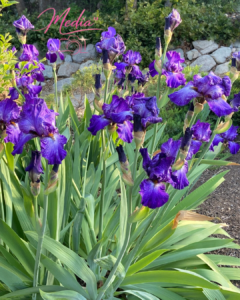
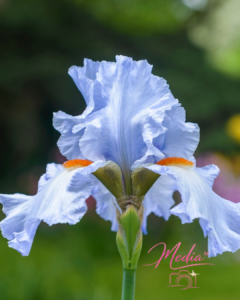
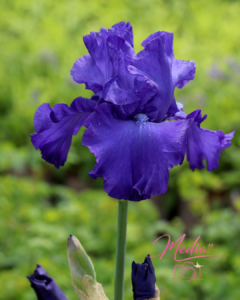
bearded iris: Nature has gifted us with a myriad of plants, each carrying its unique set of medicinal properties. Among these, the bearded iris (Iris germanica) stands out not just for its stunning beauty but also for its hidden therapeutic potential. Beyond its ornamental value in gardens, the bearded iris has been traditionally used for various medicinal purposes. Let’s explore 13 proven medicinal uses of this remarkable plant.

1. Anti-Inflammatory Properties:
The bearded iris contains compounds with anti-inflammatory effects. These compounds can help alleviate inflammation in the body, making it a potential remedy for conditions like arthritis and other inflammatory disorders.
2. Wound Healing:
The rhizomes of the bearded iris have been used topically to aid in wound healing. The plant’s antimicrobial properties can help prevent infections, while its soothing nature accelerates the recovery process.
3. Respiratory Health:
Bearded iris extracts have demonstrated respiratory benefits. They can be useful in treating respiratory conditions like bronchitis and asthma due to their bronchodilator and anti-spasmodic properties.
4. Digestive Aid:
The bearded iris has been traditionally used to address digestive issues. Its mild laxative properties can help promote regular bowel movements, relieving constipation and supporting overall digestive health.
5. Pain Relief:
The plant contains compounds that act as natural pain relievers. This makes bearded iris a potential candidate for managing pain associated with various conditions, providing a natural alternative to conventional pain medications.
6. Anti-Bacterial Effects:
Bearded iris exhibits antibacterial properties, making it effective against various bacterial strains. This makes it a valuable resource for treating infections and preventing the spread of harmful bacteria in the body.
7. Anti-Spasmodic Action:
The bearded iris has muscle-relaxing properties, making it useful in managing muscle spasms and cramps. This can be particularly beneficial for individuals experiencing conditions like irritable bowel syndrome (IBS) or menstrual cramps.
8. Anti-Anxiety and Stress Reduction:
Compounds found in bearded iris may have a calming effect on the nervous system, potentially reducing anxiety and stress. This makes it a natural remedy for individuals dealing with mild to moderate anxiety disorders.


9. Hormonal Balance:
Some traditional uses of bearded iris include promoting hormonal balance. It is believed to have a regulatory effect on certain hormones, making it beneficial for women experiencing hormonal fluctuations, such as during menopause.
10. Antioxidant Properties:
Rich in antioxidants, bearded iris can help neutralize free radicals in the body. This antioxidant activity contributes to overall health by reducing oxidative stress, which is linked to various chronic diseases.
11. Diuretic Effect:
The diuretic properties of bearded iris can be beneficial for individuals dealing with water retention and edema. By promoting urine production, it aids in flushing out excess fluids from the body.
12. Skin Conditions:
Bearded iris extracts have been applied topically to address various skin conditions. Its antimicrobial and anti-inflammatory properties can be useful in soothing and healing skin irritations, including eczema and dermatitis.
13. Fever Reduction:
Traditional uses of bearded iris include fever reduction. The plant’s properties may help in lowering body temperature during febrile episodes, providing relief to individuals with febrile conditions.
The bearded iris, often cherished for its captivating blooms, extends its value beyond aesthetics to offer a spectrum of medicinal benefits. As with any herbal remedy, it’s crucial to consult with healthcare professionals before incorporating bearded iris into your wellness routine, especially if you have existing health conditions or are taking medications. Nature’s pharmacy continues to unveil its secrets, and the bearded iris stands as a testament to the healing wonders that plants can offer.
Frequently Asked Questions (FAQs)
1. What part of the Bearded Iris is used for healing purposes?
The primary medicinal part of the Bearded Iris is the rhizome, which is the thick, horizontal underground stem. Once harvested, washed, dried, and aged, it is referred to in herbalism and perfumery as “orris root.”
2. Can I use fresh Bearded Iris roots straight from the garden for medicine?
No. Fresh Bearded Iris rhizomes are toxic and contain acrid resins that cause severe nausea, vomiting, and skin irritation. The roots must be dried and aged for a minimum of two to three years to neutralize the harsh compounds and develop their beneficial properties.
3. What are the main benefits of Bearded Iris in skincare?
Bearded Iris extract is highly valued in modern skincare for its antioxidant properties. It helps regulate skin moisture levels, purifies the complexion, and promotes cell renewal, making it a popular ingredient in anti-aging creams and hydrating serums.
4. How did ancient civilizations use Bearded Iris?
The ancient Greeks and Romans used Bearded Iris (orris root) to treat coughs, remove freckles, and soothe indigestion. The Greek physician Dioscorides documented its use as a powerful remedy for respiratory ailments and skin issues in his early medical texts.
5. Does Bearded Iris have anti-inflammatory properties?
Yes. Traditionally aged orris root preparations contain natural anti-inflammatory compounds that were historically applied as poultices to soothe swollen joints, muscle aches, and inflamed skin.


6. Is Bearded Iris used in modern medicine?
While it is rarely used in mainstream internal medicine today due to safer modern alternatives, Bearded Iris extracts and orris root remain widely utilized in homeopathy, aromatherapy, and natural cosmetic formulations.
7. How does Bearded Iris help the respiratory system?
In traditional herbalism, dried orris root was used as a natural expectorant. It was brewed into carefully dosed syrups or teas to help thin mucus, loosen phlegm, and relieve congestion caused by bronchitis or heavy colds.
8. What is “Orris Root” and how does it relate to the Bearded Iris?
Orris root is the commercial and herbal name given to the dried, aged rhizomes of specific iris species, predominantly the Bearded Iris (Iris germanica) and the Florentine Iris (Iris pallida).
9. Why does Bearded Iris root need to be aged for years?
The aging process is essential because it allows the essential oils within the rhizome to oxidize and transform into “irones.” These irones give the root its highly prized violet fragrance and mellow out the toxic, irritating compounds found in the fresh plant.
10. Can Bearded Iris be used to treat digestive issues?
Historically, small doses of dried iris root were used as a diuretic and laxative to detoxify the digestive tract. However, because it can easily act as a severe purgative if misdosed, internal use for digestion is no longer recommended.
11. Is Bearded Iris extract safe for sensitive skin?
Generally, professionally formulated cosmetics containing iris extract are safe for most skin types. However, raw orris root powder is a known allergen for some individuals and can trigger contact dermatitis or sneezing if inhaled. A patch test is always recommended.
12. How is Bearded Iris used in aromatherapy?
The essential oil derived from the aged roots, known as orris butter, is used in aromatherapy for its deeply calming, grounding, and emotionally centering scent. It is often used to relieve stress and mental fatigue.
13. Does Bearded Iris have antibacterial properties?
Yes, historical texts and modern screenings indicate that extracts from the iris rhizome possess mild antimicrobial and antibacterial qualities, which historically aided in preventing infections in minor topical wounds.
14. Can Bearded Iris root be used for dental hygiene?
In the 18th and 19th centuries, pieces of dried, peeled orris root were commonly given to teething infants to chew on because of the root’s tough texture and mild numbing effect. It was also ground into early tooth powders to freshen breath and whiten teeth.
15. Are the flowers or leaves of the Bearded Iris medicinal?
The medicinal properties are almost exclusively concentrated in the rhizomes. The leaves and colorful petals contain negligible therapeutic value and are primarily considered toxic if ingested by humans or pets.
16. What is the active chemical compound responsible for its healing aroma?
The primary active aromatic compounds are irones. These alpha-, beta-, and gamma-irones develop slowly during the drying process and give the root its therapeutic, soothing scent and fixative qualities.

17. How does the perfume industry utilize the healing power of Iris?
Beyond physical healing, orris root acts as an elite “fixative” in perfumery, meaning it binds lighter scent molecules together to make fragrances last longer on the skin. Its soothing violet notes are widely used in luxury aromatherapeutic perfumes.
18. Is Bearded Iris toxic to dogs and cats?
Yes, Bearded Iris is toxic to domestic pets. If a dog or cat digs up and ingests the rhizomes, it can cause severe salivation, vomiting, diarrhea, and lethargy due to the presence of irisquinones.
19. Can I make my own Bearded Iris remedies at home?
Due to the precise processing, long aging requirements, and potential toxicity of mismanaged roots, it is highly discouraged to create homemade internal remedies from your garden irises. It is much safer to purchase professionally regulated homeopathic remedies or skincare products.
20. Where can I find safe, commercial products featuring Bearded Iris?
Bearded Iris extract (often listed under its botanical name Iris Germanica Root Extract or Orris Root) can be found in high-end natural skincare lines, organic facial oils, homeopathic remedy shops, and artisanal herbal apothecaries.
WRITTEN BY COLLINS
Back to Mpya News Home page: Education, Fashion, Law, business and sports
Last updated on: June 8, 2026
New information gained / new value takehome
- bearded iris: Nature has gifted us with a myriad of plants, each carrying its unique set of medicinal properties.
- Respiratory Health: Bearded iris extracts have demonstrated respiratory benefits.
- Its mild laxative properties can help promote regular bowel movements, relieving constipation and supporting overall digestive health.
- The bearded iris, often cherished for its captivating blooms, extends its value beyond aesthetics to offer a spectrum of medicinal benefits.
- What are the main benefits of Bearded Iris in skincare?
- It helps regulate skin moisture levels, purifies the complexion, and promotes cell renewal, making it a popular ingredient in anti-aging creams and hydrating serums.
- The aging process is essential because it allows the essential oils within the rhizome to oxidize and transform into “irones.
- However, because it can easily act as a severe purgative if misdosed, internal use for digestion is no longer recommended.
- The essential oil derived from the aged roots, known as orris butter, is used in aromatherapy for its deeply calming, grounding, and emotionally centering scent.
- In the 18th and 19th centuries, pieces of dried, peeled orris root were commonly given to teething infants to chew on because of the root’s tough texture and mild numbing effect.
This content was developed using AI as part of our research process. To ensure absolute accuracy, all information has been rigorously fact-checked and validated by our human editor, Collins Murithi.
External resource 1: BBC World News Coverage
External resource 2: Reuters Global Agency
Reference 1: The New York Times International
Reference 2: Al Jazeera News Updates
Reference 3: Associated Press Official
Photo credit: instagram.com