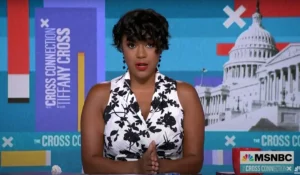
Tiffany Cross: is a breath of fresh air on daytime television. With her sharp wit, infectious laugh, and bold fashion choices, she’s quickly become a role model for women everywhere. But it’s not just her intelligence and charisma that captivate us – it’s her incredible sense of style. Cross is a master of mixing high and low, classic and trendy, and she always manages to look effortlessly chic.

tiffany-cross-055d1dd14de34c69a2e8ba53ca3fc21a.jp

One of her favorite wardrobe staples? Dresses! From playful mini frocks to sophisticated midi numbers, Cross rocks a dress like nobody’s business. And the best part? Her outfits are wearable and adaptable for any occasion. So, if you’re looking to add a touch of Tiffany Cross magic to your wardrobe, here are 7 cheeky dress outfits inspired by the queen of daytime:

1. The Polka-Dot Powerhouse

Cross loves a good polka dot, and so should you! This playful print is perfect for injecting some personality into your look. Channel your inner Tiffany with a俏皮的波尔卡圆点迷你裙 搭配一双大胆的红色高跟鞋和一条 statement项链. Finish with a sleek bun and bold red lipstick for an extra dose of sass.

2. The Striped Sensation

Stripes are another Cross favorite, and for good reason. They’re flattering, versatile, and can be dressed up or down. For a look that’s both polished and playful, try a striped midi dress with a fitted bodice and flared skirt. Add a pair of pointed-toe flats and a pop of color with a statement bag.

3. The Floral Fantasy

A floral dress is always a good idea, especially when it’s done the Tiffany Crossway. Opt for a bold floral print in a vibrant color, like emerald green or cobalt blue. Keep the rest of your accessories simple with nude pumps and minimal jewelry. Let the dress do the talking!

4. The Leather Luxe

Who says dresses can’t be edgy? Take a cue from Tiffany and rock a leather dress for a look that’s both chic and confident. Balance out the toughness with a pair of delicate sandals and a soft, flowing scarf.

5. The Velvet Vixen

Velvet is the epitome of luxury, and it’s a fabric that Tiffany Cross knows how to wear well. For a special occasion, try a rich velvet dress in a jewel tone like sapphire or emerald. Add some sparkle with statement earrings and a pair of strappy heels.

tiffany-cross-055d1dd14de34c69a2e8ba53ca3fc21a.jp

6. The Denim Diva

Denim is a casual fabric, but Tiffany Cross proves that it can be dressed up for a night out. Opt for a denim shirt dress with a cinched waist and pair it with some killer boots and statement jewelry. This look is equal parts edgy and chic.

7. The Mixed Prints Master

Tiffany Cross is not afraid to mix prints, and neither should you! For a truly unique look, try pairing a floral dress with a striped blazer or a polka-dot scarf. Just make sure the prints are in the same color family or have a common element, like stripes or polka dots.

tiffany-cross-055d1dd14de34c69a2e8ba53ca3fc21a.jp

Remember, the key to rocking a Tiffany Cross-inspired outfit is to have fun and embrace your style. Don’t be afraid to experiment with different colors, patterns, and textures. And most importantly, wear your clothes with confidence!

Bonus tip: Add a pop of Tiffany’s signature color, green, to your outfit. Whether it’s a pair of statement earrings, a bold bag, or even just a touch of eye shadow, a little green can go a long way.

With these tips, you’ll be channeling your inner Tiffany Cross in no time! So go ahead, get creative, and have fun with your fashion choices.

PHOTO CREDIT

OTHER ARTICLES OF THE DAY

WRITTEN BY ALEX

FAQs and answers

1. What are Tiffany Cross’s best cheeky dress outfits?

Tiffany Cross has rocked several stylish and bold outfits, including bodycon dresses, off-shoulder gowns, and thigh-high slit ensembles. Her red carpet appearances often feature fitted silhouettes that enhance her figure.

📌 Reference: Celebrity Fashion Trends

2. How can I style a cheeky dress like Tiffany Cross?

To achieve Tiffany’s signature look, opt for well-fitted dresses with statement details like bold colors, unique cuts, or thigh-high slits. Pair them with sleek heels and minimal accessories for an elegant yet daring vibe.

📌 Reference: Fashion Styling Tips

3. What are the best stores to buy cheeky dresses inspired by Tiffany Cross?

You can find similar stylish outfits at high-end stores like Revolve, Fashion Nova, and Zara. For budget-friendly options, check out ASOS and PrettyLittleThing.

📌 Reference: Best Online Dress Stores

4. What accessories does Tiffany Cross pair with her cheeky dresses?

She often styles her dresses with bold statement earrings, strappy heels, and elegant clutches. Minimal jewelry keeps the focus on the dress while adding a touch of sophistication.

📌 Reference: Celebrity Accessories Guide

5. What are the top colors for cheeky dresses this season?

Trending colors for cheeky dresses include vibrant reds, emerald greens, and classic black. These shades create a striking and confident look, just like Tiffany Cross’s signature style.

📌 Reference: Trending Fashion Colors

6. What body types suit cheeky dresses like Tiffany Cross wears?

Cheeky dresses can be flattering for all body types. Choose a fit that highlights your best features—bodycon styles for hourglass figures, wrap dresses for curvier shapes, and mini dresses for a bold look.

📌 Reference: Dressing for Your Body Type

7. How can I make a cheeky dress look classy like Tiffany Cross?

Balance is key! Opt for dresses with elegant cuts, and avoid excessive embellishments. Pair them with sophisticated makeup and neutral-toned heels to maintain a polished yet cheeky look.

📌 Reference: Classy Fashion Tips

Back to Mpya News Home page: Education, Fashion, Law, business and sports

Last updated on: March 15, 2025

New information gained / new value takehome

  • For a truly unique look, try pairing a floral dress with a striped blazer or a polka-dot scarf.
  • Remember, the key to rocking a Tiffany Cross-inspired outfit is to have fun and embrace your style.
  • And most importantly, wear your clothes with confidence!
  • Bonus tip: Add a pop of Tiffany’s signature color, green, to your outfit.
  • With these tips, you’ll be channeling your inner Tiffany Cross in no time!
  • To achieve Tiffany’s signature look, opt for well-fitted dresses with statement details like bold colors, unique cuts, or thigh-high slits.
Verified Content

This content was developed using AI as part of our research process. To ensure absolute accuracy, all information has been rigorously fact-checked and validated by our human editor, mpyanews.

External resource 1: BBC World News Coverage

External resource 2: Reuters Global Agency

Reference 1: The New York Times International

Reference 2: Al Jazeera News Updates

Reference 3: Associated Press Official


Photo credit: instagram.com

About

Mpya News is the winner of global website of the year

Latest Posts

Download Past Paper On Educational Communication and Information Technology For Revision

Educational Communication and Information Technology is an important subject for...

Educational Communication and Information Technology is an essential subject for students pursuing education and teaching-related courses. It explores how communication skills, instructional resources, and modern technologies contribute to effective teaching and learning. Students preparing for examinations can use Educational Communication and Information Technology past papers alongside lecture notes, textbooks, and revision questions to strengthen their understanding. What is Educational Communication and Information Technology? Educational Communication and Information Technology refers to the application of communication principles and technological tools in educational settings. It helps teachers deliver information effectively and enables learners to access, process, and share knowledge through different channels. The subject includes communication processes, instructional media, computer applications, internet services, multimedia, e-learning, and digital educational resources. Why are Educational Communication and Information Technology past papers important? Past papers help students practise answering examination questions and become familiar with different question formats. They can also help learners identify areas that need more revision and improve their ability to manage examination time. Practising Educational Communication and Information Technology past exam papers alongside course notes can make preparation more organised. Which topics should students revise? Students should revise the main topics covered in their syllabus. These may include: Meaning and importance of communication in education Elements and models of communication Barriers to effective communication Verbal and non-verbal communication Instructional media and teaching aids Computer applications in education Internet services and digital learning resources Multimedia and e-learning Educational broadcasting Advantages and challenges of educational technology These topics provide a useful starting point for Educational Communication and Information Technology revision questions. What is the communication process? The communication process involves the exchange of information between a sender and a receiver. The sender develops a message, selects a channel, and transmits the information. The receiver interprets the message and may provide feedback. In a classroom, for example, a teacher explains a concept, learners listen and interpret the information, and their questions or responses provide feedback. What are the main elements of communication? The main elements include the sender, message, encoding, channel, receiver, decoding, feedback, and context. Noise can interfere with the process and affect understanding. Students should know the functions of these elements because they are useful when answering Educational Communication and Information Technology exam questions. What is the difference between verbal and non-verbal communication? Verbal communication uses spoken or written words to convey information. Examples include classroom discussions, lectures, textbooks, and written instructions. Non-verbal communication involves conveying meaning through gestures, facial expressions, posture, eye contact, and other visual signals. Teachers often use both forms to explain concepts and interact with learners. What are the barriers to effective communication? Communication barriers are factors that prevent a message from being transmitted or understood clearly. Examples include language differences, poor listening, unclear explanations, excessive classroom noise, cultural differences, and technical difficulties. Teachers can reduce these barriers by using clear language, encouraging questions, choosing suitable communication channels, and checking learners’ understanding. What is instructional media? Instructional media refers to materials and resources used to support teaching and learning. Examples include charts, diagrams, maps, models, photographs, audio recordings, videos, projectors, and computers. The appropriate teaching aid depends on the lesson objectives, subject content, learners’ needs, and available resources. How does information technology support education? Information technology supports education by helping users create, store, process, retrieve, and share information. Computers, mobile devices, digital platforms, and internet services can support research, classroom teaching, communication, assessment, and access to learning materials. However, effective use requires suitable resources, digital skills, and appropriate planning. What is e-learning? E-learning is the delivery or support of learning through electronic and digital technologies. It may involve virtual classrooms, online lessons, learning management systems, electronic textbooks, recorded lectures, and online assignments. Students preparing Educational Communication and Information Technology questions and answers should understand the meaning, benefits, and limitations of e-learning. What are the advantages and disadvantages of educational technology? Educational technology can improve access to information, support interactive lessons, encourage collaboration, and provide flexible learning opportunities. It can also help teachers present complex concepts through images, audio, and video. Possible disadvantages include high equipment costs, unreliable internet connections, unequal access to devices, technical problems, and distractions. Students should be able to discuss both benefits and challenges. How can students use past papers effectively? Students should attempt Educational Communication and Information Technology past papers before looking at their notes. After completing a paper, they can review mistakes, revisit difficult topics, and practise similar questions. Searching for Educational Communication and Information Technology past papers PDF can help students locate additional revision resources through authorised educational sources. How should students answer examination questions? Students should read each question carefully and identify the instruction. Words such as “define,” “explain,” “discuss,” “outline,” and “compare” require different responses. For essay questions, students should introduce the topic, explain each main point clearly, provide relevant examples where appropriate, and finish with a conclusion. Conclusion Preparing with Educational Communication and Information Technology past papers, exam questions, revision notes, and textbooks can help students develop a better understanding of the subject. Consistent revision and timed practice can improve knowledge, answer organisation, and examination skills.Educational Communication and Information Technology is an essential subject for students pursuing education and teaching-related courses. It explores how communication skills, instructional resources, and modern technologies contribute to effective teaching and learning. Students preparing for examinations can use Educational Communication and Information Technology past papers alongside lecture notes, textbooks, and revision questions to strengthen their understanding. What is Educational Communication and Information Technology? Educational Communication and Information Technology refers to the application of communication principles and technological tools in educational settings. It helps teachers deliver information effectively and enables learners to access, process, and share knowledge through different channels. The subject includes communication processes, instructional media, computer applications, internet services, multimedia, e-learning, and digital educational resources. Why are Educational Communication and Information Technology past papers important? Past papers help students practise answering examination questions and become familiar with different question formats. They can also help learners identify areas that need more revision and improve their ability to manage examination time. Practising Educational Communication and Information Technology past exam papers alongside course notes can make preparation more organised. Which topics should students revise? Students should revise the main topics covered in their syllabus. These may include: Meaning and importance of communication in education Elements and models of communication Barriers to effective communication Verbal and non-verbal communication Instructional media and teaching aids Computer applications in education Internet services and digital learning resources Multimedia and e-learning Educational broadcasting Advantages and challenges of educational technology These topics provide a useful starting point for Educational Communication and Information Technology revision questions. What is the communication process? The communication process involves the exchange of information between a sender and a receiver. The sender develops a message, selects a channel, and transmits the information. The receiver interprets the message and may provide feedback. In a classroom, for example, a teacher explains a concept, learners listen and interpret the information, and their questions or responses provide feedback. What are the main elements of communication? The main elements include the sender, message, encoding, channel, receiver, decoding, feedback, and context. Noise can interfere with the process and affect understanding. Students should know the functions of these elements because they are useful when answering Educational Communication and Information Technology exam questions. What is the difference between verbal and non-verbal communication? Verbal communication uses spoken or written words to convey information. Examples include classroom discussions, lectures, textbooks, and written instructions. Non-verbal communication involves conveying meaning through gestures, facial expressions, posture, eye contact, and other visual signals. Teachers often use both forms to explain concepts and interact with learners. What are the barriers to effective communication? Communication barriers are factors that prevent a message from being transmitted or understood clearly. Examples include language differences, poor listening, unclear explanations, excessive classroom noise, cultural differences, and technical difficulties. Teachers can reduce these barriers by using clear language, encouraging questions, choosing suitable communication channels, and checking learners’ understanding. What is instructional media? Instructional media refers to materials and resources used to support teaching and learning. Examples include charts, diagrams, maps, models, photographs, audio recordings, videos, projectors, and computers. The appropriate teaching aid depends on the lesson objectives, subject content, learners’ needs, and available resources. How does information technology support education? Information technology supports education by helping users create, store, process, retrieve, and share information. Computers, mobile devices, digital platforms, and internet services can support research, classroom teaching, communication, assessment, and access to learning materials. However, effective use requires suitable resources, digital skills, and appropriate planning. What is e-learning? E-learning is the delivery or support of learning through electronic and digital technologies. It may involve virtual classrooms, online lessons, learning management systems, electronic textbooks, recorded lectures, and online assignments. Students preparing Educational Communication and Information Technology questions and answers should understand the meaning, benefits, and limitations of e-learning. What are the advantages and disadvantages of educational technology? Educational technology can improve access to information, support interactive lessons, encourage collaboration, and provide flexible learning opportunities. It can also help teachers present complex concepts through images, audio, and video. Possible disadvantages include high equipment costs, unreliable internet connections, unequal access to devices, technical problems, and distractions. Students should be able to discuss both benefits and challenges. How can students use past papers effectively? Students should attempt Educational Communication and Information Technology past papers before looking at their notes. After completing a paper, they can review mistakes, revisit difficult topics, and practise similar questions. Searching for Educational Communication and Information Technology past papers PDF can help students locate additional revision resources through authorised educational sources. How should students answer examination questions? Students should read each question carefully and identify the instruction. Words such as “define,” “explain,” “discuss,” “outline,” and “compare” require different responses. For essay questions, students should introduce the topic, explain each main point clearly, provide relevant examples where appropriate, and finish with a conclusion. Conclusion Preparing with Educational Communication and Information Technology past papers, exam questions, revision notes, and textbooks can help students develop

Educational Communication and Information Technology is an important subject for...

Download Past Paper On Introduction to the Study of Language For Revision

Are you looking for Introduction to the Study of Language...

images 35 Download Past Paper On Studies in African Diaspora and Pan-Africanism for Revision

Download Past Paper On Studies in African Diaspora and Pan-Africanism for Revision

Are you looking for Studies in African Diaspora and Pan-Africanism...