June Bug: June bugs, scientifically known as Phyllophaga, are fascinating creatures that capture the curiosity of both entomologists and nature enthusiasts alike. These nocturnal beetles are commonly spotted during the warm summer evenings, and while they may seem like just another insect, scientists unveil 13 mind-blowing facts about June bug which are seemingly ordinary bugs.
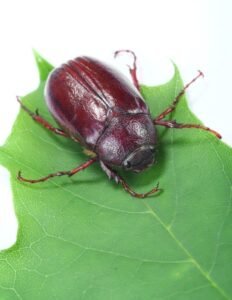
1. Diverse Species:
June bugs belong to the vast family of scarab beetles, encompassing over 200 species in North America alone. Their policy-for-editorial-content-mpya-news/" title="Diversity">diversity is not only intriguing but also highlights the importance of these insects in maintaining ecological balance.
2. Nocturnal Navigators:
June bugs are primarily nocturnal, meaning they are most active during the night. Their navigation skills are impressive, relying on the moon and celestial cues to guide them through the darkness. This behaviour aids in avoiding predators and finding mates.
3. Attracted to Light:
The fascination of June bugs with artificial light sources is a common sight. Scientists believe this attraction might be linked to their navigational instincts, as they mistake artificial lights for the moon, disrupting their natural course.
4. Lifespan Mysteries:
The lifespan of a June bug is relatively short, typically ranging from a few weeks to a couple of months. However, the specifics vary among species. Understanding the intricacies of their lifespan can offer valuable insights into their role in ecosystems.
5. Larval Stages:
The life cycle of a June bug begins in the larval stage, spent underground. During this phase, they feed on roots and organic matter, playing a crucial role in soil health and nutrient recycling.
6. Feeding Preferences:
Adult June bugs are known for their voracious appetites, feeding on foliage and flowers. While they may be perceived as pests by gardeners, their feeding habits contribute to the natural pruning of plants, promoting healthier growth.
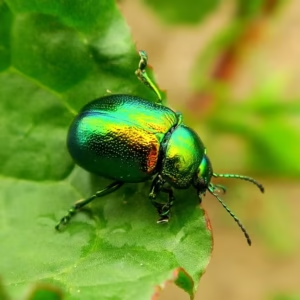
7. Mating Rituals:
June bugs engage in intricate mating rituals, involving airborne acrobatics and the release of pheromones to attract potential mates. Understanding these rituals can provide valuable insights into their reproductive behaviours.
8. Economic Impact:
Despite their ecological significance, June bugs can have economic implications, especially in agriculture. Some species can be agricultural pests, causing damage to crops and affecting yields.
9. Camouflage Masters:
The physical appearance of June bugs is often marked by a robust exoskeleton and distinct coloration, allowing them to blend seamlessly into their surroundings. This camouflage serves as a defense mechanism against predators.
10. Environmental Indicators:
The presence and abundance of June bugs in a particular area can serve as indicators of environmental health. Changes in their population dynamics may signal shifts in ecosystems or the impact of human activities on the environment.
11. Ancient Symbolism:
Throughout history, various cultures have associated symbolism with beetles, including June bugs. In some traditions, beetles represent transformation, resurrection, and the cycle of life, adding a cultural dimension to the scientific understanding of these insects.

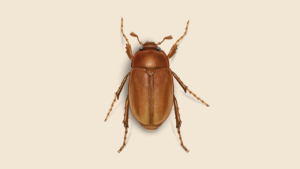
12. Bioluminescent Species:
While not all June bugs exhibit bioluminescence, some species do. This fascinating feature involves the production of light by chemical reactions within their bodies, adding an extra layer of intrigue to these already captivating insects.
13. Citizen Science Opportunities:
The study of June bugs provides ample opportunities for citizen science involvement. Enthusiasts and amateur scientists can contribute valuable data by observing and documenting the behaviour, distribution, and abundance of these insects, aiding in broader ecological research.
As scientists continue to unravel the mysteries of June bugs, it becomes evident that these seemingly ordinary insects play a crucial role in the intricate web of life. From their nocturnal navigational prowess to their role in soil health and beyond, June bugs are a testament to the wonders of the natural world, reminding us of the importance of understanding and appreciating even the smallest creatures that share our planet.
Frequently Asked Questions (FAQs)
1. What exactly is a June bug?
A June bug (also known as a June beetle or May beetle) is a common name given to several species of scarab beetles in the genus Phyllophaga, as well as related species like the green June beetle (Cotinis nitida) and the ten-lined June beetle (Polyphylla decemlineata).
2. Why are they called “June bugs”?
They earn their nickname because adult beetles typically emerge from underground pupation in late May and peak in numbers during early June in North America.
3. Do June bugs bite or sting humans?
No. June bugs do not possess stingers, nor do they have mouthparts designed to bite humans or pets. They are completely harmless to people, though their spiny legs can feel slightly prickly when crawling on skin.
4. Why do June bugs crash into window screens and lights?
June bugs practice phototaxis (attraction to light). Scientists believe artificial night lights disorient their natural navigation system, which relies on light sources like the moon to maintain direction, causing them to fly erratically toward porch lights and windows.
5. Why are June bugs such clumsy flyers?
Unlike agile insects, June bugs have heavy bodies and thick forewings (elytra) that must open wide before their delicate hindwings can beat. This heavy body-to-wingspan ratio makes steering difficult, leading to frequent mid-air collisions.
6. How long is the lifespan of a June bug?
An adult June bug lives for only 1 to 4 weeks. However, their total life cycle—spent mostly underground as larvae—lasts anywhere from 1 to 3 years depending on the species and climate.
7. What do June bug grubs eat underground?
June bug larvae, commonly called white grubs, live beneath the soil and feed heavily on plant roots, turf grass, and decaying organic matter.
8. What do adult June bugs eat?
Adult June bugs feed primarily on tree foliage, shrubs, flowers, and ripe fruit. Some species rarely feed as adults, focusing almost entirely on mating during their brief aerial lifespan.
9. Are June bugs harmful to lawns and gardens?
Yes, in high numbers. While adult beetles cause minor cosmetic foliage damage, their underground grubs can chew through root systems, leaving brown, dying patches of turf across lawns and crops.
10. Can June bugs play dead when threatened?
Yes. When disturbed or dropped from a high surface, many June bugs enter a state of temporary tonic immobility (thigmotaxis or playing dead) as a defense mechanism against predators.
11. Do birds and other wildlife eat June bugs?
Extensively. June bugs are a vital protein source for birds, skunks, raccoons, frogs, bats, and spiders. Skunks and raccoons will often dig up lawns specifically to hunt for white grubs.

12. What are the 13 mind-blowing scientific facts about June bugs?
Scientists highlight 13 fascinating adaptations:
-
Multi-Year Underground Nap: They spend up to 90% of their life buried underground.
-
Back-Crawling Grubs: Green June beetle grubs crawl on their backs rather than their legs.
-
Sound Making: Ten-lined June beetles produce a distinct squeaking or hissing noise when disturbed by rubbing their wings against their abdomens.
-
Extreme Blindness to Red Light: They cannot detect red LED wavelengths, allowing entomologists to observe them at night without disorienting them.
-
Magnetic Orientation: Emerging research suggests some scarabs use Earth’s magnetic field to orient themselves underground.
-
Mass Synchronized Emergence: Entire populations emerge simultaneously within a few days to maximize mating success.
-
Nutrient Recyclers: Grubs accelerate soil decomposition by breaking down organic plant matter.
-
Metallic Structural Coloration: Species like the green June beetle use microstructures on their exoskeleton to reflect brilliant metallic hues without pigments.
-
Heavy-Body Mechanics: They flap their hindwings hundreds of times per second to keep their dense bodies airborne.
-
Night-Only Courtship: Most species complete courtship, mating, and egg-laying strictly between dusk and midnight.
-
Temperature-Triggered Emergence: Adult emergence is precisely regulated by soil temperature thresholds in late spring.
-
Voracious Grub Appetite: A single grub can consume root masses multiple times its own weight in a week.
-
Natural Pest Indicators: High June bug populations often signal overwatered or nutrient-dense lawn soil.
13. How can you naturally get rid of June bugs in your yard?
You can control adult June bugs by turning off outdoor porch lights at dusk, using bucket light traps, or applying natural beneficial nematodes (Heterorhabditis bacteriophora) to the lawn to target underground grubs.

14. What are beneficial nematodes and how do they work against June bugs?
Beneficial nematodes are microscopic roundworms applied to wet soil. They naturally hunt down white grubs, enter them, and release bacteria that eliminate the grub without harming plants, pets, or beneficial earthworms.
15. Are June bugs poisonous to dogs or cats if eaten?
No, June bugs are non-toxic. However, if a dog or cat eats a large quantity, the insect’s tough chitinous exoskeletons can cause mild stomach upset or vomiting.
16. What is the difference between a Japanese beetle and a June bug?
Japanese beetles are smaller (about 0.5 inches), feature copper-colored wing covers with a metallic green thorax, and feed actively during daytime. June bugs are larger (0.6 to 1 inch), typically dull brown or bright metallic green, and are primarily nocturnal.
17. How can you identify a June bug infestation in your lawn?
Key signs include spongy patches of turf that easily pull up like carpet, irregular brown dead grass patches, and increased digging activity from nocturnal predators like raccoons or skunks.
18. Do June bugs make noise?
While most brown June beetles are quiet except for the buzz of their wings, certain species like the ten-lined June beetle make a notable hissing or squeaking sound when threatened.
19. Why do June bugs get stuck on their backs?
Because of their top-heavy oval body shape and short legs, a June bug that flips onto a flat surface often struggles to generate enough leverage to roll back over, remaining stuck until it can grab onto grass or a nearby object.
20. When is the best time of year to treat lawn grubs?
The ideal time to treat lawn grubs is in late summer to early autumn (August through September), when newly hatched grubs are small, actively feeding near the soil surface, and most vulnerable to biological control methods.
WRITTEN BY COLLINS
Back to Mpya News Home page: Education, Fashion, Law, business and sports
Last updated on: August 1, 2026
New information gained / new value takehome
- They earn their nickname because adult beetles typically emerge from underground pupation in late May and peak in numbers during early June in North America.
- Skunks and raccoons will often dig up lawns specifically to hunt for white grubs.
- Voracious Grub Appetite: A single grub can consume root masses multiple times its own weight in a week.
- Key signs include spongy patches of turf that easily pull up like carpet, irregular brown dead grass patches, and increased digging activity from nocturnal predators like raccoons or skunks.
This content was developed using AI as part of our research process. To ensure absolute accuracy, all information has been rigorously fact-checked and validated by our human editor, Collins Murithi.
External resource 1: BBC World News Coverage
External resource 2: Reuters Global Agency
Reference 1: The New York Times International
Reference 2: Al Jazeera News Updates
Reference 3: Associated Press Official
Photo credit: instagram.com
