


Hayley Kiyoko: In the realm of Hollywood glamour, Hayley Kiyoko has emerged as a style icon, captivating hearts with her talent and fashion sense. Beyond her musical prowess, Kiyoko has also become a trendsetter in the world of swimwear, showcasing her confidence and flair in a series of seven sexy bikinis. Let’s dive into the moments when Hayley Kiyoko stepped out, leaving a trail of style and elegance in her wake.

1. Beachside Bliss in Bold Red

Hayley Kiyoko made waves when she graced the beach in a striking red bikini. The bold color complemented her vivacious personality, creating a stunning visual contrast against the backdrop of sun-kissed shores. The moment captured by the paparazzi highlighted not just her fashion sense but also her undeniable allure.

2. Chic and Timeless in Monochrome

In a nod to classic sophistication, Kiyoko donned a monochrome bikini that showcased her timeless style. The simplicity of the ensemble highlighted her natural beauty, proving that elegance can often be found in the subtle details. This fashion choice cemented her status as a fashionista with an eye for the understated.

3. Tropical Paradise in Floral Prints

Transporting us to a tropical paradise, Hayley Kiyoko embraced floral prints in a bikini that exuded laid-back charm. The vibrant colors and playful pattern reflected her free-spirited nature, capturing the essence of a carefree summer day. This moment celebrated the joy of embracing bold prints and daring designs.

Hayley Kiyoko in a bikini

4. Sporty Chic by the Pool

Stepping away from the conventional, Kiyoko showcased her sporty side in a chic bikini by the pool. The athleisure-inspired ensemble seamlessly blended comfort and style, proving that swimwear can be both fashionable and functional. This moment redefined the perception of poolside glamour, inspiring a new wave of athletic-inspired beachwear.

5. Metallic Marvel in Silver Shine

Hayley Kiyoko shimmered and sparkled in a metallic silver bikini that turned heads wherever she went. The futuristic vibe of the ensemble added a touch of avant-garde to her beachside look, making a bold statement about embracing innovation in fashion. This dazzling moment affirmed Kiyoko’s status as a trendsetter unafraid to push the boundaries of conventional style.

Hayley Kiyoko in a blue bikini

6. Bohemian Rhapsody in Fringed Beauty

Embracing bohemian flair, Kiyoko stepped out in a fringed bikini that captured the essence of carefree wanderlust. The playful movement of the fringe added an extra layer of allure to her beach ensemble, creating a visual spectacle that resonated with fans and fashion enthusiasts alike. This moment exemplified Kiyoko’s ability to infuse her personal style into every fashion choice.

7. Understated Elegance in Black

Closing the list with a timeless classic, Hayley Kiyoko embraced understated elegance in a sleek black bikini. The simplicity of the design emphasized her natural beauty and confidence, proving that sometimes less is more. This iconic moment showcased Kiyoko’s ability to effortlessly command attention with a minimalist approach to swimwear.

Hayley Kiyoko in a black bikini

In conclusion, Hayley Kiyoko’s journey through seven sexy bikinis has been a testament to her versatility and style evolution. Each moment captured in these stunning ensembles tells a story of confidence, individuality, and a fearless approach to fashion. As Kiyoko continues to make waves in the, her influence on swimwear trends is sure to endure, leaving an indelible mark on the world of celebrity fashion.

PHOTO CREDIT

WRITTEN BY COLLINS

OTHER ARTICLES OF THE DAY

FAQs and answers

1. When did Hayley Kiyoko first make headlines for her bikini looks?

Hayley Kiyoko first grabbed attention for her bikini looks during her tropical vacation in 2019, where she confidently flaunted her beachwear style on Instagram. Fans praised her for her bold and empowering fashion choices.

Reference: Source

2. What are some of Hayley Kiyoko’s best bikini moments?

Some of Hayley Kiyoko’s best bikini moments include her colorful two-piece set in Hawaii, a stylish black bikini during a poolside photoshoot, and a stunning neon bikini she wore in a summer photoshoot in 2022.

Reference: Source

3. What type of bikinis does Hayley Kiyoko prefer?

Hayley Kiyoko often wears sporty yet chic bikinis, favoring high-waisted styles, bold colors, and trendy cut-out designs. She also embraces sustainable swimwear brands that align with her eco-conscious values.

Reference: Source

4. Has Hayley Kiyoko ever worn a bikini at red-carpet events?

While she hasn’t worn a bikini on a traditional red carpet, Hayley has rocked bikini-inspired outfits at music events and concerts, incorporating sheer cover-ups and stylish layering pieces.

Reference: Source

5. How does Hayley Kiyoko style her bikini look?

Hayley pairs her bikinis with oversized sunglasses, statement earrings, and chic cover-ups like sarongs and kimonos. She also loves adding sporty elements such as baseball caps and sneakers for a unique twist.

Reference: Source

6. What was Hayley Kiyoko’s most viral bikini moment?

One of her most viral bikini moments was when she posted a sun-kissed beach photo in a bold red bikini in 2023, which received over a million likes and thousands of comments praising her confidence and beauty.

Reference: Source

7. What impact has Hayley Kiyoko’s bikini fashion had on her fans?

Hayley Kiyoko’s bikini fashion has inspired fans to embrace body positivity and self-love. She frequently encourages her followers to feel comfortable in their skin, regardless of societal beauty policy-page-at-mpya-news/" title="Standards">standards.

Reference: Source

Back to Mpya News Home page: Education, Fashion, Law, business and sports

Last updated on: March 8, 2025

New information gained / new value takehome

  • Hayley Kiyoko: In the realm of Hollywood glamour, Hayley Kiyoko has emerged as a style icon, captivating hearts with her talent and fashion sense.
  • Beyond her musical prowess, Kiyoko has also become a trendsetter in the world of swimwear, showcasing her confidence and flair in a series of seven sexy bikinis.
  • Let’s dive into the moments when Hayley Kiyoko stepped out, leaving a trail of style and elegance in her wake.
  • 1.
  • Beachside Bliss in Bold Red Hayley Kiyoko made waves when she graced the beach in a striking red bikini.
Verified Content

This content was developed using AI as part of our research process. To ensure absolute accuracy, all information has been rigorously fact-checked and validated by our human editor, Collins Murithi.

External resource 1: BBC World News Coverage

External resource 2: Reuters Global Agency

Reference 1: The New York Times International

Reference 2: Al Jazeera News Updates

Reference 3: Associated Press Official


Photo credit: instagram.com

About

Digital entrepreneur and content specialist at MPYA News, focused on delivering high-quality insights and resources.

Latest Posts

Download Past Paper On Educational Communication and Information Technology For Revision

Educational Communication and Information Technology is an important subject for...

Educational Communication and Information Technology is an essential subject for students pursuing education and teaching-related courses. It explores how communication skills, instructional resources, and modern technologies contribute to effective teaching and learning. Students preparing for examinations can use Educational Communication and Information Technology past papers alongside lecture notes, textbooks, and revision questions to strengthen their understanding. What is Educational Communication and Information Technology? Educational Communication and Information Technology refers to the application of communication principles and technological tools in educational settings. It helps teachers deliver information effectively and enables learners to access, process, and share knowledge through different channels. The subject includes communication processes, instructional media, computer applications, internet services, multimedia, e-learning, and digital educational resources. Why are Educational Communication and Information Technology past papers important? Past papers help students practise answering examination questions and become familiar with different question formats. They can also help learners identify areas that need more revision and improve their ability to manage examination time. Practising Educational Communication and Information Technology past exam papers alongside course notes can make preparation more organised. Which topics should students revise? Students should revise the main topics covered in their syllabus. These may include: Meaning and importance of communication in education Elements and models of communication Barriers to effective communication Verbal and non-verbal communication Instructional media and teaching aids Computer applications in education Internet services and digital learning resources Multimedia and e-learning Educational broadcasting Advantages and challenges of educational technology These topics provide a useful starting point for Educational Communication and Information Technology revision questions. What is the communication process? The communication process involves the exchange of information between a sender and a receiver. The sender develops a message, selects a channel, and transmits the information. The receiver interprets the message and may provide feedback. In a classroom, for example, a teacher explains a concept, learners listen and interpret the information, and their questions or responses provide feedback. What are the main elements of communication? The main elements include the sender, message, encoding, channel, receiver, decoding, feedback, and context. Noise can interfere with the process and affect understanding. Students should know the functions of these elements because they are useful when answering Educational Communication and Information Technology exam questions. What is the difference between verbal and non-verbal communication? Verbal communication uses spoken or written words to convey information. Examples include classroom discussions, lectures, textbooks, and written instructions. Non-verbal communication involves conveying meaning through gestures, facial expressions, posture, eye contact, and other visual signals. Teachers often use both forms to explain concepts and interact with learners. What are the barriers to effective communication? Communication barriers are factors that prevent a message from being transmitted or understood clearly. Examples include language differences, poor listening, unclear explanations, excessive classroom noise, cultural differences, and technical difficulties. Teachers can reduce these barriers by using clear language, encouraging questions, choosing suitable communication channels, and checking learners’ understanding. What is instructional media? Instructional media refers to materials and resources used to support teaching and learning. Examples include charts, diagrams, maps, models, photographs, audio recordings, videos, projectors, and computers. The appropriate teaching aid depends on the lesson objectives, subject content, learners’ needs, and available resources. How does information technology support education? Information technology supports education by helping users create, store, process, retrieve, and share information. Computers, mobile devices, digital platforms, and internet services can support research, classroom teaching, communication, assessment, and access to learning materials. However, effective use requires suitable resources, digital skills, and appropriate planning. What is e-learning? E-learning is the delivery or support of learning through electronic and digital technologies. It may involve virtual classrooms, online lessons, learning management systems, electronic textbooks, recorded lectures, and online assignments. Students preparing Educational Communication and Information Technology questions and answers should understand the meaning, benefits, and limitations of e-learning. What are the advantages and disadvantages of educational technology? Educational technology can improve access to information, support interactive lessons, encourage collaboration, and provide flexible learning opportunities. It can also help teachers present complex concepts through images, audio, and video. Possible disadvantages include high equipment costs, unreliable internet connections, unequal access to devices, technical problems, and distractions. Students should be able to discuss both benefits and challenges. How can students use past papers effectively? Students should attempt Educational Communication and Information Technology past papers before looking at their notes. After completing a paper, they can review mistakes, revisit difficult topics, and practise similar questions. Searching for Educational Communication and Information Technology past papers PDF can help students locate additional revision resources through authorised educational sources. How should students answer examination questions? Students should read each question carefully and identify the instruction. Words such as “define,” “explain,” “discuss,” “outline,” and “compare” require different responses. For essay questions, students should introduce the topic, explain each main point clearly, provide relevant examples where appropriate, and finish with a conclusion. Conclusion Preparing with Educational Communication and Information Technology past papers, exam questions, revision notes, and textbooks can help students develop a better understanding of the subject. Consistent revision and timed practice can improve knowledge, answer organisation, and examination skills.Educational Communication and Information Technology is an essential subject for students pursuing education and teaching-related courses. It explores how communication skills, instructional resources, and modern technologies contribute to effective teaching and learning. Students preparing for examinations can use Educational Communication and Information Technology past papers alongside lecture notes, textbooks, and revision questions to strengthen their understanding. What is Educational Communication and Information Technology? Educational Communication and Information Technology refers to the application of communication principles and technological tools in educational settings. It helps teachers deliver information effectively and enables learners to access, process, and share knowledge through different channels. The subject includes communication processes, instructional media, computer applications, internet services, multimedia, e-learning, and digital educational resources. Why are Educational Communication and Information Technology past papers important? Past papers help students practise answering examination questions and become familiar with different question formats. They can also help learners identify areas that need more revision and improve their ability to manage examination time. Practising Educational Communication and Information Technology past exam papers alongside course notes can make preparation more organised. Which topics should students revise? Students should revise the main topics covered in their syllabus. These may include: Meaning and importance of communication in education Elements and models of communication Barriers to effective communication Verbal and non-verbal communication Instructional media and teaching aids Computer applications in education Internet services and digital learning resources Multimedia and e-learning Educational broadcasting Advantages and challenges of educational technology These topics provide a useful starting point for Educational Communication and Information Technology revision questions. What is the communication process? The communication process involves the exchange of information between a sender and a receiver. The sender develops a message, selects a channel, and transmits the information. The receiver interprets the message and may provide feedback. In a classroom, for example, a teacher explains a concept, learners listen and interpret the information, and their questions or responses provide feedback. What are the main elements of communication? The main elements include the sender, message, encoding, channel, receiver, decoding, feedback, and context. Noise can interfere with the process and affect understanding. Students should know the functions of these elements because they are useful when answering Educational Communication and Information Technology exam questions. What is the difference between verbal and non-verbal communication? Verbal communication uses spoken or written words to convey information. Examples include classroom discussions, lectures, textbooks, and written instructions. Non-verbal communication involves conveying meaning through gestures, facial expressions, posture, eye contact, and other visual signals. Teachers often use both forms to explain concepts and interact with learners. What are the barriers to effective communication? Communication barriers are factors that prevent a message from being transmitted or understood clearly. Examples include language differences, poor listening, unclear explanations, excessive classroom noise, cultural differences, and technical difficulties. Teachers can reduce these barriers by using clear language, encouraging questions, choosing suitable communication channels, and checking learners’ understanding. What is instructional media? Instructional media refers to materials and resources used to support teaching and learning. Examples include charts, diagrams, maps, models, photographs, audio recordings, videos, projectors, and computers. The appropriate teaching aid depends on the lesson objectives, subject content, learners’ needs, and available resources. How does information technology support education? Information technology supports education by helping users create, store, process, retrieve, and share information. Computers, mobile devices, digital platforms, and internet services can support research, classroom teaching, communication, assessment, and access to learning materials. However, effective use requires suitable resources, digital skills, and appropriate planning. What is e-learning? E-learning is the delivery or support of learning through electronic and digital technologies. It may involve virtual classrooms, online lessons, learning management systems, electronic textbooks, recorded lectures, and online assignments. Students preparing Educational Communication and Information Technology questions and answers should understand the meaning, benefits, and limitations of e-learning. What are the advantages and disadvantages of educational technology? Educational technology can improve access to information, support interactive lessons, encourage collaboration, and provide flexible learning opportunities. It can also help teachers present complex concepts through images, audio, and video. Possible disadvantages include high equipment costs, unreliable internet connections, unequal access to devices, technical problems, and distractions. Students should be able to discuss both benefits and challenges. How can students use past papers effectively? Students should attempt Educational Communication and Information Technology past papers before looking at their notes. After completing a paper, they can review mistakes, revisit difficult topics, and practise similar questions. Searching for Educational Communication and Information Technology past papers PDF can help students locate additional revision resources through authorised educational sources. How should students answer examination questions? Students should read each question carefully and identify the instruction. Words such as “define,” “explain,” “discuss,” “outline,” and “compare” require different responses. For essay questions, students should introduce the topic, explain each main point clearly, provide relevant examples where appropriate, and finish with a conclusion. Conclusion Preparing with Educational Communication and Information Technology past papers, exam questions, revision notes, and textbooks can help students develop

Educational Communication and Information Technology is an important subject for...

Download Past Paper On Introduction to the Study of Language For Revision

Are you looking for Introduction to the Study of Language...

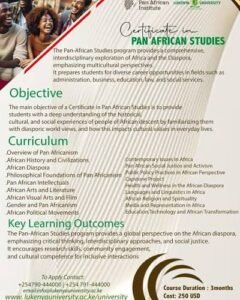
images 35 Download Past Paper On Studies in African Diaspora and Pan-Africanism for Revision

Download Past Paper On Studies in African Diaspora and Pan-Africanism for Revision

Are you looking for Studies in African Diaspora and Pan-Africanism...