Penny Hardaway: In the realm of basketball, few names resonate as strongly as Anfernee “Penny” Hardaway. As we step into 2024, it’s an opportune moment to evaluate the success and impact of this iconic figure. From his playing days to his coaching career, Penny Hardaway has left an indelible mark on the sport. Let’s delve into 17 key facts that highlight the extent of his success.

Penny Hardaway

1. Collegiate Stardom

Penny Hardaway’s journey to success commenced at the University of Memphis, where his exceptional skills and leadership catapulted him into the national spotlight.

2. NBA Glory Days

Drafted by the Orlando Magic in 1993, Hardaway quickly became a star, forming a formidable duo with Shaquille O’Neal and earning multiple NBA All-Star appearances.

Penny Hardaway: playing basketball

3. Injury Setbacks

Despite immense promise, injuries took a toll on Hardaway’s career, altering its trajectory. However, his resilience remained a defining characteristic.

4. Enduring Legacy

Penny’s impact isn’t just statistical; his influence on the game’s culture and style endures, making him a revered figure in basketball history.

5. Off-Court Ventures

Post-retirement, Hardaway ventured into business, showcasing his versatility and business acumen, further contributing to his overall success.

6. Return to Memphis

Taking the helm as the head coach of the University of Memphis Tigers, Penny has orchestrated a resurgence for the team, drawing attention to his coaching prowess.

Penny Hardaway looking young

7. Recruiting Triumphs

Hardaway’s recruiting efforts have landed some of the nation’s top talents, signifying his ability to attract and nurture promising players.

8. Challenges Faced

Navigating the intricacies of college coaching hasn’t been without challenges, but Penny’s strategic approach and commitment have proven crucial.

9. Impact on Community

Beyond the court, Hardaway has invested in the Memphis community, establishing a philanthropic legacy that transcends basketball.

10. NBA Hall of Fame Induction

Recognition of Penny’s contributions to the sport culminated in his induction into the Naismith Memorial Basketball Hall of Fame, cementing his place among the greats.

11. Global Basketball Ambassador

Hardaway’s influence extends globally, as he continues to be a prominent ambassador for the sport, fostering its growth internationally.

12. Evolution of Playing Style

Known for his innovative playing style, Hardaway’s impact on the evolution of basketball strategy remains relevant, influencing contemporary players.

13. Media Presence

Penny’s media presence, including commentary and appearances, has kept him in the public eye, contributing to the ongoing narrative of his success.

14. Brand Endorsements

Securing lucrative brand endorsements, Hardaway’s marketability has endured, showcasing the lasting appeal of his personal brand.

15. Academic Initiatives

Penny’s commitment to education is evident through various academic initiatives, emphasizing the importance of holistic development for his players.

16. Team Performance Metrics

Analyzing the statistical success of the Memphis Tigers under Hardaway’s coaching tenure provides insights into his strategic impact on the team.

17. Future Prospects

As we stand on the cusp of 2024, Penny Hardaway’s journey continues. Anticipation surrounds his future endeavors, both in coaching and beyond.

The success of Penny Hardaway extends far beyond the basketball court. His journey is a testament to resilience, adaptability, and a profound love for the game. As we witness the ongoing chapters of his career, it’s evident that the legacy of Penny Hardaway remains firmly rooted in the heart of basketball history.

PHOTO CREDIT

WRITTEN BY COLLINS

OTHER ARTICLES OF THE DAY

FAQs and answers

1. What is Penny Hardaway’s net worth in 2025?

As of 2025, Penny Hardaway’s estimated net worth is around $55 million. His wealth comes from his NBA career, coaching salary, endorsements, and business ventures.
Source

2. How successful was Penny Hardaway as an NBA player?

Penny Hardaway was a four-time NBA All-Star and played a key role in leading the Orlando Magic to the 1995 NBA Finals. His early career was filled with success before injuries hampered his progress.
Source

3. What teams did Penny Hardaway play for in the NBA?

Hardaway played for the Orlando Magic, Phoenix Suns, New York Knicks, and Miami Heat during his NBA career from 1993 to 2008.
Source

4. What is Penny Hardaway’s coaching record at Memphis?

As of 2025, Penny Hardaway has led the Memphis Tigers to multiple NCAA Tournament appearances, winning the 2023 NIT Championship and securing multiple top recruits.
Source

5. How much does Penny Hardaway earn as a coach?

Penny Hardaway’s salary as the Memphis Tigers’ head coach is approximately $2.5 million per year, with additional incentives based on performance.
Source

6. What business ventures does Penny Hardaway own?

Hardaway owns a youth basketball program, real estate investments, and a barbershop franchise. His business portfolio has contributed significantly to his wealth.
Source

7. Has Penny Hardaway won any coaching awards?

Yes, Hardaway has been named AAC Coach of the Year and has received recognition for his contributions to college basketball.
Source

Back to Mpya News Home page: Education, Fashion, Law, business and sports

Last updated on: February 24, 2025

New information gained / new value takehome

  • Let’s delve into 17 key facts that highlight the extent of his success.
  • NBA Glory Days Drafted by the Orlando Magic in 1993, Hardaway quickly became a star, forming a formidable duo with Shaquille O’Neal and earning multiple NBA All-Star appearances.
  • Penny Hardaway was a four-time NBA All-Star and played a key role in leading the Orlando Magic to the 1995 NBA Finals.
  • Hardaway played for the Orlando Magic, Phoenix Suns, New York Knicks, and Miami Heat during his NBA career from 1993 to 2008.
  • As of 2025, Penny Hardaway has led the Memphis Tigers to multiple NCAA Tournament appearances, winning the 2023 NIT Championship and securing multiple top recruits.
  • His business portfolio has contributed significantly to his wealth.
Verified Content

This content was developed using AI as part of our research process. To ensure absolute accuracy, all information has been rigorously fact-checked and validated by our human editor, Collins Murithi.

External resource 1: BBC World News Coverage

External resource 2: Reuters Global Agency

Reference 1: The New York Times International

Reference 2: Al Jazeera News Updates

Reference 3: Associated Press Official


Photo credit: instagram.com

About

Digital entrepreneur and content specialist at MPYA News, focused on delivering high-quality insights and resources.

Latest Posts

Download Past Paper On Educational Communication and Information Technology For Revision

Educational Communication and Information Technology is an important subject for...

Educational Communication and Information Technology is an essential subject for students pursuing education and teaching-related courses. It explores how communication skills, instructional resources, and modern technologies contribute to effective teaching and learning. Students preparing for examinations can use Educational Communication and Information Technology past papers alongside lecture notes, textbooks, and revision questions to strengthen their understanding. What is Educational Communication and Information Technology? Educational Communication and Information Technology refers to the application of communication principles and technological tools in educational settings. It helps teachers deliver information effectively and enables learners to access, process, and share knowledge through different channels. The subject includes communication processes, instructional media, computer applications, internet services, multimedia, e-learning, and digital educational resources. Why are Educational Communication and Information Technology past papers important? Past papers help students practise answering examination questions and become familiar with different question formats. They can also help learners identify areas that need more revision and improve their ability to manage examination time. Practising Educational Communication and Information Technology past exam papers alongside course notes can make preparation more organised. Which topics should students revise? Students should revise the main topics covered in their syllabus. These may include: Meaning and importance of communication in education Elements and models of communication Barriers to effective communication Verbal and non-verbal communication Instructional media and teaching aids Computer applications in education Internet services and digital learning resources Multimedia and e-learning Educational broadcasting Advantages and challenges of educational technology These topics provide a useful starting point for Educational Communication and Information Technology revision questions. What is the communication process? The communication process involves the exchange of information between a sender and a receiver. The sender develops a message, selects a channel, and transmits the information. The receiver interprets the message and may provide feedback. In a classroom, for example, a teacher explains a concept, learners listen and interpret the information, and their questions or responses provide feedback. What are the main elements of communication? The main elements include the sender, message, encoding, channel, receiver, decoding, feedback, and context. Noise can interfere with the process and affect understanding. Students should know the functions of these elements because they are useful when answering Educational Communication and Information Technology exam questions. What is the difference between verbal and non-verbal communication? Verbal communication uses spoken or written words to convey information. Examples include classroom discussions, lectures, textbooks, and written instructions. Non-verbal communication involves conveying meaning through gestures, facial expressions, posture, eye contact, and other visual signals. Teachers often use both forms to explain concepts and interact with learners. What are the barriers to effective communication? Communication barriers are factors that prevent a message from being transmitted or understood clearly. Examples include language differences, poor listening, unclear explanations, excessive classroom noise, cultural differences, and technical difficulties. Teachers can reduce these barriers by using clear language, encouraging questions, choosing suitable communication channels, and checking learners’ understanding. What is instructional media? Instructional media refers to materials and resources used to support teaching and learning. Examples include charts, diagrams, maps, models, photographs, audio recordings, videos, projectors, and computers. The appropriate teaching aid depends on the lesson objectives, subject content, learners’ needs, and available resources. How does information technology support education? Information technology supports education by helping users create, store, process, retrieve, and share information. Computers, mobile devices, digital platforms, and internet services can support research, classroom teaching, communication, assessment, and access to learning materials. However, effective use requires suitable resources, digital skills, and appropriate planning. What is e-learning? E-learning is the delivery or support of learning through electronic and digital technologies. It may involve virtual classrooms, online lessons, learning management systems, electronic textbooks, recorded lectures, and online assignments. Students preparing Educational Communication and Information Technology questions and answers should understand the meaning, benefits, and limitations of e-learning. What are the advantages and disadvantages of educational technology? Educational technology can improve access to information, support interactive lessons, encourage collaboration, and provide flexible learning opportunities. It can also help teachers present complex concepts through images, audio, and video. Possible disadvantages include high equipment costs, unreliable internet connections, unequal access to devices, technical problems, and distractions. Students should be able to discuss both benefits and challenges. How can students use past papers effectively? Students should attempt Educational Communication and Information Technology past papers before looking at their notes. After completing a paper, they can review mistakes, revisit difficult topics, and practise similar questions. Searching for Educational Communication and Information Technology past papers PDF can help students locate additional revision resources through authorised educational sources. How should students answer examination questions? Students should read each question carefully and identify the instruction. Words such as “define,” “explain,” “discuss,” “outline,” and “compare” require different responses. For essay questions, students should introduce the topic, explain each main point clearly, provide relevant examples where appropriate, and finish with a conclusion. Conclusion Preparing with Educational Communication and Information Technology past papers, exam questions, revision notes, and textbooks can help students develop a better understanding of the subject. Consistent revision and timed practice can improve knowledge, answer organisation, and examination skills.Educational Communication and Information Technology is an essential subject for students pursuing education and teaching-related courses. It explores how communication skills, instructional resources, and modern technologies contribute to effective teaching and learning. Students preparing for examinations can use Educational Communication and Information Technology past papers alongside lecture notes, textbooks, and revision questions to strengthen their understanding. What is Educational Communication and Information Technology? Educational Communication and Information Technology refers to the application of communication principles and technological tools in educational settings. It helps teachers deliver information effectively and enables learners to access, process, and share knowledge through different channels. The subject includes communication processes, instructional media, computer applications, internet services, multimedia, e-learning, and digital educational resources. Why are Educational Communication and Information Technology past papers important? Past papers help students practise answering examination questions and become familiar with different question formats. They can also help learners identify areas that need more revision and improve their ability to manage examination time. Practising Educational Communication and Information Technology past exam papers alongside course notes can make preparation more organised. Which topics should students revise? Students should revise the main topics covered in their syllabus. These may include: Meaning and importance of communication in education Elements and models of communication Barriers to effective communication Verbal and non-verbal communication Instructional media and teaching aids Computer applications in education Internet services and digital learning resources Multimedia and e-learning Educational broadcasting Advantages and challenges of educational technology These topics provide a useful starting point for Educational Communication and Information Technology revision questions. What is the communication process? The communication process involves the exchange of information between a sender and a receiver. The sender develops a message, selects a channel, and transmits the information. The receiver interprets the message and may provide feedback. In a classroom, for example, a teacher explains a concept, learners listen and interpret the information, and their questions or responses provide feedback. What are the main elements of communication? The main elements include the sender, message, encoding, channel, receiver, decoding, feedback, and context. Noise can interfere with the process and affect understanding. Students should know the functions of these elements because they are useful when answering Educational Communication and Information Technology exam questions. What is the difference between verbal and non-verbal communication? Verbal communication uses spoken or written words to convey information. Examples include classroom discussions, lectures, textbooks, and written instructions. Non-verbal communication involves conveying meaning through gestures, facial expressions, posture, eye contact, and other visual signals. Teachers often use both forms to explain concepts and interact with learners. What are the barriers to effective communication? Communication barriers are factors that prevent a message from being transmitted or understood clearly. Examples include language differences, poor listening, unclear explanations, excessive classroom noise, cultural differences, and technical difficulties. Teachers can reduce these barriers by using clear language, encouraging questions, choosing suitable communication channels, and checking learners’ understanding. What is instructional media? Instructional media refers to materials and resources used to support teaching and learning. Examples include charts, diagrams, maps, models, photographs, audio recordings, videos, projectors, and computers. The appropriate teaching aid depends on the lesson objectives, subject content, learners’ needs, and available resources. How does information technology support education? Information technology supports education by helping users create, store, process, retrieve, and share information. Computers, mobile devices, digital platforms, and internet services can support research, classroom teaching, communication, assessment, and access to learning materials. However, effective use requires suitable resources, digital skills, and appropriate planning. What is e-learning? E-learning is the delivery or support of learning through electronic and digital technologies. It may involve virtual classrooms, online lessons, learning management systems, electronic textbooks, recorded lectures, and online assignments. Students preparing Educational Communication and Information Technology questions and answers should understand the meaning, benefits, and limitations of e-learning. What are the advantages and disadvantages of educational technology? Educational technology can improve access to information, support interactive lessons, encourage collaboration, and provide flexible learning opportunities. It can also help teachers present complex concepts through images, audio, and video. Possible disadvantages include high equipment costs, unreliable internet connections, unequal access to devices, technical problems, and distractions. Students should be able to discuss both benefits and challenges. How can students use past papers effectively? Students should attempt Educational Communication and Information Technology past papers before looking at their notes. After completing a paper, they can review mistakes, revisit difficult topics, and practise similar questions. Searching for Educational Communication and Information Technology past papers PDF can help students locate additional revision resources through authorised educational sources. How should students answer examination questions? Students should read each question carefully and identify the instruction. Words such as “define,” “explain,” “discuss,” “outline,” and “compare” require different responses. For essay questions, students should introduce the topic, explain each main point clearly, provide relevant examples where appropriate, and finish with a conclusion. Conclusion Preparing with Educational Communication and Information Technology past papers, exam questions, revision notes, and textbooks can help students develop

Educational Communication and Information Technology is an important subject for...

Download Past Paper On Introduction to the Study of Language For Revision

Are you looking for Introduction to the Study of Language...

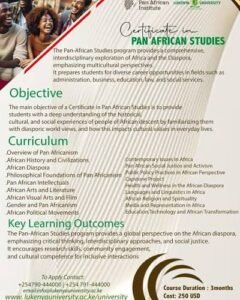
images 35 Download Past Paper On Studies in African Diaspora and Pan-Africanism for Revision

Download Past Paper On Studies in African Diaspora and Pan-Africanism for Revision

Are you looking for Studies in African Diaspora and Pan-Africanism...