Carmen Electra: Carmen Electra, born Tara Leigh Patrick, is an American actress, singer, dancer, model, and television personality. She has been a household name for decades, known for her roles in popular shows like “Baywatch” and “Singled Out,” as well as her appearances in Playboy magazine. But beyond the glitz and glamour, there’s more to Carmen Electra than meets the eye. Here are 7 interesting facts about her, including her relationship timeline:

Carmen Electra looking nice

1. She was a cheerleader for the Cincinnati Bengals:

Before becoming a star, Carmen Electra was a cheerleader for the Cincinnati Bengals NFL team. This experience helped her develop her athleticism and stage presence, which would later come in handy for her entertainment career.

2. She was originally a singer:

While she is best known for her acting, Carmen Electra started as a singer. She was a member of the girl group “Dance Party USA,” which released one album in 1990. Although the group didn’t achieve mainstream success, it helped Carmen get her foot in the door of the entertainment industry.

3. She was once married to Dennis Rodman:

One of her most high-profile relationships was with basketball star Dennis Rodman. The couple had a whirlwind romance and married in 1998, but the marriage was short-lived and they divorced just nine days later. Despite the brevity of their marriage, it remains one of the most talked-about celebrity relationships of the 90s.
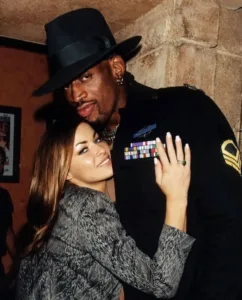
Carmen electra and Dennis Rodman

4. She is a successful businesswoman:

She is not just a pretty face. She is also a savvy businesswoman who has built a successful empire for herself. She has her clothing line, fragrance, and production company. She is also a popular brand ambassador and has appeared in numerous advertising campaigns.

5. She is a passionate advocate for animal welfare:

Carmen Electra is a dedicated animal lover and a vocal advocate for animal welfare. She has partnered with several animal rights organizations and has spoken out against animal cruelty. She is also a vegetarian and encourages others to adopt a plant-based lifestyle.

6. She is a cancer survivor:

In 2015, she was diagnosed with thyroid cancer. She underwent surgery and treatment and is now cancer-free. She has spoken openly about her experience to raise awareness about the disease.

Carmen Electra at the red carpet

7. She is still going strong:

At 50 years old, Carmen Electra is still a force to be reckoned with. She continues to work in film and television and is also active on social media. She is an inspiration to women of all ages to embrace their beauty and strength and to live life to the fullest.

Carmen Electra’s relationship history has been as colorful and exciting as her career. She has dated some of the most famous and successful men in the world, but she has also experienced her fair share of heartbreak. Despite the ups and downs, Carmen Electra has remained optimistic, and she continues to live life to the fullest.

Carmen Electra is a complex and fascinating woman who has achieved success in a variety of fields. She is an inspiration to women of all ages and a reminder that anything is possible with hard work and determination.

PHOTO CREDIT

OTHER ARTICLES OF THE DAY

WRITTEN BY COLLINS

FAQs and answers

1. What is Carmen Electra’s full name?

Carmen Electra’s full name is Tara Leigh Patrick. She adopted the name “Carmen Electra” after her time as a dancer with the group “The Pussycat Dolls.” Her stage name was inspired by actress Rita Hayworth’s character in Gilda.

Reference: Biography.com


2. When was Carmen Electra born?

Carmen Electra was born on April 20, 1972, in Sharonville, Ohio, USA. She rose to fame in the 1990s with her role in Baywatch and later as a pop culture icon.

Reference: IMDb


3. What was Carmen Electra’s first big break in Hollywood?

Carmen Electra’s first major break came when she was spotted by musician Prince, who signed her to his record label, Paisley Park Records. She released her debut album in 1993, which was followed by her role in Baywatch in 1997.

Reference: Rolling Stone


4. Who has Carmen Electra been married to?

Carmen Electra has been married twice. Her first marriage was to basketball player Dennis Rodman in 1998, which lasted for nine days. Her second marriage was to musician Dave Navarro in 2003, and they divorced in 2007.

Reference: People Magazine


5. What is Carmen Electra’s relationship timeline?

Carmen Electra’s relationship timeline includes several high-profile romances. She was married to Dennis Rodman, then to Dave Navarro, followed by a relationship with actor Simon Cowell. Most recently, she has been linked with various personalities but keeps her private life out of the spotlight.

Reference: Elle


6. Does Carmen Electra have children?

No, Carmen Electra does not have children. Although she has been married twice, she has kept her personal life relatively private regarding family matters.

Reference: E! Online


7. What is Carmen Electra’s career today?

Carmen Electra continues to work in television and film, focusing on acting, producing, and appearing in reality shows. She also has a strong social media presence where she shares her lifestyle and fitness routines.

Reference: Vulture

Back to Mpya News Home page: Education, Fashion, Law, business and sports

Last updated on: February 5, 2025

New information gained / new value takehome

  • Carmen Electra: Carmen Electra, born Tara Leigh Patrick, is an American actress, singer, dancer, model, and television personality.
  • She has been a household name for decades, known for her roles in popular shows like “Baywatch” and “Singled Out,” as well as her appearances in Playboy magazine.
  • But beyond the glitz and glamour, there’s more to Carmen Electra than meets the eye.
  • Here are 7 interesting facts about her, including her relationship timeline: 1.
  • She was a cheerleader for the Cincinnati Bengals: Before becoming a star, Carmen Electra was a cheerleader for the Cincinnati Bengals NFL team.
Verified Content

This content was developed using AI as part of our research process. To ensure absolute accuracy, all information has been rigorously fact-checked and validated by our human editor, Collins Murithi.

External resource 1: BBC World News Coverage

External resource 2: Reuters Global Agency

Reference 1: The New York Times International

Reference 2: Al Jazeera News Updates

Reference 3: Associated Press Official


Photo credit: instagram.com

About

Digital entrepreneur and content specialist at MPYA News, focused on delivering high-quality insights and resources.

Latest Posts

Download Past Paper On Educational Communication and Information Technology For Revision

Educational Communication and Information Technology is an important subject for...

Educational Communication and Information Technology is an essential subject for students pursuing education and teaching-related courses. It explores how communication skills, instructional resources, and modern technologies contribute to effective teaching and learning. Students preparing for examinations can use Educational Communication and Information Technology past papers alongside lecture notes, textbooks, and revision questions to strengthen their understanding. What is Educational Communication and Information Technology? Educational Communication and Information Technology refers to the application of communication principles and technological tools in educational settings. It helps teachers deliver information effectively and enables learners to access, process, and share knowledge through different channels. The subject includes communication processes, instructional media, computer applications, internet services, multimedia, e-learning, and digital educational resources. Why are Educational Communication and Information Technology past papers important? Past papers help students practise answering examination questions and become familiar with different question formats. They can also help learners identify areas that need more revision and improve their ability to manage examination time. Practising Educational Communication and Information Technology past exam papers alongside course notes can make preparation more organised. Which topics should students revise? Students should revise the main topics covered in their syllabus. These may include: Meaning and importance of communication in education Elements and models of communication Barriers to effective communication Verbal and non-verbal communication Instructional media and teaching aids Computer applications in education Internet services and digital learning resources Multimedia and e-learning Educational broadcasting Advantages and challenges of educational technology These topics provide a useful starting point for Educational Communication and Information Technology revision questions. What is the communication process? The communication process involves the exchange of information between a sender and a receiver. The sender develops a message, selects a channel, and transmits the information. The receiver interprets the message and may provide feedback. In a classroom, for example, a teacher explains a concept, learners listen and interpret the information, and their questions or responses provide feedback. What are the main elements of communication? The main elements include the sender, message, encoding, channel, receiver, decoding, feedback, and context. Noise can interfere with the process and affect understanding. Students should know the functions of these elements because they are useful when answering Educational Communication and Information Technology exam questions. What is the difference between verbal and non-verbal communication? Verbal communication uses spoken or written words to convey information. Examples include classroom discussions, lectures, textbooks, and written instructions. Non-verbal communication involves conveying meaning through gestures, facial expressions, posture, eye contact, and other visual signals. Teachers often use both forms to explain concepts and interact with learners. What are the barriers to effective communication? Communication barriers are factors that prevent a message from being transmitted or understood clearly. Examples include language differences, poor listening, unclear explanations, excessive classroom noise, cultural differences, and technical difficulties. Teachers can reduce these barriers by using clear language, encouraging questions, choosing suitable communication channels, and checking learners’ understanding. What is instructional media? Instructional media refers to materials and resources used to support teaching and learning. Examples include charts, diagrams, maps, models, photographs, audio recordings, videos, projectors, and computers. The appropriate teaching aid depends on the lesson objectives, subject content, learners’ needs, and available resources. How does information technology support education? Information technology supports education by helping users create, store, process, retrieve, and share information. Computers, mobile devices, digital platforms, and internet services can support research, classroom teaching, communication, assessment, and access to learning materials. However, effective use requires suitable resources, digital skills, and appropriate planning. What is e-learning? E-learning is the delivery or support of learning through electronic and digital technologies. It may involve virtual classrooms, online lessons, learning management systems, electronic textbooks, recorded lectures, and online assignments. Students preparing Educational Communication and Information Technology questions and answers should understand the meaning, benefits, and limitations of e-learning. What are the advantages and disadvantages of educational technology? Educational technology can improve access to information, support interactive lessons, encourage collaboration, and provide flexible learning opportunities. It can also help teachers present complex concepts through images, audio, and video. Possible disadvantages include high equipment costs, unreliable internet connections, unequal access to devices, technical problems, and distractions. Students should be able to discuss both benefits and challenges. How can students use past papers effectively? Students should attempt Educational Communication and Information Technology past papers before looking at their notes. After completing a paper, they can review mistakes, revisit difficult topics, and practise similar questions. Searching for Educational Communication and Information Technology past papers PDF can help students locate additional revision resources through authorised educational sources. How should students answer examination questions? Students should read each question carefully and identify the instruction. Words such as “define,” “explain,” “discuss,” “outline,” and “compare” require different responses. For essay questions, students should introduce the topic, explain each main point clearly, provide relevant examples where appropriate, and finish with a conclusion. Conclusion Preparing with Educational Communication and Information Technology past papers, exam questions, revision notes, and textbooks can help students develop a better understanding of the subject. Consistent revision and timed practice can improve knowledge, answer organisation, and examination skills.Educational Communication and Information Technology is an essential subject for students pursuing education and teaching-related courses. It explores how communication skills, instructional resources, and modern technologies contribute to effective teaching and learning. Students preparing for examinations can use Educational Communication and Information Technology past papers alongside lecture notes, textbooks, and revision questions to strengthen their understanding. What is Educational Communication and Information Technology? Educational Communication and Information Technology refers to the application of communication principles and technological tools in educational settings. It helps teachers deliver information effectively and enables learners to access, process, and share knowledge through different channels. The subject includes communication processes, instructional media, computer applications, internet services, multimedia, e-learning, and digital educational resources. Why are Educational Communication and Information Technology past papers important? Past papers help students practise answering examination questions and become familiar with different question formats. They can also help learners identify areas that need more revision and improve their ability to manage examination time. Practising Educational Communication and Information Technology past exam papers alongside course notes can make preparation more organised. Which topics should students revise? Students should revise the main topics covered in their syllabus. These may include: Meaning and importance of communication in education Elements and models of communication Barriers to effective communication Verbal and non-verbal communication Instructional media and teaching aids Computer applications in education Internet services and digital learning resources Multimedia and e-learning Educational broadcasting Advantages and challenges of educational technology These topics provide a useful starting point for Educational Communication and Information Technology revision questions. What is the communication process? The communication process involves the exchange of information between a sender and a receiver. The sender develops a message, selects a channel, and transmits the information. The receiver interprets the message and may provide feedback. In a classroom, for example, a teacher explains a concept, learners listen and interpret the information, and their questions or responses provide feedback. What are the main elements of communication? The main elements include the sender, message, encoding, channel, receiver, decoding, feedback, and context. Noise can interfere with the process and affect understanding. Students should know the functions of these elements because they are useful when answering Educational Communication and Information Technology exam questions. What is the difference between verbal and non-verbal communication? Verbal communication uses spoken or written words to convey information. Examples include classroom discussions, lectures, textbooks, and written instructions. Non-verbal communication involves conveying meaning through gestures, facial expressions, posture, eye contact, and other visual signals. Teachers often use both forms to explain concepts and interact with learners. What are the barriers to effective communication? Communication barriers are factors that prevent a message from being transmitted or understood clearly. Examples include language differences, poor listening, unclear explanations, excessive classroom noise, cultural differences, and technical difficulties. Teachers can reduce these barriers by using clear language, encouraging questions, choosing suitable communication channels, and checking learners’ understanding. What is instructional media? Instructional media refers to materials and resources used to support teaching and learning. Examples include charts, diagrams, maps, models, photographs, audio recordings, videos, projectors, and computers. The appropriate teaching aid depends on the lesson objectives, subject content, learners’ needs, and available resources. How does information technology support education? Information technology supports education by helping users create, store, process, retrieve, and share information. Computers, mobile devices, digital platforms, and internet services can support research, classroom teaching, communication, assessment, and access to learning materials. However, effective use requires suitable resources, digital skills, and appropriate planning. What is e-learning? E-learning is the delivery or support of learning through electronic and digital technologies. It may involve virtual classrooms, online lessons, learning management systems, electronic textbooks, recorded lectures, and online assignments. Students preparing Educational Communication and Information Technology questions and answers should understand the meaning, benefits, and limitations of e-learning. What are the advantages and disadvantages of educational technology? Educational technology can improve access to information, support interactive lessons, encourage collaboration, and provide flexible learning opportunities. It can also help teachers present complex concepts through images, audio, and video. Possible disadvantages include high equipment costs, unreliable internet connections, unequal access to devices, technical problems, and distractions. Students should be able to discuss both benefits and challenges. How can students use past papers effectively? Students should attempt Educational Communication and Information Technology past papers before looking at their notes. After completing a paper, they can review mistakes, revisit difficult topics, and practise similar questions. Searching for Educational Communication and Information Technology past papers PDF can help students locate additional revision resources through authorised educational sources. How should students answer examination questions? Students should read each question carefully and identify the instruction. Words such as “define,” “explain,” “discuss,” “outline,” and “compare” require different responses. For essay questions, students should introduce the topic, explain each main point clearly, provide relevant examples where appropriate, and finish with a conclusion. Conclusion Preparing with Educational Communication and Information Technology past papers, exam questions, revision notes, and textbooks can help students develop

Educational Communication and Information Technology is an important subject for...

Download Past Paper On Introduction to the Study of Language For Revision

Are you looking for Introduction to the Study of Language...

images 35 Download Past Paper On Studies in African Diaspora and Pan-Africanism for Revision

Download Past Paper On Studies in African Diaspora and Pan-Africanism for Revision

Are you looking for Studies in African Diaspora and Pan-Africanism...