Autumn Season: As the vibrant hues of summer fade away, the arrival of autumn brings a breathtaking transformation to the world around us. This season, also known as fall, is a time of profound change, marked by cooler temperatures, falling leaves, and a sense of tranquility. Dive into the wonders of autumn with these 19 eye-opening facts that illuminate the beauty and significance of this enchanting season.
1. The Science Behind Fall Colors
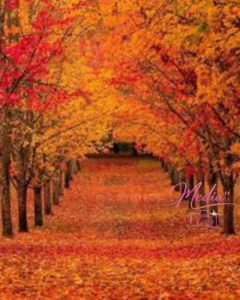
Autumn leaves don’t simply turn red, orange, and yellow by chance. The changing colors result from the breakdown of chlorophyll, revealing other pigments like carotenoids and anthocyanins.

2. Migration Marvels
Many bird species embark on impressive journeys during the fall, migrating to warmer climates. Witnessing flocks of geese or monarch butterflies is a testament to the marvels of autumn migration.
3. Harvest Moon
The full moon closest to the autumn equinox is known as the Harvest Moon. Its bright light traditionally helped farmers gather crops during the extended evening hours.
4. Equinox Equilibrium
The autumn equinox occurs around September 22nd in the Northern Hemisphere, marking the day when day and night are roughly equal in length. It symbolizes a balance between light and darkness.
5. Apple Orchards Abound
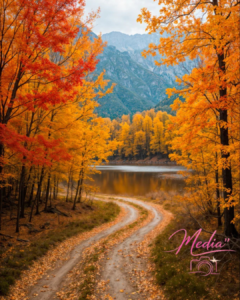
Autumn is synonymous with apple picking. Orchards come alive with the scent of ripe apples, and families indulge in the tradition of selecting their own crisp favorites.
6. Pumpkin Craze
From lattes to pies, autumn is the season of pumpkin everything. The iconic orange gourd becomes a culinary sensation, capturing the essence of fall in every bite.
7. Sweater Weather
As temperatures drop, cozy sweaters make their comeback. Autumn ushers in a wardrobe shift, inviting us to embrace layers and relish the comfort of warm knits.
8. Fungi Foraging
Mushroom enthusiasts rejoice in autumn, as this season is prime time for foraging fungi. Forest floors become a treasure trove of diverse mushroom species.
9. Crisp Air and Clear Skies
Autumn air carries a distinct crispness, and clear skies offer a perfect backdrop for stargazing. The cooler temperatures make outdoor activities more enjoyable.
10. Cider Celebrations
Apple cider takes center stage during autumn. Whether hot or cold, spiced or plain, this beloved beverage embodies the essence of the season.
11. Fall Foliage Tourism
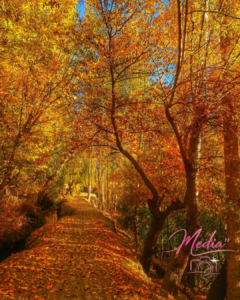
The changing colors of autumn leaves draw tourists worldwide. Areas like New England in the United States are renowned for their breathtaking fall foliage.
12. Animal Preparation
Many animals prepare for winter during autumn, storing food and adapting to the impending cold. Squirrels, for example, are busy collecting and burying nuts for the winter months.
13. Festival Flourish
Autumn festivals celebrate the season’s abundance. From harvest festivals to Oktoberfest, communities worldwide come together to revel in the joys of fall.
14. Autumnal Equine Phenomenon
Horses often display increased energy and playfulness during the fall. This phenomenon, known as “fall friskiness,” is attributed to cooler temperatures and lower humidity.


15. The Symbolism of Falling Leaves
Falling leaves aren’t just a picturesque sight. They symbolize nature’s cycle of renewal and remind us of the transient beauty of life.
16. Halloween Haunts
Autumn sets the stage for Halloween, a festivity rooted in ancient traditions. From spooky decorations to creative costumes, this season brings out the playful and imaginative spirit in people of all ages.
17. Autumnal Equinox Celebrations
Various cultures celebrate the autumn equinox with rituals and ceremonies. These traditions often emphasize gratitude for the harvest and a connection to the Earth.
18. Preserving Autumn Leaves
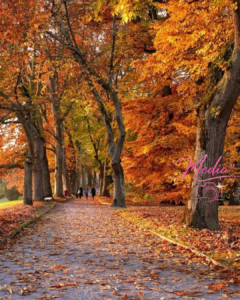
Pressing and preserving colorful autumn leaves is a popular activity. Many enthusiasts use them for crafts, creating lasting mementos of the season’s beauty.
19. Nature’s Symphony
Autumn is a time of natural symphony, with the rustling of leaves, the honking of migrating geese, and the crisp sound of footsteps on fallen foliage. Embrace the unique soundtrack of fall.
As we bid farewell to summer and welcome the cool embrace of autumn, let these 19 facts deepen your appreciation for the wonders that unfold during this transformative season. Whether you’re sipping on cider, strolling through a pumpkin patch, or simply enjoying the changing scenery, autumn invites us to connect with nature and relish in the magic of change.
20 FAQs on Autumn Season Facts
Section 1: The Science & Chemistry of Autumn
-
What actually causes the autumn season to occur?
-
Autumn is triggered by the tilt of the Earth’s axis, not its distance from the sun. As the Northern Hemisphere tilts away from the sun, the days become shorter and temperatures drop, signaling the start of the season.
-
-
Why do leaves change color in the fall?
-
As daylight decreases, deciduous plants stop producing chlorophyll (the pigment that makes leaves green and helps them make food). When the green fades away, underlying pigments like yellow, orange, and red finally get their chance to shine.
-
-
What pigments give autumn leaves their specific colors?
-
The brilliant yellow and orange colors come from carotenoids and xanthophylls (the same pigments found in carrots and corn). The deep reds and purples are caused by anthocyanins, which are produced in the fall when sugars get trapped in the leaves.
-
-
Do leaves change color at the same time everywhere?
-
No. The timing depends heavily on latitude and altitude. Colors peak earlier in northern regions and higher elevations due to cooler night temperatures and rapidly shortening days.
-
-
Why do trees drop their leaves before winter?
-
Dropping leaves is a survival mechanism. Twigs and leaves would freeze and damage the tree during harsh winter conditions. By shedding them, trees conserve water, protect their branches from heavy snow loads, and enter a state of winter dormancy.
-
Section 2: Surprising Global & Astronomical Facts
-
Are there two different start dates for autumn?
-
Yes. Astronomical autumn begins with the equinox (around September 21-23 in the Northern Hemisphere). Meteorological autumn begins earlier, on September 1, based on annual temperature cycles and the calendar grouping used by climatologists.
-
-
What exactly happens during the Autumn Equinox?
-
During the equinox, the sun shines directly on the Earth’s equator. This results in nearly equal amounts of daylight and darkness across the entire globe—roughly 12 hours of each.
-
-
Is autumn experienced at the same time globally?
-
No. While the Northern Hemisphere experiences autumn from September through November, the Southern Hemisphere (including Australia, South Africa, and parts of South America) experiences its autumn from March through May.
-
-
Does autumn happen on other planets?
-
Yes, any planet with an axial tilt experiences seasons. For instance, Saturn has distinct seasons, but because its orbit is so massive, each season lasts for roughly seven Earth years!
-


Section 3: Nature, Wildlife, & Psychological Effects
-
How do animals know when it is time to prepare for autumn?
-
Animals rely on photoperiodism—the response of organisms to the changing lengths of day and night. The shortening days trigger hormonal changes that prompt migration, hibernation, or food gathering.
-
-
Why do birds migrate in V-formations during the fall?
-
The V-shape serves two major purposes: it reduces wind resistance for the birds flying behind the leader (saving them immense energy), and it allows the flock to maintain clear visual contact with one another.
-
-
What is “global cooling” during the autumn season?
-
Due to the massive amount of landmass in the Northern Hemisphere losing its foliage and cooling down, the average temperature of the entire planet drops slightly during this time of year.
-
-
Why do people feel happier or cozier in the fall?
-
Psychologists often attribute the “cozy feeling” of autumn to cultural conditioning and nostalgia. The return of routines, holiday anticipation, and comfortable cool weather trigger positive emotional responses for many people.
-
-
Is there a biological reason we crave heavier foods in autumn?
-
Yes. As temperatures drop, an evolutionary survival mechanism prompts humans to seek out higher-calorie, nutrient-dense foods to build fat reserves for the winter—even though modern heating and grocery stores make it unnecessary.
-
Section 4: History, Myths, & Cultural Traditions
-
What is the origin of the word “autumn”?
-
The word comes from the ancient Latin autumnus, which relates to the increase or enrichment of the harvest. Before the 16th century, the season was simply referred to in English as “Harvest.”
-
-
Where did the term “fall” come from?
-
“Fall” became a popular alternative term in 17th-century England, short for the poetic phrase “the fall of the leaf.” While Britain eventually favored “autumn,” the term “fall” moved across the Atlantic and became standard in American English.
-
-
What is the significance of the “Harvest Moon”?
-
The Harvest Moon is the full moon closest to the autumn equinox. Historically, its bright, prolonged light allowed farmers to continue harvesting their crops late into the night before the arrival of winter.
-
-
Why are pumpkins so closely associated with autumn?
-
Pumpkins are native to North America and are harvested in late summer and early fall. Early settlers used them out of necessity because they stored well through the winter, cementing their status as a symbol of the autumn harvest.
-
-
What ancient mythology explains the arrival of autumn?
-
In Greek mythology, autumn begins when Persephone returns to the underworld to spend six months with Hades. Her mother, Demeter (the goddess of agriculture), grieves her absence, causing plants to wither and the Earth to cool down.
-
-
Can you see the Northern Lights better during autumn?
-
Surprisingly, yes. Geomagnetic disturbances that cause the Aurora Borealis occur more frequently around the autumn and spring equinoxes than they do during the dead of summer or winter, making fall a prime time for sky-watching.
-


OTHER TOP ARTICLES OF THE DAY;
Back to Mpya News Home page: Education, Fashion, Law, business and sports
Last updated on: June 3, 2026
New information gained / new value takehome
- The changing colors result from the breakdown of chlorophyll, revealing other pigments like carotenoids and anthocyanins.
- Areas like New England in the United States are renowned for their breathtaking fall foliage.
- They symbolize nature’s cycle of renewal and remind us of the transient beauty of life.
- This results in nearly equal amounts of daylight and darkness across the entire globe—roughly 12 hours of each.
- For instance, Saturn has distinct seasons, but because its orbit is so massive, each season lasts for roughly seven Earth years!
- Early settlers used them out of necessity because they stored well through the winter, cementing their status as a symbol of the autumn harvest.
This content was developed using AI as part of our research process. To ensure absolute accuracy, all information has been rigorously fact-checked and validated by our human editor, Rodgers Mwenda.
External resource 1: BBC World News Coverage
External resource 2: Reuters Global Agency
Reference 1: The New York Times International
Reference 2: Al Jazeera News Updates
Reference 3: Associated Press Official
Photo credit: instagram.com