Kamala Das: Kamala Das, born Kamala Surayya, was a prominent Indian poet, short-story writer, and essayist who left an indelible mark on the literary landscape. Here are 17 interesting facts about this enigmatic literary figure.

1. Multilingual Mastery

Kamala Das was fluent in several languages, including Malayalam, English, and Hindi. Her linguistic versatility allowed her to express her thoughts and emotions with a rich tapestry of words.

Kamala Das

2. Pseudonyms and Pen Names

Throughout her career, Das wrote under various pseudonyms, including Madhavikutty and Kamala Surayya. Each persona reflected a different facet of her complex identity, allowing her to explore diverse themes and styles.

3. A Family of Literary Giants

Das hailed from a family of literary luminaries. Her father, V. M. Nair, was a renowned literary figure, and her great uncle, Nalapat Narayana Menon, was a prominent Malayalam writer.

4. Rebel With a Cause

Known for her bold and uninhibited writing, Das challenged societal norms and conventions. Her openness about female sexuality, love, and desire was groundbreaking in a conservative Indian society.

5. International Acclaim

Das’s literary prowess gained international recognition. Her works were translated into several languages, broadening her appeal beyond the Indian subcontinent.

6. First Love – Poetry

Although Das excelled in various literary forms, poetry held a special place in her heart. Her poetic works, including “The Dance of the Eunuchs” and “An Introduction,” are celebrated for their raw honesty and emotional depth.

Kamala Das: First Love – Poetry

7. Iconoclastic Autobiography

Her autobiography, “My Story,” created waves due to its candid exploration of her personal life, relationships, and struggles. The book was considered controversial for its explicit content and honesty.

8. Political Stint

Das briefly entered politics, serving as a member of the Kerala Legislative Assembly. However, her political career was short-lived, as she felt constrained by the bureaucratic and political machinery.

9. Award-Winning Prodigy

Recognizing her literary contributions, Das received numerous awards, including the Kendra Sahitya Academy Award and the Asian World Prize. These accolades underscored her impact on the literary world.

10. A Literary Doyenne

Kamala Das held prestigious positions, such as the Vice-Chairperson of the Kerala Sahitya Academy, further solidifying her role as a literary icon and influencer.

11. Battling Depression

Despite her literary success, Das faced personal struggles, including battles with depression. Her writing often served as a therapeutic outlet for her emotional turmoil.

12. Conversions and Controversy

Kamala Das’ conversion to Islam in 1999 stirred controversy. She adopted the name Kamala Surayya and explained that her decision was driven by a spiritual quest rather than political or social considerations.

13. Fondness for Fiction

In addition to her poetry and autobiography, Das was an accomplished fiction writer. Her short stories, such as “Padmavati the Harlot,” showcased her storytelling prowess and narrative finesse.

14. Legacy Through Progeny

Her literary legacy lives on through her children, including the accomplished writer and editor Madhav Das Nalapat.

15. Women’s Rights Advocate

Das was an ardent advocate for women’s rights. Her writings often delved into the complexities of womanhood and the societal expectations placed upon women.

Kamala Das: Women's Rights Advocate

16. Posthumous Recognition

After her death in 2009, Kamala Das continued to receive recognition for her contributions to literature. Posthumous awards and honors cemented her status as a literary luminary.

17. Enduring Influence

Kamala Das’ impact on Indian literature endures, with scholars, writers, and readers continuing to engage with and analyze her works. Her fearless exploration of human emotions and societal taboos makes her a timeless figure in the literary canon.

Kamala Das, with her linguistic brilliance, literary versatility, and rebellious spirit, remains an influential figure in the world of literature. Her legacy extends far beyond her lifetime, leaving an indelible mark on the literary landscape.

PHOTO CREDIT

WRITTEN BY COLLINS

OTHER ARTICLES OF THE DAY


Back to Mpya News Home page: Education, Fashion, Law, business and sports

Last updated on: January 8, 2024

New information gained / new value takehome

  • Kamala Das: Kamala Das, born Kamala Surayya, was a prominent Indian poet, short-story writer, and essayist who left an indelible mark on the literary landscape.
  • Here are 17 interesting facts about this enigmatic literary figure.
  • 1.
  • Multilingual Mastery Kamala Das was fluent in several languages, including Malayalam, English, and Hindi.
  • Her linguistic versatility allowed her to express her thoughts and emotions with a rich tapestry of words.
Verified Content

This content was developed using AI as part of our research process. To ensure absolute accuracy, all information has been rigorously fact-checked and validated by our human editor, Collins Murithi.

External resource 1: BBC World News Coverage

External resource 2: Reuters Global Agency

Reference 1: The New York Times International

Reference 2: Al Jazeera News Updates

Reference 3: Associated Press Official


Photo credit: instagram.com

About

Digital entrepreneur and content specialist at MPYA News, focused on delivering high-quality insights and resources.

Latest Posts

Download Past Paper On Educational Communication and Information Technology For Revision

Educational Communication and Information Technology is an important subject for...

Educational Communication and Information Technology is an essential subject for students pursuing education and teaching-related courses. It explores how communication skills, instructional resources, and modern technologies contribute to effective teaching and learning. Students preparing for examinations can use Educational Communication and Information Technology past papers alongside lecture notes, textbooks, and revision questions to strengthen their understanding. What is Educational Communication and Information Technology? Educational Communication and Information Technology refers to the application of communication principles and technological tools in educational settings. It helps teachers deliver information effectively and enables learners to access, process, and share knowledge through different channels. The subject includes communication processes, instructional media, computer applications, internet services, multimedia, e-learning, and digital educational resources. Why are Educational Communication and Information Technology past papers important? Past papers help students practise answering examination questions and become familiar with different question formats. They can also help learners identify areas that need more revision and improve their ability to manage examination time. Practising Educational Communication and Information Technology past exam papers alongside course notes can make preparation more organised. Which topics should students revise? Students should revise the main topics covered in their syllabus. These may include: Meaning and importance of communication in education Elements and models of communication Barriers to effective communication Verbal and non-verbal communication Instructional media and teaching aids Computer applications in education Internet services and digital learning resources Multimedia and e-learning Educational broadcasting Advantages and challenges of educational technology These topics provide a useful starting point for Educational Communication and Information Technology revision questions. What is the communication process? The communication process involves the exchange of information between a sender and a receiver. The sender develops a message, selects a channel, and transmits the information. The receiver interprets the message and may provide feedback. In a classroom, for example, a teacher explains a concept, learners listen and interpret the information, and their questions or responses provide feedback. What are the main elements of communication? The main elements include the sender, message, encoding, channel, receiver, decoding, feedback, and context. Noise can interfere with the process and affect understanding. Students should know the functions of these elements because they are useful when answering Educational Communication and Information Technology exam questions. What is the difference between verbal and non-verbal communication? Verbal communication uses spoken or written words to convey information. Examples include classroom discussions, lectures, textbooks, and written instructions. Non-verbal communication involves conveying meaning through gestures, facial expressions, posture, eye contact, and other visual signals. Teachers often use both forms to explain concepts and interact with learners. What are the barriers to effective communication? Communication barriers are factors that prevent a message from being transmitted or understood clearly. Examples include language differences, poor listening, unclear explanations, excessive classroom noise, cultural differences, and technical difficulties. Teachers can reduce these barriers by using clear language, encouraging questions, choosing suitable communication channels, and checking learners’ understanding. What is instructional media? Instructional media refers to materials and resources used to support teaching and learning. Examples include charts, diagrams, maps, models, photographs, audio recordings, videos, projectors, and computers. The appropriate teaching aid depends on the lesson objectives, subject content, learners’ needs, and available resources. How does information technology support education? Information technology supports education by helping users create, store, process, retrieve, and share information. Computers, mobile devices, digital platforms, and internet services can support research, classroom teaching, communication, assessment, and access to learning materials. However, effective use requires suitable resources, digital skills, and appropriate planning. What is e-learning? E-learning is the delivery or support of learning through electronic and digital technologies. It may involve virtual classrooms, online lessons, learning management systems, electronic textbooks, recorded lectures, and online assignments. Students preparing Educational Communication and Information Technology questions and answers should understand the meaning, benefits, and limitations of e-learning. What are the advantages and disadvantages of educational technology? Educational technology can improve access to information, support interactive lessons, encourage collaboration, and provide flexible learning opportunities. It can also help teachers present complex concepts through images, audio, and video. Possible disadvantages include high equipment costs, unreliable internet connections, unequal access to devices, technical problems, and distractions. Students should be able to discuss both benefits and challenges. How can students use past papers effectively? Students should attempt Educational Communication and Information Technology past papers before looking at their notes. After completing a paper, they can review mistakes, revisit difficult topics, and practise similar questions. Searching for Educational Communication and Information Technology past papers PDF can help students locate additional revision resources through authorised educational sources. How should students answer examination questions? Students should read each question carefully and identify the instruction. Words such as “define,” “explain,” “discuss,” “outline,” and “compare” require different responses. For essay questions, students should introduce the topic, explain each main point clearly, provide relevant examples where appropriate, and finish with a conclusion. Conclusion Preparing with Educational Communication and Information Technology past papers, exam questions, revision notes, and textbooks can help students develop a better understanding of the subject. Consistent revision and timed practice can improve knowledge, answer organisation, and examination skills.Educational Communication and Information Technology is an essential subject for students pursuing education and teaching-related courses. It explores how communication skills, instructional resources, and modern technologies contribute to effective teaching and learning. Students preparing for examinations can use Educational Communication and Information Technology past papers alongside lecture notes, textbooks, and revision questions to strengthen their understanding. What is Educational Communication and Information Technology? Educational Communication and Information Technology refers to the application of communication principles and technological tools in educational settings. It helps teachers deliver information effectively and enables learners to access, process, and share knowledge through different channels. The subject includes communication processes, instructional media, computer applications, internet services, multimedia, e-learning, and digital educational resources. Why are Educational Communication and Information Technology past papers important? Past papers help students practise answering examination questions and become familiar with different question formats. They can also help learners identify areas that need more revision and improve their ability to manage examination time. Practising Educational Communication and Information Technology past exam papers alongside course notes can make preparation more organised. Which topics should students revise? Students should revise the main topics covered in their syllabus. These may include: Meaning and importance of communication in education Elements and models of communication Barriers to effective communication Verbal and non-verbal communication Instructional media and teaching aids Computer applications in education Internet services and digital learning resources Multimedia and e-learning Educational broadcasting Advantages and challenges of educational technology These topics provide a useful starting point for Educational Communication and Information Technology revision questions. What is the communication process? The communication process involves the exchange of information between a sender and a receiver. The sender develops a message, selects a channel, and transmits the information. The receiver interprets the message and may provide feedback. In a classroom, for example, a teacher explains a concept, learners listen and interpret the information, and their questions or responses provide feedback. What are the main elements of communication? The main elements include the sender, message, encoding, channel, receiver, decoding, feedback, and context. Noise can interfere with the process and affect understanding. Students should know the functions of these elements because they are useful when answering Educational Communication and Information Technology exam questions. What is the difference between verbal and non-verbal communication? Verbal communication uses spoken or written words to convey information. Examples include classroom discussions, lectures, textbooks, and written instructions. Non-verbal communication involves conveying meaning through gestures, facial expressions, posture, eye contact, and other visual signals. Teachers often use both forms to explain concepts and interact with learners. What are the barriers to effective communication? Communication barriers are factors that prevent a message from being transmitted or understood clearly. Examples include language differences, poor listening, unclear explanations, excessive classroom noise, cultural differences, and technical difficulties. Teachers can reduce these barriers by using clear language, encouraging questions, choosing suitable communication channels, and checking learners’ understanding. What is instructional media? Instructional media refers to materials and resources used to support teaching and learning. Examples include charts, diagrams, maps, models, photographs, audio recordings, videos, projectors, and computers. The appropriate teaching aid depends on the lesson objectives, subject content, learners’ needs, and available resources. How does information technology support education? Information technology supports education by helping users create, store, process, retrieve, and share information. Computers, mobile devices, digital platforms, and internet services can support research, classroom teaching, communication, assessment, and access to learning materials. However, effective use requires suitable resources, digital skills, and appropriate planning. What is e-learning? E-learning is the delivery or support of learning through electronic and digital technologies. It may involve virtual classrooms, online lessons, learning management systems, electronic textbooks, recorded lectures, and online assignments. Students preparing Educational Communication and Information Technology questions and answers should understand the meaning, benefits, and limitations of e-learning. What are the advantages and disadvantages of educational technology? Educational technology can improve access to information, support interactive lessons, encourage collaboration, and provide flexible learning opportunities. It can also help teachers present complex concepts through images, audio, and video. Possible disadvantages include high equipment costs, unreliable internet connections, unequal access to devices, technical problems, and distractions. Students should be able to discuss both benefits and challenges. How can students use past papers effectively? Students should attempt Educational Communication and Information Technology past papers before looking at their notes. After completing a paper, they can review mistakes, revisit difficult topics, and practise similar questions. Searching for Educational Communication and Information Technology past papers PDF can help students locate additional revision resources through authorised educational sources. How should students answer examination questions? Students should read each question carefully and identify the instruction. Words such as “define,” “explain,” “discuss,” “outline,” and “compare” require different responses. For essay questions, students should introduce the topic, explain each main point clearly, provide relevant examples where appropriate, and finish with a conclusion. Conclusion Preparing with Educational Communication and Information Technology past papers, exam questions, revision notes, and textbooks can help students develop

Educational Communication and Information Technology is an important subject for...

Download Past Paper On Introduction to the Study of Language For Revision

Are you looking for Introduction to the Study of Language...

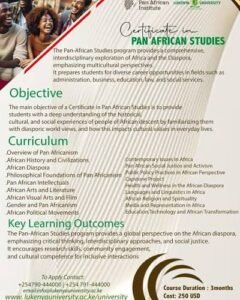
images 35 Download Past Paper On Studies in African Diaspora and Pan-Africanism for Revision

Download Past Paper On Studies in African Diaspora and Pan-Africanism for Revision

Are you looking for Studies in African Diaspora and Pan-Africanism...