Playa del Carmen: Playa del Carmen is a vibrant tourist destination known for its stunning beaches, buzzing nightlife, and luxurious resorts. However, beyond the mainstream attractions, there’s a whole world of hidden gems waiting to be discovered.

From secluded cenotes and ancient Mayan ruins to charming local markets and vibrant art galleries, Playa del Carmen offers unique experiences for the adventurous traveler.

Here are 13 hidden gems to add to your itinerary:

1. Cenote Chaak Tun: Playa del Carmen

This mesmerizing cenote is located just a short drive from Playa del Carmen and offers a truly magical experience. Sunlight streams through the openings in the cavern roof, illuminating the crystal-clear waters and creating a breathtaking spectacle.

You can swim, snorkel, or simply relax on the platforms and take in the beauty of this natural wonder.
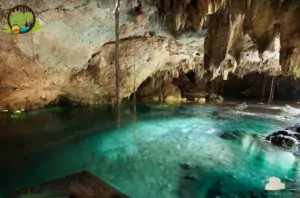
 Playa del Carmen: Cenote Chaak Tun

2. Rancho Baaxal:

Experience the authentic Mexican countryside at Rancho Baaxal, a working horse ranch offering horseback riding tours through the jungle. Explore the lush landscapes, encounter local wildlife, and learn about traditional Mayan culture from the friendly staff.

3. Gastón Charó Art Gallery:

Step into a world of vibrant colors and dynamic textures at the Gastón Charó Art Gallery. This renowned artist’s gallery showcases his unique creations, inspired by Mayan mythology and the natural beauty of the region.

It’s a must-visit for art lovers and those seeking a cultural immersion.

4. Chikin Ha: Playa del Carmen

Escape the crowds and find tranquility at Chikin Ha, a secluded cenote surrounded by lush vegetation. This natural pool is perfect for swimming, snorkeling, or simply enjoying the peaceful atmosphere. Pack a picnic lunch and make a day of it!
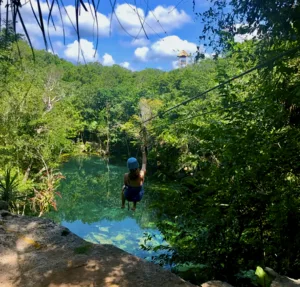

Playa del Carmen: Chikin Ha

5. Cenote Misterio Maya:

This hidden cenote is a true adventure for the daring souls. Access is through a narrow opening in the ground, leading to a cavern with magnificent stalactite and stalagmite formations. The crystal-clear waters invite you for a refreshing swim in this unique underground world.

6. Quinta Avenida:

No visit to Playa del Carmen is complete without strolling down the iconic Quinta Avenida. This pedestrian-only street is lined with shops, restaurants, bars, and street performers, offering a vibrant atmosphere and endless entertainment.

7. Parque Fundadores:

Located in the heart of Playa del Carmen, Parque Fundadores is a beautiful green space perfect for a relaxing escape. Take a stroll through the park, admire the local artwork, or simply enjoy a picnic lunch under the shade of the palm trees.

8. Portal Maya Statue:

This iconic statue is a landmark of Playa del Carmen and represents the ancient Mayan civilization. Capture stunning photos with the turquoise waters of the Caribbean Sea as a backdrop.

9. Xcaret Eco-Park:

Immerse yourself in the wonders of nature at Xcaret Eco-Park. This sprawling park offers a variety of activities like swimming in cenotes, exploring underground rivers, snorkeling in coral reefs, and watching traditional Mayan cultural performances.

Playa del Carmen: Xcaret Eco-Park

10. Sian Ka’an Biosphere:

Venture into the Sian Ka’an Biosphere, a UNESCO World Heritage Site renowned for its diverse ecosystems. Discover hidden lagoons, mangrove forests, and pristine beaches, all while learning about the region’s unique flora and fauna.

11. Rio Secreto:

Embark on an unforgettable adventure at Rio Secreto, a natural underground river system. Walk, swim, and float through caverns adorned with stunning stalactites and stalagmites, experiencing the beauty of this geological marvel.

12. Akumal:

Just south of Playa del Carmen lies the charming town of Akumal, known for its beautiful beaches and abundant marine life. Snorkel with gentle sea turtles in their natural habitat and create memories that will last a lifetime.

13. Isla Mujeres:

Hop on a ferry and escape to the laid-back island of Isla Mujeres. Explore the colorful downtown, relax on pristine beaches, and discover the island’s hidden coves and snorkeling spots.

These are just a few of the many hidden gems waiting to be discovered in Playa del Carmen. So, go off the beaten path, explore beyond the tourist hotspots, and create your unique adventure in this captivating Mexican paradise.

PHOTO CREDIT

OTHER ARTICLES OF THE DAY

WRITTEN BY COLLINS

FAQs and answers

1. What are some lesser-known beaches to visit in Playa del Carmen?

While Playa del Carmen is known for its bustling beaches, you can also find hidden gems like Xpu-Ha Beach and Punta Esmeralda. Xpu-Ha offers a peaceful atmosphere with clear waters and fewer tourists, making it ideal for a relaxing day by the sea. Punta Esmeralda, located a bit further from the main tourist areas, has a unique blend of freshwater cenotes and the ocean, perfect for snorkeling and swimming.

Source: Lonely Planet

2. What are the best secret cenotes to visit near Playa del Carmen?

Cenote Azul, Cenote Cristalino, and Cenote Jardin del Eden are a few hidden cenotes near Playa del Carmen that offer a serene, off-the-beaten-path experience. These natural swimming holes are not as crowded as the more popular ones, offering crystal-clear waters for a peaceful swim in nature.

Source: Tripadvisor

3. Can I explore the underground river at Rio Secreto?

Rio Secreto is an underground river system where you can enjoy a guided tour through a stunning cave network with crystal formations. This hidden gem allows you to swim and walk through a semi-dry cave, a unique experience in Playa del Carmen that many tourists miss.

Source: Rio Secreto

4. Are there any quiet and less crowded ruins to visit near Playa del Carmen?

While Tulum and Chichen Itza are famous ruins, the Coba Ruins offer a quieter, less crowded alternative. The Coba Ruins are set in a jungle, where you can climb the ancient Nohoch Mul pyramid and explore the expansive area at your own pace.

Source: Cultural Tours Mexico
5. Where can I go for a more authentic shopping experience in Playa del Carmen?

For a more local, authentic shopping experience, head to 30th Avenue (Avenida 30), a vibrant street that is less touristy compared to the famous Fifth Avenue. You’ll find local markets and artisan shops selling handmade crafts, unique souvenirs, and delicious street food.

Source: Playa del Carmen Travel Guide

6. What are the hidden gems for a nature walk or hiking near Playa del Carmen?

For those looking to explore nature, the Sian Ka’an Biosphere Reserve is an amazing hidden gem to hike and observe wildlife in its natural habitat. It’s a UNESCO World Heritage site that features marshes, beaches, and tropical forests, making it a haven for nature lovers.

Source: Sian Ka’an Biosphere Reserve

7. Are there any secret bars or hidden speakeasies in Playa del Carmen?

Playa del Carmen has some hidden speakeasies that offer a cool atmosphere and craft cocktails. Places like “La Cueva” (The Cave) located on Calle 10, and “Alux” – a bar inside a massive underground cave – are unique spots that offer a more intimate and adventurous night out.

Source: Playa del Carmen Nightlife

Back to Mpya News Home page: Education, Fashion, Law, business and sports

Last updated on: February 5, 2025

New information gained / new value takehome

  • However, beyond the mainstream attractions, there’s a whole world of hidden gems waiting to be discovered.
  • From secluded cenotes and ancient Mayan ruins to charming local markets and vibrant art galleries, Playa del Carmen offers unique experiences for the adventurous traveler.
  • Cenote Chaak Tun: Playa del Carmen This mesmerizing cenote is located just a short drive from Playa del Carmen and offers a truly magical experience.
  • This renowned artist’s gallery showcases his unique creations, inspired by Mayan mythology and the natural beauty of the region.
  • Chikin Ha: Playa del Carmen Escape the crowds and find tranquility at Chikin Ha, a secluded cenote surrounded by lush vegetation.
  • Cenote Misterio Maya: This hidden cenote is a true adventure for the daring souls.
  • The crystal-clear waters invite you for a refreshing swim in this unique underground world.
  • This sprawling park offers a variety of activities like swimming in cenotes, exploring underground rivers, snorkeling in coral reefs, and watching traditional Mayan cultural performances.
  • Discover hidden lagoons, mangrove forests, and pristine beaches, all while learning about the region’s unique flora and fauna.
  • These are just a few of the many hidden gems waiting to be discovered in Playa del Carmen.
Verified Content

This content was developed using AI as part of our research process. To ensure absolute accuracy, all information has been rigorously fact-checked and validated by our human editor, Collins Murithi.

External resource 1: BBC World News Coverage

External resource 2: Reuters Global Agency

Reference 1: The New York Times International

Reference 2: Al Jazeera News Updates

Reference 3: Associated Press Official


Photo credit: instagram.com

About

Digital entrepreneur and content specialist at MPYA News, focused on delivering high-quality insights and resources.

Latest Posts

Download Past Past Ujifunzaji wa Lugha ya Pili For Revision

Are you looking for Ujifunzaji wa Lugha ya Pili past...

Download Past Paper On Educational Communication and Information Technology For Revision

Educational Communication and Information Technology is an important subject for...

Educational Communication and Information Technology is an essential subject for students pursuing education and teaching-related courses. It explores how communication skills, instructional resources, and modern technologies contribute to effective teaching and learning. Students preparing for examinations can use Educational Communication and Information Technology past papers alongside lecture notes, textbooks, and revision questions to strengthen their understanding. What is Educational Communication and Information Technology? Educational Communication and Information Technology refers to the application of communication principles and technological tools in educational settings. It helps teachers deliver information effectively and enables learners to access, process, and share knowledge through different channels. The subject includes communication processes, instructional media, computer applications, internet services, multimedia, e-learning, and digital educational resources. Why are Educational Communication and Information Technology past papers important? Past papers help students practise answering examination questions and become familiar with different question formats. They can also help learners identify areas that need more revision and improve their ability to manage examination time. Practising Educational Communication and Information Technology past exam papers alongside course notes can make preparation more organised. Which topics should students revise? Students should revise the main topics covered in their syllabus. These may include: Meaning and importance of communication in education Elements and models of communication Barriers to effective communication Verbal and non-verbal communication Instructional media and teaching aids Computer applications in education Internet services and digital learning resources Multimedia and e-learning Educational broadcasting Advantages and challenges of educational technology These topics provide a useful starting point for Educational Communication and Information Technology revision questions. What is the communication process? The communication process involves the exchange of information between a sender and a receiver. The sender develops a message, selects a channel, and transmits the information. The receiver interprets the message and may provide feedback. In a classroom, for example, a teacher explains a concept, learners listen and interpret the information, and their questions or responses provide feedback. What are the main elements of communication? The main elements include the sender, message, encoding, channel, receiver, decoding, feedback, and context. Noise can interfere with the process and affect understanding. Students should know the functions of these elements because they are useful when answering Educational Communication and Information Technology exam questions. What is the difference between verbal and non-verbal communication? Verbal communication uses spoken or written words to convey information. Examples include classroom discussions, lectures, textbooks, and written instructions. Non-verbal communication involves conveying meaning through gestures, facial expressions, posture, eye contact, and other visual signals. Teachers often use both forms to explain concepts and interact with learners. What are the barriers to effective communication? Communication barriers are factors that prevent a message from being transmitted or understood clearly. Examples include language differences, poor listening, unclear explanations, excessive classroom noise, cultural differences, and technical difficulties. Teachers can reduce these barriers by using clear language, encouraging questions, choosing suitable communication channels, and checking learners’ understanding. What is instructional media? Instructional media refers to materials and resources used to support teaching and learning. Examples include charts, diagrams, maps, models, photographs, audio recordings, videos, projectors, and computers. The appropriate teaching aid depends on the lesson objectives, subject content, learners’ needs, and available resources. How does information technology support education? Information technology supports education by helping users create, store, process, retrieve, and share information. Computers, mobile devices, digital platforms, and internet services can support research, classroom teaching, communication, assessment, and access to learning materials. However, effective use requires suitable resources, digital skills, and appropriate planning. What is e-learning? E-learning is the delivery or support of learning through electronic and digital technologies. It may involve virtual classrooms, online lessons, learning management systems, electronic textbooks, recorded lectures, and online assignments. Students preparing Educational Communication and Information Technology questions and answers should understand the meaning, benefits, and limitations of e-learning. What are the advantages and disadvantages of educational technology? Educational technology can improve access to information, support interactive lessons, encourage collaboration, and provide flexible learning opportunities. It can also help teachers present complex concepts through images, audio, and video. Possible disadvantages include high equipment costs, unreliable internet connections, unequal access to devices, technical problems, and distractions. Students should be able to discuss both benefits and challenges. How can students use past papers effectively? Students should attempt Educational Communication and Information Technology past papers before looking at their notes. After completing a paper, they can review mistakes, revisit difficult topics, and practise similar questions. Searching for Educational Communication and Information Technology past papers PDF can help students locate additional revision resources through authorised educational sources. How should students answer examination questions? Students should read each question carefully and identify the instruction. Words such as “define,” “explain,” “discuss,” “outline,” and “compare” require different responses. For essay questions, students should introduce the topic, explain each main point clearly, provide relevant examples where appropriate, and finish with a conclusion. Conclusion Preparing with Educational Communication and Information Technology past papers, exam questions, revision notes, and textbooks can help students develop a better understanding of the subject. Consistent revision and timed practice can improve knowledge, answer organisation, and examination skills.Educational Communication and Information Technology is an essential subject for students pursuing education and teaching-related courses. It explores how communication skills, instructional resources, and modern technologies contribute to effective teaching and learning. Students preparing for examinations can use Educational Communication and Information Technology past papers alongside lecture notes, textbooks, and revision questions to strengthen their understanding. What is Educational Communication and Information Technology? Educational Communication and Information Technology refers to the application of communication principles and technological tools in educational settings. It helps teachers deliver information effectively and enables learners to access, process, and share knowledge through different channels. The subject includes communication processes, instructional media, computer applications, internet services, multimedia, e-learning, and digital educational resources. Why are Educational Communication and Information Technology past papers important? Past papers help students practise answering examination questions and become familiar with different question formats. They can also help learners identify areas that need more revision and improve their ability to manage examination time. Practising Educational Communication and Information Technology past exam papers alongside course notes can make preparation more organised. Which topics should students revise? Students should revise the main topics covered in their syllabus. These may include: Meaning and importance of communication in education Elements and models of communication Barriers to effective communication Verbal and non-verbal communication Instructional media and teaching aids Computer applications in education Internet services and digital learning resources Multimedia and e-learning Educational broadcasting Advantages and challenges of educational technology These topics provide a useful starting point for Educational Communication and Information Technology revision questions. What is the communication process? The communication process involves the exchange of information between a sender and a receiver. The sender develops a message, selects a channel, and transmits the information. The receiver interprets the message and may provide feedback. In a classroom, for example, a teacher explains a concept, learners listen and interpret the information, and their questions or responses provide feedback. What are the main elements of communication? The main elements include the sender, message, encoding, channel, receiver, decoding, feedback, and context. Noise can interfere with the process and affect understanding. Students should know the functions of these elements because they are useful when answering Educational Communication and Information Technology exam questions. What is the difference between verbal and non-verbal communication? Verbal communication uses spoken or written words to convey information. Examples include classroom discussions, lectures, textbooks, and written instructions. Non-verbal communication involves conveying meaning through gestures, facial expressions, posture, eye contact, and other visual signals. Teachers often use both forms to explain concepts and interact with learners. What are the barriers to effective communication? Communication barriers are factors that prevent a message from being transmitted or understood clearly. Examples include language differences, poor listening, unclear explanations, excessive classroom noise, cultural differences, and technical difficulties. Teachers can reduce these barriers by using clear language, encouraging questions, choosing suitable communication channels, and checking learners’ understanding. What is instructional media? Instructional media refers to materials and resources used to support teaching and learning. Examples include charts, diagrams, maps, models, photographs, audio recordings, videos, projectors, and computers. The appropriate teaching aid depends on the lesson objectives, subject content, learners’ needs, and available resources. How does information technology support education? Information technology supports education by helping users create, store, process, retrieve, and share information. Computers, mobile devices, digital platforms, and internet services can support research, classroom teaching, communication, assessment, and access to learning materials. However, effective use requires suitable resources, digital skills, and appropriate planning. What is e-learning? E-learning is the delivery or support of learning through electronic and digital technologies. It may involve virtual classrooms, online lessons, learning management systems, electronic textbooks, recorded lectures, and online assignments. Students preparing Educational Communication and Information Technology questions and answers should understand the meaning, benefits, and limitations of e-learning. What are the advantages and disadvantages of educational technology? Educational technology can improve access to information, support interactive lessons, encourage collaboration, and provide flexible learning opportunities. It can also help teachers present complex concepts through images, audio, and video. Possible disadvantages include high equipment costs, unreliable internet connections, unequal access to devices, technical problems, and distractions. Students should be able to discuss both benefits and challenges. How can students use past papers effectively? Students should attempt Educational Communication and Information Technology past papers before looking at their notes. After completing a paper, they can review mistakes, revisit difficult topics, and practise similar questions. Searching for Educational Communication and Information Technology past papers PDF can help students locate additional revision resources through authorised educational sources. How should students answer examination questions? Students should read each question carefully and identify the instruction. Words such as “define,” “explain,” “discuss,” “outline,” and “compare” require different responses. For essay questions, students should introduce the topic, explain each main point clearly, provide relevant examples where appropriate, and finish with a conclusion. Conclusion Preparing with Educational Communication and Information Technology past papers, exam questions, revision notes, and textbooks can help students develop

Educational Communication and Information Technology is an important subject for...

Download Past Paper On Introduction to the Study of Language For Revision

Are you looking for Introduction to the Study of Language...