Angelina Jolie: When it comes to the red carpet, Angelina Jolie is a true fashion icon who never fails to make a bold and sexy statement. Over the years, she has graced numerous events with her impeccable style, leaving a lasting impression on fashion enthusiasts worldwide.

Let’s take a closer look at 11 of Angelina Jolie’s most glamorous red carpet dresses that showcase her daring and sexy fashion choices.

807f5959498cb11c3f93e56148-jpg.web

1. The Leg-Baring Atelier Versace Gown (2012 Academy Awards):

One of Angelina Jolie’s most memorable red carpet moments came at the 2012 Academy Awards. She turned heads in a black Atelier Versace gown featuring a thigh-high slit that became an instant sensation. The dress not only showcased her toned leg but also exuded a sense of confidence and glamour.

2. Golden Goddess in Versace (2011 Golden Globe Awards):

At the 2011 Golden Globe Awards, Jolie opted for a stunning emerald-green Atelier Versace gown. The dress featured a strapless neckline and a thigh-high slit, highlighting her curves and making her look like a golden goddess. The bold color choice added a touch of vibrancy to the red carpet.

3. Velvet Elegance at the 2018 BAFTA Awards:

For the 2018 BAFTA Awards, Angelina Jolie chose an elegant velvet gown by Ralph & Russo. The black strapless dress was a perfect blend of sophistication and sexiness, with a sweetheart neckline and a cinched waist that accentuated her hourglass figure. The simplicity of the dress allowed her natural beauty to shine.

4. Classic Hollywood Glamour at the 2014 Oscars:

In 2014, Jolie embraced classic Hollywood glamour at the Oscars in a metallic Elie Saab gown. The dress featured a shimmering silver fabric, a sweetheart neckline, and a cascading flare. The combination of Old Hollywood elegance and modern sex appeal made this red carpet look a timeless favorite.

5. Monochromatic Chic in Ralph & Russo (2017 Critics’ Choice Awards):

At the 2017 Critics’ Choice Awards, Angelina Jolie stunned in a white strapless Ralph & Russo dress. The gown featured a feathered bodice and a cascading train, creating a look that was both ethereal and seductive. The monochromatic choice showcased her effortless style and fashion-forward approach.

6. Romantic Red in Valentino (2012 Golden Globe Awards):

For the 2012 Golden Globe Awards, Jolie chose a vibrant red gown by Valentino. The strapless dress had a fitted bodice and a cascading ruffle detail, creating a romantic and bold look. The bold red hue complemented her daring personality, making it one of her standout red carpet appearances.

7. Edgy Glamour at the 2013 Governors Awards:

Angelina Jolie showcased her edgy side at the 2013 Governors Awards in a black strapless Atelier Versace gown. The dress featured metallic detailing and a unique asymmetrical peplum, adding a touch of avant-garde glamour. The bold choice demonstrated Jolie’s ability to experiment with fashion while maintaining her signature allure.

8. Timeless Beauty in Ralph & Russo (2017 Academy Awards):

For the 2017 Academy Awards, Jolie graced the red carpet in a breathtaking black velvet gown by Ralph & Russo. The off-the-shoulder neckline and feathered sleeves added a touch of drama, while the fitted silhouette highlighted her statuesque beauty. This timeless look captured the essence of Hollywood glamour.

807f5959498cb11c3f93e56148-jpg.web

9. Ethereal Elegance in Elie Saab (2014 Oscars):

At the 2014 Oscars, Jolie embraced ethereal elegance in a pale gold Elie Saab gown. The dress featured a sheer overlay with intricate beading, creating a celestial and dreamy effect. The soft and romantic aesthetic showcased a different side of Jolie’s style, proving her versatility on the red carpet.

10. Sleek and Modern in Ralph & Russo (2018 Critics’ Choice Awards):

For the 2018 Critics’ Choice Awards, Angelina Jolie opted for a modern and sleek look in a white Ralph & Russo dress. The strapless gown had a structured bodice and a draped skirt, exuding a sense of sophistication and contemporary style. The minimalist approach allowed her natural beauty to take center stage.

11. Sultry Velvet at the 2012 Producers Guild Awards:

Angelina Jolie showed off her sultry side at the 2012 Producers Guild Awards in a black velvet gown by Michael Kors. The dress featured a plunging neckline and a fitted silhouette, creating a look that was both seductive and glamorous. The luxurious fabric added a touch of richness to her red carpet ensemble.

807f5959498cb11c3f93e56148-jpg.web

Conclusion:

Angelina Jolie’s red carpet journey has been a masterclass in bold and sexy fashion choices. From thigh-high slits to ethereal gowns, she has consistently pushed the boundaries of style, cementing her status as a fashion icon.

Whether exuding Old Hollywood glamour or embracing modern minimalism, Jolie’s red-carpet dresses continue to captivate audiences and inspire fashion enthusiasts around the globe. Her fearless approach to fashion proves that true style knows no boundaries, making each red carpet appearance a glamorous and memorable moment.


OTHER ARTICLES OF THE DAY

WRITTEN BY ALEX

FAQs and answers

What are some of Angelina Jolie’s most iconic red carpet-dresses?

Angelina Jolie has graced numerous red carpets with memorable fashion choices. One of her most iconic looks is the black Versace gown with a thigh-high slit she wore to the 2012 Oscars, which became a viral sensation. Another standout is the white satin Marc Bouwer dress she donned at the 2004 Oscars, exuding classic Hollywood glamour. Additionally, her emerald green Versace gown at the 2011 Golden Globes showcased her elegant style.

Has Angelina Jolie ever designed her red carpet-dresses?

Yes, Angelina Jolie ventured into fashion design with her brand, Atelier Jolie, launched in 2023. In 2024, she designed a silk A-line gown for Suleika Jaouad, who attended the Oscars alongside her husband, Jon Batiste. This marked Jolie’s debut as a designer for the prestigious event.

How has Angelina Jolie’s red carpet style evolved over the years?

Angelina Jolie’s red carpet style has transformed from edgy and bold choices in her early career to more refined and sophisticated ensembles. In the late 1990s and early 2000s, she often opted for dark, gothic-inspired outfits. Over time, her style evolved to include classic and elegant gowns, often favoring neutral tones and minimalist designs.

What designers does Angelina Jolie frequently wear on the red carpet?

Angelina Jolie has collaborated with several renowned designers for her red carpet-appearances. She has a longstanding relationship with Versace, wearing their designs on multiple occasions, including the 2012 Oscars and the 2011 Golden Globes. She has also been seen in creations by Elie Saab, such as the embellished gown she wore to the 2009 Oscars.

Has Angelina Jolie’s red-carpet fashion influenced trends?

Angelina Jolie’s red carpet choices have significantly influenced fashion trends. Her 2012 Oscars gown with the thigh-high slit sparked a surge in similar dress designs and a trend of posing with a leg reveal, popularly dubbed “Angie’s leg.” Her preference for minimalist and monochrome outfits has also inspired many to adopt a more understated yet chic aesthetic.

Does Angelina Jolie involve her family in her red-carpet appearances?

Yes, Angelina Jolie often includes her children in her red-carpet events. Notably, she attended the 2025 Golden Globes with her daughter Zahara, where they wore coordinating gowns. This mother-daughter duo has made several joint appearances, showcasing their close bond and complementary styles.

What was Angelina Jolie’s latest red carpet-appearance?

Angelina Jolie’s most recent red carpet-appearance was at the 2025 Critics Choice Awards. She wore a sheer beige lace dress from Elie Saab’s spring 2025 collection, featuring relaxed sleeves and a V-neckline. She completed the look with minimal accessories and a bold red lip, embracing a boho twist on her signature elegant style.

Back to Mpya News Home page: Education, Fashion, Law, business and sports

Last updated on: February 26, 2025

New information gained / new value takehome

  • The dress featured metallic detailing and a unique asymmetrical peplum, adding a touch of avant-garde glamour.
  • She has a longstanding relationship with Versace, wearing their designs on multiple occasions, including the 2012 Oscars and the 2011 Golden Globes.
  • Angelina Jolie’s red carpet choices have significantly influenced fashion trends.
  • Back to Mpya News Home page: Education, Fashion, Law, business and sports vogue.
Verified Content

This content was developed using AI as part of our research process. To ensure absolute accuracy, all information has been rigorously fact-checked and validated by our human editor, mpyanews.

External resource 1: BBC World News Coverage

External resource 2: Reuters Global Agency

Reference 1: The New York Times International

Reference 2: Al Jazeera News Updates

Reference 3: Associated Press Official


Photo credit: instagram.com

About

Mpya News is the winner of global website of the year

Latest Posts

Download Past Paper On Educational Communication and Information Technology For Revision

Educational Communication and Information Technology is an important subject for...

Educational Communication and Information Technology is an essential subject for students pursuing education and teaching-related courses. It explores how communication skills, instructional resources, and modern technologies contribute to effective teaching and learning. Students preparing for examinations can use Educational Communication and Information Technology past papers alongside lecture notes, textbooks, and revision questions to strengthen their understanding. What is Educational Communication and Information Technology? Educational Communication and Information Technology refers to the application of communication principles and technological tools in educational settings. It helps teachers deliver information effectively and enables learners to access, process, and share knowledge through different channels. The subject includes communication processes, instructional media, computer applications, internet services, multimedia, e-learning, and digital educational resources. Why are Educational Communication and Information Technology past papers important? Past papers help students practise answering examination questions and become familiar with different question formats. They can also help learners identify areas that need more revision and improve their ability to manage examination time. Practising Educational Communication and Information Technology past exam papers alongside course notes can make preparation more organised. Which topics should students revise? Students should revise the main topics covered in their syllabus. These may include: Meaning and importance of communication in education Elements and models of communication Barriers to effective communication Verbal and non-verbal communication Instructional media and teaching aids Computer applications in education Internet services and digital learning resources Multimedia and e-learning Educational broadcasting Advantages and challenges of educational technology These topics provide a useful starting point for Educational Communication and Information Technology revision questions. What is the communication process? The communication process involves the exchange of information between a sender and a receiver. The sender develops a message, selects a channel, and transmits the information. The receiver interprets the message and may provide feedback. In a classroom, for example, a teacher explains a concept, learners listen and interpret the information, and their questions or responses provide feedback. What are the main elements of communication? The main elements include the sender, message, encoding, channel, receiver, decoding, feedback, and context. Noise can interfere with the process and affect understanding. Students should know the functions of these elements because they are useful when answering Educational Communication and Information Technology exam questions. What is the difference between verbal and non-verbal communication? Verbal communication uses spoken or written words to convey information. Examples include classroom discussions, lectures, textbooks, and written instructions. Non-verbal communication involves conveying meaning through gestures, facial expressions, posture, eye contact, and other visual signals. Teachers often use both forms to explain concepts and interact with learners. What are the barriers to effective communication? Communication barriers are factors that prevent a message from being transmitted or understood clearly. Examples include language differences, poor listening, unclear explanations, excessive classroom noise, cultural differences, and technical difficulties. Teachers can reduce these barriers by using clear language, encouraging questions, choosing suitable communication channels, and checking learners’ understanding. What is instructional media? Instructional media refers to materials and resources used to support teaching and learning. Examples include charts, diagrams, maps, models, photographs, audio recordings, videos, projectors, and computers. The appropriate teaching aid depends on the lesson objectives, subject content, learners’ needs, and available resources. How does information technology support education? Information technology supports education by helping users create, store, process, retrieve, and share information. Computers, mobile devices, digital platforms, and internet services can support research, classroom teaching, communication, assessment, and access to learning materials. However, effective use requires suitable resources, digital skills, and appropriate planning. What is e-learning? E-learning is the delivery or support of learning through electronic and digital technologies. It may involve virtual classrooms, online lessons, learning management systems, electronic textbooks, recorded lectures, and online assignments. Students preparing Educational Communication and Information Technology questions and answers should understand the meaning, benefits, and limitations of e-learning. What are the advantages and disadvantages of educational technology? Educational technology can improve access to information, support interactive lessons, encourage collaboration, and provide flexible learning opportunities. It can also help teachers present complex concepts through images, audio, and video. Possible disadvantages include high equipment costs, unreliable internet connections, unequal access to devices, technical problems, and distractions. Students should be able to discuss both benefits and challenges. How can students use past papers effectively? Students should attempt Educational Communication and Information Technology past papers before looking at their notes. After completing a paper, they can review mistakes, revisit difficult topics, and practise similar questions. Searching for Educational Communication and Information Technology past papers PDF can help students locate additional revision resources through authorised educational sources. How should students answer examination questions? Students should read each question carefully and identify the instruction. Words such as “define,” “explain,” “discuss,” “outline,” and “compare” require different responses. For essay questions, students should introduce the topic, explain each main point clearly, provide relevant examples where appropriate, and finish with a conclusion. Conclusion Preparing with Educational Communication and Information Technology past papers, exam questions, revision notes, and textbooks can help students develop a better understanding of the subject. Consistent revision and timed practice can improve knowledge, answer organisation, and examination skills.Educational Communication and Information Technology is an essential subject for students pursuing education and teaching-related courses. It explores how communication skills, instructional resources, and modern technologies contribute to effective teaching and learning. Students preparing for examinations can use Educational Communication and Information Technology past papers alongside lecture notes, textbooks, and revision questions to strengthen their understanding. What is Educational Communication and Information Technology? Educational Communication and Information Technology refers to the application of communication principles and technological tools in educational settings. It helps teachers deliver information effectively and enables learners to access, process, and share knowledge through different channels. The subject includes communication processes, instructional media, computer applications, internet services, multimedia, e-learning, and digital educational resources. Why are Educational Communication and Information Technology past papers important? Past papers help students practise answering examination questions and become familiar with different question formats. They can also help learners identify areas that need more revision and improve their ability to manage examination time. Practising Educational Communication and Information Technology past exam papers alongside course notes can make preparation more organised. Which topics should students revise? Students should revise the main topics covered in their syllabus. These may include: Meaning and importance of communication in education Elements and models of communication Barriers to effective communication Verbal and non-verbal communication Instructional media and teaching aids Computer applications in education Internet services and digital learning resources Multimedia and e-learning Educational broadcasting Advantages and challenges of educational technology These topics provide a useful starting point for Educational Communication and Information Technology revision questions. What is the communication process? The communication process involves the exchange of information between a sender and a receiver. The sender develops a message, selects a channel, and transmits the information. The receiver interprets the message and may provide feedback. In a classroom, for example, a teacher explains a concept, learners listen and interpret the information, and their questions or responses provide feedback. What are the main elements of communication? The main elements include the sender, message, encoding, channel, receiver, decoding, feedback, and context. Noise can interfere with the process and affect understanding. Students should know the functions of these elements because they are useful when answering Educational Communication and Information Technology exam questions. What is the difference between verbal and non-verbal communication? Verbal communication uses spoken or written words to convey information. Examples include classroom discussions, lectures, textbooks, and written instructions. Non-verbal communication involves conveying meaning through gestures, facial expressions, posture, eye contact, and other visual signals. Teachers often use both forms to explain concepts and interact with learners. What are the barriers to effective communication? Communication barriers are factors that prevent a message from being transmitted or understood clearly. Examples include language differences, poor listening, unclear explanations, excessive classroom noise, cultural differences, and technical difficulties. Teachers can reduce these barriers by using clear language, encouraging questions, choosing suitable communication channels, and checking learners’ understanding. What is instructional media? Instructional media refers to materials and resources used to support teaching and learning. Examples include charts, diagrams, maps, models, photographs, audio recordings, videos, projectors, and computers. The appropriate teaching aid depends on the lesson objectives, subject content, learners’ needs, and available resources. How does information technology support education? Information technology supports education by helping users create, store, process, retrieve, and share information. Computers, mobile devices, digital platforms, and internet services can support research, classroom teaching, communication, assessment, and access to learning materials. However, effective use requires suitable resources, digital skills, and appropriate planning. What is e-learning? E-learning is the delivery or support of learning through electronic and digital technologies. It may involve virtual classrooms, online lessons, learning management systems, electronic textbooks, recorded lectures, and online assignments. Students preparing Educational Communication and Information Technology questions and answers should understand the meaning, benefits, and limitations of e-learning. What are the advantages and disadvantages of educational technology? Educational technology can improve access to information, support interactive lessons, encourage collaboration, and provide flexible learning opportunities. It can also help teachers present complex concepts through images, audio, and video. Possible disadvantages include high equipment costs, unreliable internet connections, unequal access to devices, technical problems, and distractions. Students should be able to discuss both benefits and challenges. How can students use past papers effectively? Students should attempt Educational Communication and Information Technology past papers before looking at their notes. After completing a paper, they can review mistakes, revisit difficult topics, and practise similar questions. Searching for Educational Communication and Information Technology past papers PDF can help students locate additional revision resources through authorised educational sources. How should students answer examination questions? Students should read each question carefully and identify the instruction. Words such as “define,” “explain,” “discuss,” “outline,” and “compare” require different responses. For essay questions, students should introduce the topic, explain each main point clearly, provide relevant examples where appropriate, and finish with a conclusion. Conclusion Preparing with Educational Communication and Information Technology past papers, exam questions, revision notes, and textbooks can help students develop

Educational Communication and Information Technology is an important subject for...

Download Past Paper On Introduction to the Study of Language For Revision

Are you looking for Introduction to the Study of Language...

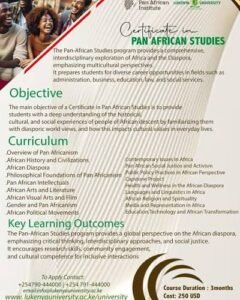
images 35 Download Past Paper On Studies in African Diaspora and Pan-Africanism for Revision

Download Past Paper On Studies in African Diaspora and Pan-Africanism for Revision

Are you looking for Studies in African Diaspora and Pan-Africanism...