Helena Modrzejewska: Helena Modrzejewska was a Polish actress who became one of the most celebrated stars of the 19th century. She was known for her beauty, elegance, and talent, and her fashion sense was no less impressive. Modrzejewska’s style was a blend of European sophistication and American practicality, and she often used fashion to express her individuality and character.
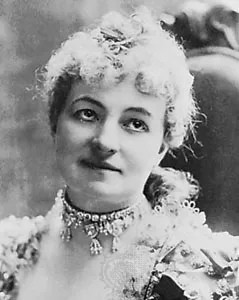
Helena-Modjeska-1869

Today, Modrzejewska’s style is still relevant and inspiring. Here are 11 fashion-forward outfits inspired by the iconic actress:

1. The Romantic Dress

Modrzejewska was a master of the romantic dress. She often wore flowing gowns with delicate details, such as puff sleeves, lace trim, and floral patterns. For a modern twist on this look, try a white dress with puff sleeves and a fitted bodice. Add a pair of statement earrings and a delicate necklace for a touch of glamour.

Statement Earrings to Wear with Casual Looks: Pics Included

2. The Tailored Suit

Modrzejewska was also a fan of the tailored suit. She often wore suits with fitted jackets and wide-leg trousers. For a modern take on this look, try a black suit with a cropped jacket and high-waisted trousers. Add a pair of pointed-toe pumps and a statement belt for a polished finish.

3. The Statement Coat

Modrzejewska knew how to make an entrance, and she often did so with a statement coat. She loved fur coats, but you can find modern versions in faux fur. For a more understated look, try a classic peacoat or trench coat.

4. The Dramatic Hat

Modrzejewska was never afraid to make a statement with her hat. She often wore wide-brimmed hats that added a touch of drama to her outfits. For a modern take on this look, try a felt hat with a wide brim.

5. The Bold Jewelry

Modrzejewska loved to accessorize with bold jewelry. She often wore statement necklaces, earrings, and bracelets. For a modern take on this look, try a chunky necklace or a pair of statement earrings.

6. The Lace Gloves

Modrzejewska was a fan of lace gloves, which added a touch of elegance to her outfits. For a modern take on this look, try a pair of fingerless lace gloves.

7. The Ankle Boots

Modrzejewska often wore ankle boots, which were both stylish and practical. For a modern take on this look, try a pair of Chelsea boots or ankle booties.

8. The Corset

Modrzejewska was known for her tiny waist, which she often accentuated with a corset. For a modern take on this look, try a waist-cinching belt or a corset-inspired top.

9. The Ruffled Collar

Modrzejewska loved ruffled collars, which added a touch of femininity to her outfits. For a modern take on this look, try a blouse with a ruffled collar or a ruffled scarf.

10. The Velvet Dress

Modrzejewska was a fan of velvet dresses, which were both luxurious and elegant. For a modern take on this look, try a midi-length velvet dress or a velvet slip dress.

Replica_of_a_costume_by_MarekZietek-

11. The Floral Print

Modrzejewska loved floral prints, which added a touch of sweetness to her outfits. For a modern take on this look, try a floral dress or a floral skirt.

Conclusion

Helena Modrzejewska was a fashion icon who knew how to dress for any occasion. Her style was a blend of elegance and practicality, and it is still relevant and inspiring today. If you are looking for some fashion inspiration, look no further than the iconic actress.

tumblr_n6k1edOOGm1tzeqovo4_400-jpg

PHOTO CREDIT

OTHER ARTICLES OF THE DAY

WRITTEN BY ALEX

FAQs and answers

1. Who was Helena Modrzejewska, and why is she a fashion inspiration?

Helena Modrzejewska was a renowned 19th-century Polish actress known for her elegant stage costumes and refined personal style. Her dramatic, Victorian-era outfits featured corsets, lace, and luxurious fabrics, making her a timeless fashion icon.

Reference: Biography of Helena Modrzejewska

2. What key fashion elements define Helena Modrzejewska’s style?

Modrzejewska’s fashion was characterized by elaborate gowns with intricate embroidery, high collars, puffed sleeves, and rich fabrics like silk and velvet. She often accessorized with lace gloves and pearl jewelry, adding a touch of aristocratic elegance.

Reference: Helena Modrzejewska’s Costume Legacy

3. How can I incorporate Modrzejewska’s fashion into modern outfits?

To modernize her style, opt for structured blouses with ruffled collars, maxi dresses with vintage-inspired details, or high-waisted skirts with lace accents. Mixing Victorian elegance with contemporary minimalism creates a fashion-forward look.

Reference: Victorian Fashion Influence in Modern Trends

4. What are some celebrity inspirations who channel Modrzejewska’s fashion?

Celebrities like Florence Welch, Nicole Kidman, and Keira Knightley have embraced Victorian-inspired fashion, often wearing high-neck dresses, puffed sleeves, and lace-adorned gowns similar to Modrzejewska’s iconic looks.

Reference: Celebrities Wearing Victorian-Inspired Fashion

5. What fabrics should I choose for a Modrzejewska-inspired outfit?

Rich, luxurious fabrics such as silk, velvet, lace, and brocade best capture the elegance of her style. These materials add texture and a sense of drama to any modern outfit inspired by her era.

Reference: Fabric Guide for Vintage-Inspired Fashion

6. How can men incorporate elements of Helena Modrzejewska’s style?

Men can take inspiration from the Victorian period by wearing high-collared shirts, waistcoats, long coats, and lace-trimmed cravats. These elements add a sophisticated, theatrical touch to contemporary menswear.

Reference: Victorian Fashion for Men

7. Where can I buy fashion pieces inspired by Helena Modrzejewska?

Brands specializing in vintage and Victorian-inspired clothing, such as Reformation, Gunne Sax, and Batsheva, offer pieces that echo Modrzejewska’s style. Thrift stores and costume boutiques are also great places to find unique vintage garments.

Reference: Best Brands for Vintage-Inspired Fashion

Back to Mpya News Home page: Education, Fashion, Law, business and sports

Last updated on: February 6, 2025

New information gained / new value takehome

  • The Statement Coat Modrzejewska knew how to make an entrance, and she often did so with a statement coat.
  • Conclusion Helena Modrzejewska was a fashion icon who knew how to dress for any occasion.
  • What key fashion elements define Helena Modrzejewska’s style?
  • Thrift stores and costume boutiques are also great places to find unique vintage garments.
Verified Content

This content was developed using AI as part of our research process. To ensure absolute accuracy, all information has been rigorously fact-checked and validated by our human editor, mpyanews.

External resource 1: BBC World News Coverage

External resource 2: Reuters Global Agency

Reference 1: The New York Times International

Reference 2: Al Jazeera News Updates

Reference 3: Associated Press Official


Photo credit: instagram.com

About

Mpya News is the winner of global website of the year

Latest Posts

Download Past Paper On Educational Communication and Information Technology For Revision

Educational Communication and Information Technology is an important subject for...

Educational Communication and Information Technology is an essential subject for students pursuing education and teaching-related courses. It explores how communication skills, instructional resources, and modern technologies contribute to effective teaching and learning. Students preparing for examinations can use Educational Communication and Information Technology past papers alongside lecture notes, textbooks, and revision questions to strengthen their understanding. What is Educational Communication and Information Technology? Educational Communication and Information Technology refers to the application of communication principles and technological tools in educational settings. It helps teachers deliver information effectively and enables learners to access, process, and share knowledge through different channels. The subject includes communication processes, instructional media, computer applications, internet services, multimedia, e-learning, and digital educational resources. Why are Educational Communication and Information Technology past papers important? Past papers help students practise answering examination questions and become familiar with different question formats. They can also help learners identify areas that need more revision and improve their ability to manage examination time. Practising Educational Communication and Information Technology past exam papers alongside course notes can make preparation more organised. Which topics should students revise? Students should revise the main topics covered in their syllabus. These may include: Meaning and importance of communication in education Elements and models of communication Barriers to effective communication Verbal and non-verbal communication Instructional media and teaching aids Computer applications in education Internet services and digital learning resources Multimedia and e-learning Educational broadcasting Advantages and challenges of educational technology These topics provide a useful starting point for Educational Communication and Information Technology revision questions. What is the communication process? The communication process involves the exchange of information between a sender and a receiver. The sender develops a message, selects a channel, and transmits the information. The receiver interprets the message and may provide feedback. In a classroom, for example, a teacher explains a concept, learners listen and interpret the information, and their questions or responses provide feedback. What are the main elements of communication? The main elements include the sender, message, encoding, channel, receiver, decoding, feedback, and context. Noise can interfere with the process and affect understanding. Students should know the functions of these elements because they are useful when answering Educational Communication and Information Technology exam questions. What is the difference between verbal and non-verbal communication? Verbal communication uses spoken or written words to convey information. Examples include classroom discussions, lectures, textbooks, and written instructions. Non-verbal communication involves conveying meaning through gestures, facial expressions, posture, eye contact, and other visual signals. Teachers often use both forms to explain concepts and interact with learners. What are the barriers to effective communication? Communication barriers are factors that prevent a message from being transmitted or understood clearly. Examples include language differences, poor listening, unclear explanations, excessive classroom noise, cultural differences, and technical difficulties. Teachers can reduce these barriers by using clear language, encouraging questions, choosing suitable communication channels, and checking learners’ understanding. What is instructional media? Instructional media refers to materials and resources used to support teaching and learning. Examples include charts, diagrams, maps, models, photographs, audio recordings, videos, projectors, and computers. The appropriate teaching aid depends on the lesson objectives, subject content, learners’ needs, and available resources. How does information technology support education? Information technology supports education by helping users create, store, process, retrieve, and share information. Computers, mobile devices, digital platforms, and internet services can support research, classroom teaching, communication, assessment, and access to learning materials. However, effective use requires suitable resources, digital skills, and appropriate planning. What is e-learning? E-learning is the delivery or support of learning through electronic and digital technologies. It may involve virtual classrooms, online lessons, learning management systems, electronic textbooks, recorded lectures, and online assignments. Students preparing Educational Communication and Information Technology questions and answers should understand the meaning, benefits, and limitations of e-learning. What are the advantages and disadvantages of educational technology? Educational technology can improve access to information, support interactive lessons, encourage collaboration, and provide flexible learning opportunities. It can also help teachers present complex concepts through images, audio, and video. Possible disadvantages include high equipment costs, unreliable internet connections, unequal access to devices, technical problems, and distractions. Students should be able to discuss both benefits and challenges. How can students use past papers effectively? Students should attempt Educational Communication and Information Technology past papers before looking at their notes. After completing a paper, they can review mistakes, revisit difficult topics, and practise similar questions. Searching for Educational Communication and Information Technology past papers PDF can help students locate additional revision resources through authorised educational sources. How should students answer examination questions? Students should read each question carefully and identify the instruction. Words such as “define,” “explain,” “discuss,” “outline,” and “compare” require different responses. For essay questions, students should introduce the topic, explain each main point clearly, provide relevant examples where appropriate, and finish with a conclusion. Conclusion Preparing with Educational Communication and Information Technology past papers, exam questions, revision notes, and textbooks can help students develop a better understanding of the subject. Consistent revision and timed practice can improve knowledge, answer organisation, and examination skills.Educational Communication and Information Technology is an essential subject for students pursuing education and teaching-related courses. It explores how communication skills, instructional resources, and modern technologies contribute to effective teaching and learning. Students preparing for examinations can use Educational Communication and Information Technology past papers alongside lecture notes, textbooks, and revision questions to strengthen their understanding. What is Educational Communication and Information Technology? Educational Communication and Information Technology refers to the application of communication principles and technological tools in educational settings. It helps teachers deliver information effectively and enables learners to access, process, and share knowledge through different channels. The subject includes communication processes, instructional media, computer applications, internet services, multimedia, e-learning, and digital educational resources. Why are Educational Communication and Information Technology past papers important? Past papers help students practise answering examination questions and become familiar with different question formats. They can also help learners identify areas that need more revision and improve their ability to manage examination time. Practising Educational Communication and Information Technology past exam papers alongside course notes can make preparation more organised. Which topics should students revise? Students should revise the main topics covered in their syllabus. These may include: Meaning and importance of communication in education Elements and models of communication Barriers to effective communication Verbal and non-verbal communication Instructional media and teaching aids Computer applications in education Internet services and digital learning resources Multimedia and e-learning Educational broadcasting Advantages and challenges of educational technology These topics provide a useful starting point for Educational Communication and Information Technology revision questions. What is the communication process? The communication process involves the exchange of information between a sender and a receiver. The sender develops a message, selects a channel, and transmits the information. The receiver interprets the message and may provide feedback. In a classroom, for example, a teacher explains a concept, learners listen and interpret the information, and their questions or responses provide feedback. What are the main elements of communication? The main elements include the sender, message, encoding, channel, receiver, decoding, feedback, and context. Noise can interfere with the process and affect understanding. Students should know the functions of these elements because they are useful when answering Educational Communication and Information Technology exam questions. What is the difference between verbal and non-verbal communication? Verbal communication uses spoken or written words to convey information. Examples include classroom discussions, lectures, textbooks, and written instructions. Non-verbal communication involves conveying meaning through gestures, facial expressions, posture, eye contact, and other visual signals. Teachers often use both forms to explain concepts and interact with learners. What are the barriers to effective communication? Communication barriers are factors that prevent a message from being transmitted or understood clearly. Examples include language differences, poor listening, unclear explanations, excessive classroom noise, cultural differences, and technical difficulties. Teachers can reduce these barriers by using clear language, encouraging questions, choosing suitable communication channels, and checking learners’ understanding. What is instructional media? Instructional media refers to materials and resources used to support teaching and learning. Examples include charts, diagrams, maps, models, photographs, audio recordings, videos, projectors, and computers. The appropriate teaching aid depends on the lesson objectives, subject content, learners’ needs, and available resources. How does information technology support education? Information technology supports education by helping users create, store, process, retrieve, and share information. Computers, mobile devices, digital platforms, and internet services can support research, classroom teaching, communication, assessment, and access to learning materials. However, effective use requires suitable resources, digital skills, and appropriate planning. What is e-learning? E-learning is the delivery or support of learning through electronic and digital technologies. It may involve virtual classrooms, online lessons, learning management systems, electronic textbooks, recorded lectures, and online assignments. Students preparing Educational Communication and Information Technology questions and answers should understand the meaning, benefits, and limitations of e-learning. What are the advantages and disadvantages of educational technology? Educational technology can improve access to information, support interactive lessons, encourage collaboration, and provide flexible learning opportunities. It can also help teachers present complex concepts through images, audio, and video. Possible disadvantages include high equipment costs, unreliable internet connections, unequal access to devices, technical problems, and distractions. Students should be able to discuss both benefits and challenges. How can students use past papers effectively? Students should attempt Educational Communication and Information Technology past papers before looking at their notes. After completing a paper, they can review mistakes, revisit difficult topics, and practise similar questions. Searching for Educational Communication and Information Technology past papers PDF can help students locate additional revision resources through authorised educational sources. How should students answer examination questions? Students should read each question carefully and identify the instruction. Words such as “define,” “explain,” “discuss,” “outline,” and “compare” require different responses. For essay questions, students should introduce the topic, explain each main point clearly, provide relevant examples where appropriate, and finish with a conclusion. Conclusion Preparing with Educational Communication and Information Technology past papers, exam questions, revision notes, and textbooks can help students develop

Educational Communication and Information Technology is an important subject for...

Download Past Paper On Introduction to the Study of Language For Revision

Are you looking for Introduction to the Study of Language...

images 35 Download Past Paper On Studies in African Diaspora and Pan-Africanism for Revision

Download Past Paper On Studies in African Diaspora and Pan-Africanism for Revision

Are you looking for Studies in African Diaspora and Pan-Africanism...