Download Specialized-Accounting-I-Exam-Past-Paper-Mpya-News
Mastering Specialized Accounting I: The Power of Past Papers for Exam Success
Specialized Accounting I is one of the most technical and analytical units in any accounting degree program. It moves beyond the basics of financial statements and introduces students to advanced concepts such as accounting for specialized industries, group accounts, partnership dissolutions, and changes in ownership structures. Because of its complexity, many students struggle to balance theory, practical application, and time management during exams. One of the most effective tools for mastering this subject is using past exam papers.
Why Past Papers Matter
Past papers provide a realistic view of what to expect in the final exam. They help students identify recurring topics, understand the structure of questions, and get comfortable with the level of detail expected in answers. In Specialized Accounting I, past papers often cover themes such as:
-
Accounting for branches and departments
-
Partnership accounts and dissolution
-
Joint ventures and consignment accounting
-
Conversion and amalgamation of firms
-
Hire purchase and installment systems
-
Accounts for specialized industries like banks, insurance, and cooperatives

By working through these papers, students can pinpoint which areas need extra attention and practice applying accounting principles in an exam context.
Understanding the Exam Structure
The Specialized Accounting I exam typically combines both theoretical and computational questions. Students may encounter short-answer questions testing knowledge of accounting policy-page-at-mpya-news/" title="Standards">standards, alongside longer, problem-solving questions requiring journal entries, ledger preparation, and financial statement construction.
Most universities, including Mount Kenya University (MKU) and other institutions using similar syllabi, design the exam to test three key abilities:
-
Conceptual understanding – grasping the principles behind specialized accounting topics.
-
Analytical skills – being able to interpret complex transactions and apply accounting treatments.
-
Presentation and accuracy – producing clear, well-labeled financial statements and explanations.
Practicing with past papers helps students refine all three of these areas. Time management also improves significantly when students attempt past papers under timed conditions.
Common Trends and Repeated Topics
Analysis of past Specialized Accounting I papers from 2021 to 2024 reveals several recurring question patterns. Topics such as branch accounting, partnership revaluation, and amalgamation appear almost every year. Other frequent areas include hire purchase accounting and accounting for cooperatives.
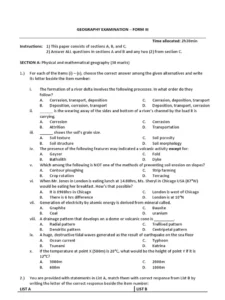
Recognizing these trends can guide a student’s revision plan. For instance, if a topic has consistently appeared in multiple past papers, it’s likely to feature again. Allocating more revision time to such topics gives students a strategic advantage.
How to Use Past Papers Effectively
Simply reading past papers is not enough — the key is active practice. Here’s how to get the most out of them:
-
Start Early: Begin using past papers at least four weeks before the exam to gauge your understanding.
-
Simulate Exam Conditions: Time yourself strictly according to the exam duration. Avoid referring to notes while answering.
-
Review and Compare: After attempting a paper, review your answers against marking schemes or textbook solutions.
-
Identify Weak Spots: Note down the areas where you made frequent errors or took too long to answer.
-
Discuss with Peers: Group discussions help you understand different approaches to the same question.
This active learning approach transforms past papers from mere revision tools into powerful instruments for mastery.
Where to Find Reliable Past Papers
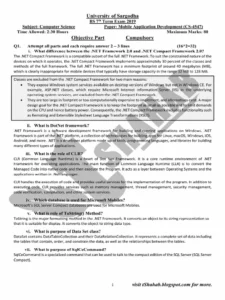
Students can easily access verified Specialized Accounting I past papers through university repositories such as pastexams.mku.ac.ke. These archives include various exam sessions — for instance, the 2021/2022, 2023/2024 May/Aug, and 2023/2024 Sep/Dec semesters. Many of these papers are available for free download in PDF format.
Some online platforms and academic groups also provide past papers with marking guides or model answers. Using such resources gives students insight into what examiners expect in each question.
Download Link
Back to Mpya News Home page: Education, Fashion, Law, business and sports
Last updated on: November 12, 2025
New information gained / new value takehome
- Because of its complexity, many students struggle to balance theory, practical application, and time management during exams.
- Time management also improves significantly when students attempt past papers under timed conditions.
- For instance, if a topic has consistently appeared in multiple past papers, it’s likely to feature again.
- How to Use Past Papers Effectively Simply reading past papers is not enough — the key is active practice.
- Avoid referring to notes while answering.
- Identify Weak Spots: Note down the areas where you made frequent errors or took too long to answer.
This content was developed using AI as part of our research process. To ensure absolute accuracy, all information has been rigorously fact-checked and validated by our human editor, Wycklliff Muthinja.
