DownloadResearch-Method-II-Exam-Past-Paper-Mpya-News
Research Method II Exam Past Paper: Your Ultimate Guide to Success
If you’re preparing for the Research Method II exam, you already know how important this course is in building your academic and professional research skills. Whether you’re a social sciences, business, or education student, this unit forms the backbone of your research competence. One of the most effective strategies to excel in this subject is using past exam papers. They don’t just test your memory—they prepare your mind to think critically, structure your answers logically, and manage time effectively under exam conditions.
In this post, we’ll explore why Research Method II past papers are valuable, what topics they commonly cover, and how you can use them to boost your confidence and grades.
Why Use Past Papers for Research Method II?
Past papers act like a window into the examiner’s mindset. They reveal recurring patterns in questions, the depth of answers expected, and how theoretical concepts are usually tested. By studying these papers, you can identify which areas to prioritize—saving time and focusing your revision where it truly matters.
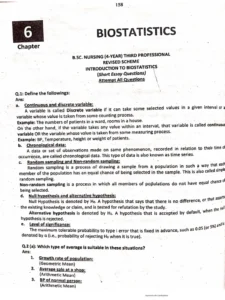
For example, many past papers repeatedly emphasize topics like data analysis techniques, research design, hypothesis testing, and ethical considerations in research. Once you notice these trends, you’ll realize that mastering these sections could guarantee a significant portion of your marks.
Past papers also build your exam endurance. Research Method II often involves essay-style or structured questions that test analytical reasoning and comprehension. Practicing under timed conditions helps you sharpen your ability to think clearly, recall relevant theories, and write concise yet comprehensive answers.

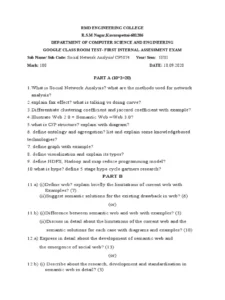
Common Topics Found in Research Method II Exams
While the syllabus may vary from one university to another, there are core themes that frequently appear across institutions. Here are some of the major ones:
-
Research Design and Methodology
Students are usually asked to describe or compare research designs such as experimental, descriptive, or correlational studies. Questions may also test your understanding of qualitative versus quantitative approaches. -
Sampling Techniques
Past papers often include questions on probability and non-probability sampling, sample size determination, and sources of sampling errors. -
Data Collection Methods
Whether it’s interviews, questionnaires, or observation, knowing when and how to apply each method is essential. -
Data Analysis and Interpretation
This section typically assesses your understanding of descriptive and inferential statistics, coding qualitative data, and using software like SPSS or Excel. -
Research policy-page-at-mpya-news/" title="Ethics">Ethics
Ethical considerations—such as informed consent, confidentiality, and avoiding plagiarism—are increasingly common questions, reflecting the modern emphasis on integrity in academic research. -
Report Writing and Presentation
Many exams end with a question about how to structure a research report or proposal. This tests both your comprehension and your ability to apply theory to practice.
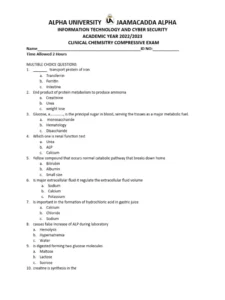
How to Use Past Papers Effectively
-
Start Early:
Don’t wait until the last week before the exam. Begin reviewing past papers as soon as you complete each topic in class. -
Simulate Exam Conditions:
Choose one paper, set a timer, and attempt it without notes. This improves focus and time management. -
Compare Your Answers:
After attempting a paper, cross-check your responses with textbooks or class notes. This helps identify your weak areas. -
Discuss with Peers:
Group discussions around past paper questions encourage deeper understanding. You might discover different ways of interpreting the same question. -
Consult Your Lecturer:
If you encounter a confusing or tricky question, ask your lecturer for clarification. They can explain what examiners expect in your responses.Back to Mpya News Home page: Education, Fashion, Law, business and sports
- Download Link
Last updated on: November 12, 2025
New information gained / new value takehome
- Once you notice these trends, you’ll realize that mastering these sections could guarantee a significant portion of your marks.
- Data Collection MethodsWhether it’s interviews, questionnaires, or observation, knowing when and how to apply each method is essential.
- Simulate Exam Conditions:Choose one paper, set a timer, and attempt it without notes.
- Compare Your Answers:After attempting a paper, cross-check your responses with textbooks or class notes.
This content was developed using AI as part of our research process. To ensure absolute accuracy, all information has been rigorously fact-checked and validated by our human editor, Wycklliff Muthinja.

