Below the downloading link
Download-Ethitical-hacking-Exam-Past-Paper-mpya-news
Above is the downloading link
Your Ultimate Study Guide
In today’s digital world, cybersecurity has become a cornerstone of every organization’s IT strategy. Ethical hackers, also known as white-hat hackers, are essential in identifying vulnerabilities and securing systems before malicious attackers exploit them. For students studying ethical hacking, understanding theory alone is not enough. FLQ Ethical Hacking Exam Past Papers serve as a practical and strategic tool to prepare effectively, offering insights into exam patterns, commonly tested topics, and real-world scenarios.
In this blog, we explore why ethical hacking past papers are crucial, how to use them for maximum benefit, common question types, and tips for achieving top marks.
Why FLQ Ethical Hacking Exam Past Papers Are Important
Ethical hacking exams combine theory, practical knowledge, and analytical skills. Here’s why past papers are invaluable:
1. Familiarize Yourself with Exam Structure
Each institution or instructor may structure the exam differently. Past papers show whether the test focuses on:
-
Short-answer conceptual questions
-
Scenario-based problem-solving
-
Hands-on penetration testing exercises
-
Case studies and real-world incidents
By studying past papers, you can anticipate the exam style and tailor your revision accordingly.
2. Identify Key Topics
Past papers reveal recurring topics, which can guide your study focus. Commonly tested areas include:

-
Phases of ethical hacking: reconnaissance, scanning, exploitation, post-exploitation, and reporting
-
Network security, including firewalls, intrusion detection, and wireless security
-
Social engineering techniques and countermeasures
-
Malware types: viruses, worms, trojans, ransomware
-
SQL injection, XSS attacks, and web application vulnerabilities
-
Legal and ethical considerations in cybersecurity
Recognizing these areas helps prioritize study time efficiently.
3. Build Practical Problem-Solving Skills
Ethical hacking is highly practical. Past papers often include tasks that test your ability to analyze vulnerabilities, detect attacks, and recommend countermeasures. Working through these questions:
-
Enhances familiarity with cybersecurity tools like Nmap, Wireshark, Metasploit, and Burp Suite
-
Improves speed and accuracy under exam conditions
-
Identifies knowledge gaps to address before the actual exam
How to Use FLQ Ethical Hacking Exam Past Papers Effectively
Step 1: Review Paper Layout
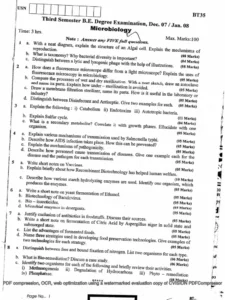
Before attempting questions, scan the past paper to understand the sections, mark allocation, and difficulty. This helps you plan how much time to spend on each section during the exam.
Step 2: Attempt Without Notes
Treat your first attempt as a real exam. Solve questions without consulting books or guides. This approach highlights strengths and weaknesses.
Step 3: Compare Answers
After completing the paper, check your solutions against notes or model answers. Analyze mistakes, clarify misunderstandings, and revise weak areas.
Step 4: Practice Multiple Past Papers
Using several past papers provides exposure to different question styles, improving adaptability and exam confidence.
Common Question Types in FLQ Ethical Hacking Exam Past Papers
While questions vary, past papers typically include:
1. Short-Answer Questions
Define ethical hacking, distinguish it from malicious hacking, or list types of cyber attacks.
2. Scenario-Based Questions
Analyze a network breach, identify vulnerabilities, suggest mitigation strategies, or recommend preventive measures.
3. Practical Questions
Tasks may include analyzing SQL injection vulnerabilities, explaining penetration testing steps, or using cybersecurity tools in simulated environments.
4. Essay Questions
Students may be asked to discuss cybersecurity policies, legal and ethical implications, or elaborate on advanced hacking techniques.

5. Diagrams and Flowcharts
Draw hacking phases, network security diagrams, or malware detection workflows to demonstrate conceptual understanding.
Tips for Maximizing Success Using Past Papers
-
Focus on commonly recurring topics.
-
Practice with ethical hacking tools in safe, controlled environments.
-
Simulate exam conditions to improve time management.
-
Maintain summary notes and diagrams for quick revision.
-
Discuss solutions with peers or instructors to deepen understanding.
Back to Mpya News Home page: Education, Fashion, Law, business and sports
- Download link
Last updated on: December 11, 2025
New information gained / new value takehome
- Ethical hackers, also known as white-hat hackers, are essential in identifying vulnerabilities and securing systems before malicious attackers exploit them.
- In this blog, we explore why ethical hacking past papers are crucial, how to use them for maximum benefit, common question types, and tips for achieving top marks.
- Why FLQ Ethical Hacking Exam Past Papers Are Important Ethical hacking exams combine theory, practical knowledge, and analytical skills.
- Identify Key Topics Past papers reveal recurring topics, which can guide your study focus.
- Past papers often include tasks that test your ability to analyze vulnerabilities, detect attacks, and recommend countermeasures.
- Step 2: Attempt Without Notes Treat your first attempt as a real exam.
- Step 3: Compare Answers After completing the paper, check your solutions against notes or model answers.
- Step 4: Practice Multiple Past Papers Using several past papers provides exposure to different question styles, improving adaptability and exam confidence.
- Scenario-Based Questions Analyze a network breach, identify vulnerabilities, suggest mitigation strategies, or recommend preventive measures.
- Tips for Maximizing Success Using Past Papers Focus on commonly recurring topics.
This content was developed using AI as part of our research process. To ensure absolute accuracy, all information has been rigorously fact-checked and validated by our human editor, Alex Munene.

