Download Copyright-Law-Exam-Past-Papers-Mpya-News
Q1: What is Copyright Law?
Copyright Law is a branch of intellectual property law that protects original works of authorship such as books, music, art, films, photographs, computer programs, and other creative works. It gives creators exclusive rights to reproduce, distribute, perform, and adapt their works. Copyright ensures that authors and artists can earn recognition and financial reward for their creations, while also setting limits to balance public access to knowledge and creativity.
Q2: What are Copyright Law exam past papers?
Copyright Law exam past papers are question papers from previous academic years used by universities and law schools to test students’ understanding of copyright principles. These papers are valuable tools that help students prepare for upcoming exams by showing them the structure, format, and types of questions commonly asked.
For example, a typical past paper may ask:
-
“Discuss the requirements for a work to qualify for copyright protection.”
-
“Explain the difference between economic rights and moral rights.”
-
“Using case law, explain what amounts to copyright infringement.”
Such questions help students learn to apply theoretical knowledge to real-life legal scenarios.
Q3: Why are past papers important for law students?
Past papers are essential revision aids for any law student because they provide insight into how examiners think. Here are the key benefits:
-
Understanding exam structure: Past papers help students know how many questions to expect, the marks distribution, and time allocation.
-
Identifying recurring topics: Many copyright exams repeat key themes like originality, infringement, or exceptions under fair dealing/fair use.
-
Improving analytical skills: Law exams often use scenario-based questions, requiring students to apply legal rules to given facts.
-
Boosting confidence: Practicing under timed conditions reduces exam anxiety and improves writing speed and accuracy.

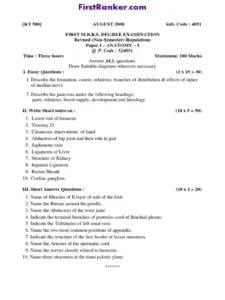
By using past papers strategically, students can bridge the gap between classroom learning and exam expectations.
Q4: What topics commonly appear in Copyright Law exams?
After reviewing several past papers from Kenyan universities such as the University of Nairobi, Kenyatta University, and Daystar University, these are the most frequent themes:
-
Definition and Scope of Copyright: Understanding what qualifies for protection and what doesn’t.
-
Rights of Authors and Owners: Economic rights (reproduction, distribution) and moral rights (attribution, integrity).
-
Copyright Infringement: What constitutes copying, substantial similarity, and defences like fair use.
-
Exceptions and Limitations: Fair dealing for education, criticism, news reporting, and research.
-
Licensing and Assignment: How rights are transferred or licensed to others.
-
International Treaties: Berne Convention, WIPO Copyright Treaty, and TRIPS Agreement.
-
Enforcement and Remedies: Civil and criminal penalties, injunctions, and damages.
-
Digital Copyright: Online piracy, software protection, and copyright in the digital era.
Being familiar with these themes helps you predict what examiners are likely to test and prepare accordingly.

Q5: How can students effectively use past papers for revision?
Here’s a step-by-step approach to make the most of past papers:
-
Collect and organize papers: Get past papers from your university repository, websites like Kenyaplex, or academic databases.
-
Simulate real exams: Set aside 2 or 3 hours, attempt questions under timed conditions, and avoid referring to notes.
-
Use the IRAC method (Issue, Rule, Application, Conclusion): This structured approach improves clarity and precision when answering legal questions.
-
Review model answers: Compare your responses with class notes, textbooks, and statutes to identify gaps.
-
Focus on problem questions: Practice applying copyright rules to fact patterns involving infringement, authorship, and ownership.
-
Group discussions: Exchange ideas with classmates or join study groups to gain different perspectives.
Consistent use of past papers transforms theory into practice, which is crucial for success in law exams.
Q6: Where can I find Copyright Law past papers?
Students can access past papers from several reliable sources:
-
University repositories like repository.daystar.ac.ke or ir.uonbi.ac.ke.
-
Educational platforms such as Kenyaplex.com.
-
Exambank websites like exambank.mmust.ac.ke.
-
Law faculty offices or libraries, where archived papers are often available in hard copy.
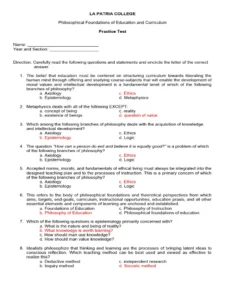
Downloading several years’ papers from these sources provides a broad view of how topics evolve over time.
Q7: Final Exam Tips
-
Read all instructions carefully before answering.
-
Start with the question you understand best to build confidence.
-
Support answers with case law and statutory references.
-
Use examples from local and international contexts (e.g., the Kenyan Copyright Act and Berne Convention).
-
Manage your time wisely to cover all required questions.
Back to Mpya News Home page: Education, Fashion, Law, business and sports
- Download link
Last updated on: November 4, 2025
New information gained / new value takehome
- Download Copyright-Law-Exam-Past-Papers-Mpya-News Q1: What is Copyright Law?
- It gives creators exclusive rights to reproduce, distribute, perform, and adapt their works.
- Copyright ensures that authors and artists can earn recognition and financial reward for their creations, while also setting limits to balance public access to knowledge and creativity.
- Q3: Why are past papers important for law students?
- Past papers are essential revision aids for any law student because they provide insight into how examiners think.
- Here are the key benefits: Understanding exam structure: Past papers help students know how many questions to expect, the marks distribution, and time allocation.
- Identifying recurring topics: Many copyright exams repeat key themes like originality, infringement, or exceptions under fair dealing/fair use.
- Exceptions and Limitations: Fair dealing for education, criticism, news reporting, and research.
- Simulate real exams: Set aside 2 or 3 hours, attempt questions under timed conditions, and avoid referring to notes.
- Review model answers: Compare your responses with class notes, textbooks, and statutes to identify gaps.
This content was developed using AI as part of our research process. To ensure absolute accuracy, all information has been rigorously fact-checked and validated by our human editor, mpyanews.