Below is the download link
Download-Case-Analysing-Comprehensive-Exam-past-paper-mpya-news
Above is the download link
Mastering Case Analysis for Comprehensive Exams Through Blogging
Comprehensive exams are notorious for their rigor, particularly the case analysis section. Unlike standard essay questions or multiple-choice tests, case analyses require students to apply theoretical knowledge to practical, real-world scenarios. For many students, this is a daunting challenge. However, an effective and often overlooked way to sharpen these skills is through blogging. Writing blog posts about past exam cases can help students enhance their analytical thinking, structure their responses effectively, and prepare strategically for comprehensive exams.
Why Blog About Case Analysis?
Blogging is more than just sharing thoughts online; it’s a tool for deep learning. When you blog about case analysis:
-
You Reinforce Understanding: Writing about a past paper case forces you to engage actively with the material. Instead of passively reading, you must break down the scenario, identify problems, and explain your reasoning in your own words.
-
You Practice Clear Communication: Comprehensive exams demand precise, structured answers. Blogging helps you practice presenting complex information in a readable and organized format—exactly what examiners are looking for.
-
You Build Critical Thinking Skills: Blogging encourages you to analyze multiple angles of a case, weigh alternatives, and justify recommendations. This mirrors the exam process and helps you develop stronger problem-solving skills.
-
You Create a Resource Library: Each blog post acts as a reference for future revision. Over time, you build a collection of past cases, analyses, and key insights that can be reviewed quickly before exams.

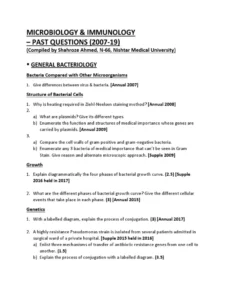
Steps to Blog Effectively About Past Paper Cases
-
Select a Past Paper Case: Choose a comprehensive exam past paper case from your course. Make sure it contains enough detail for analysis, including context, data, and key stakeholders.
-
Summarize the Case Briefly: Provide a concise summary highlighting essential facts. This trains you to identify relevant information—an essential skill during exams when time is limited.
-
Identify Core Problems: Analyze the scenario to determine the main problem(s). Avoid being distracted by secondary issues. Clearly stating the problem in your blog also improves your ability to identify and articulate problems in exam conditions.
-
Apply Relevant Theory: Link your analysis to theoretical frameworks, models, or concepts from your course. Whether it’s SWOT analysis for business cases, PESTEL for strategic evaluation, or legal frameworks for law exams, this step demonstrates academic rigor and understanding.
-
Evaluate Alternatives: Explore possible solutions, consider their pros and cons, and anticipate potential outcomes. Blogging in this way mirrors the evaluative thinking examiners expect in comprehensive exams.
-
Present Recommendations: Conclude your blog with actionable recommendations supported by both the case evidence and theoretical reasoning. Structured and well-justified recommendations show depth of understanding.
-
Use Clear Structure: Divide your blog into sections such as “Case Summary,” “Problem Identification,” “Analysis,” “Alternatives,” and “Recommendations.” A clear structure improves readability and helps reinforce good habits for exam writing.
Common Mistakes to Avoid
-
Overloading the Blog With Details: Focus on analysis rather than summarizing every fact. Examiners value insight over repetition.
-
Neglecting Theory: Failing to connect your discussion to theoretical frameworks weakens your argument.
-
Poor Organization: A messy structure makes both blogs and exam answers hard to follow.
-
Ignoring policy-page-at-mpya-news/" title="Feedback">Feedback: Sharing your blog for peer review or discussion helps you gain alternative perspectives and identify gaps in your analysis.
Tips for Maximum Benefit
-
Practice Regularly: Write a blog post for each past paper case to build skill and confidence.
-
Include Real-World Examples: Relating case problems to current events or practical examples enhances understanding and keeps content engaging.
-
Review Your Posts: Editing your blog improves clarity, structure, and precision—skills directly transferable to exams.
-
Engage With Readers: Encourage discussion or comments to broaden your perspective.
Back to Mpya News Home page: Education, Fashion, Law, business and sports
- Download link
Last updated on: December 11, 2025
New information gained / new value takehome
- Unlike standard essay questions or multiple-choice tests, case analyses require students to apply theoretical knowledge to practical, real-world scenarios.
- You Build Critical Thinking Skills: Blogging encourages you to analyze multiple angles of a case, weigh alternatives, and justify recommendations.
- Over time, you build a collection of past cases, analyses, and key insights that can be reviewed quickly before exams.
- Make sure it contains enough detail for analysis, including context, data, and key stakeholders.
- Summarize the Case Briefly: Provide a concise summary highlighting essential facts.
- This trains you to identify relevant information—an essential skill during exams when time is limited.
- Present Recommendations: Conclude your blog with actionable recommendations supported by both the case evidence and theoretical reasoning.
- Structured and well-justified recommendations show depth of understanding.
- Use Clear Structure: Divide your blog into sections such as “Case Summary,” “Problem Identification,” “Analysis,” “Alternatives,” and “Recommendations.
- Tips for Maximum Benefit Practice Regularly: Write a blog post for each past paper case to build skill and confidence.
This content was developed using AI as part of our research process. To ensure absolute accuracy, all information has been rigorously fact-checked and validated by our human editor, Alex Munene.

