Transportation Engineering is a specialized branch of civil engineering that deals with the planning, design, construction, and maintenance of transportation systems. It ensures the safe, efficient, and sustainable movement of people and goods across different modes of transport, including roads, railways, airways, and waterways. With rapid urbanization and population growth, the importance of this course continues to expand globally.
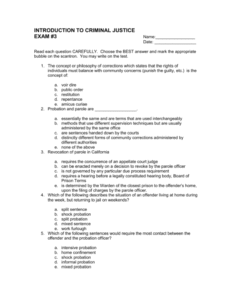
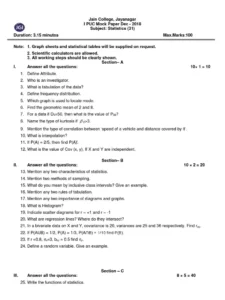
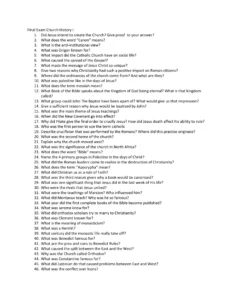
Download Link
Transportation-Engineering-Exam-Past-Paper-Mpya-news
The core focus of Transportation Engineering is highway and traffic engineering. Students learn about the design of roads, pavements, and intersections, as well as traffic flow theories and control systems. This includes the study of signals, signage, and intelligent transport systems that enhance safety and efficiency on busy networks. Additionally, the course emphasizes pavement design and materials, ensuring durability and cost-effectiveness in infrastructure projects.
Beyond highways, the course explores railway engineering, covering track design, alignment, station planning, and signaling systems. Similarly, it introduces the basics of airport engineering, including runway design, taxiways, and terminal layouts. Waterway and port engineering may also be included, giving students a broad perspective of the transportation sector.
Sustainability is another central theme in Transportation Engineering. With the rising demand for eco-friendly systems, students learn about green transportation methods, electric vehicles, mass transit solutions, and strategies to reduce carbon emissions. The integration of modern technology, such as GIS, simulation tools, and smart city concepts, also plays a significant role in solving today’s mobility challenges.
Practical training is an essential part of the course. Students engage in traffic surveys, pavement material testing, and design projects that simulate real-life conditions. This hands-on approach bridges the gap between theory and practice, preparing learners for careers in both the public and private sectors.
From a career perspective, Transportation Engineering opens numerous opportunities. Graduates can work with government transport departments, highway authorities, consulting firms, urban planning agencies, or global infrastructure companies. Job roles include transportation engineer, traffic analyst, pavement design engineer, or project manager. With ongoing investment in infrastructure worldwide, professionals in this field are in high demand.
In conclusion, Transportation Engineering is more than just building roads and railways—it is about creating sustainable, efficient, and safe systems that connect people and places. For students passionate about shaping modern infrastructure, this course provides the skills and knowledge to make a lasting impact on society.
Back to Mpya News Home page: Education, Fashion, Law, business and sports
Last updated on: September 2, 2025
External resource 1: Coursera Online Degrees
External resource 2: edX Professional Programs
Reference 1: U.S. News Education Rankings
Reference 2: SNHU Distance Learning
Reference 3: GCU University Programs
Photo credit: instagram.com
New information gained / new value takehome
- It ensures the safe, efficient, and sustainable movement of people and goods across different modes of transport, including roads, railways, airways, and waterways.
- Download Link Transportation-Engineering-Exam-Past-Paper-Mpya-news The core focus of Transportation Engineering is highway and traffic engineering.
- The integration of modern technology, such as GIS, simulation tools, and smart city concepts, also plays a significant role in solving today’s mobility challenges.
- Practical training is an essential part of the course.
- Back to Mpya News Home page: Education, Fashion, Law, business and sports Last updated on: September 2, 2025Mpya News Sitemap .
- News Education Rankings Reference 2: SNHU Distance Learning Reference 3: GCU University Programs Photo credit: instagram.
This content was developed using AI as part of our research process. To ensure absolute accuracy, all information has been rigorously fact-checked and validated by our human editor, Rodgers Mwenda.