Gigi Hadid continues to shape global fashion trends with her effortlessly chic style, and her swimwear choices are no exception. Known for blending modern silhouettes with timeless appeal, Gigi’s bikini looks consistently inspire fashion lovers searching for stylish yet wearable beach outfits.

From minimalist classics to bold statement pieces, this SEO-optimized guide explores 9 trendy bikini styles by Gigi Hadid, presented in an engaging question-and-answer format designed to keep readers informed while offering practical style inspiration you can apply immediately. 👙✨


Table of Contents

Why is Gigi Hadid a major influence in bikini fashion?

Gigi Hadid’s bikini style reflects a balance of comfort, elegance, and trend-forward creativity. Her swimwear looks often include:

Her appearances in major campaigns and fashion editorials continue to highlight her ability to transform simple swimwear into standout fashion statements.

Trendy Bikini Styles by Gigi Hadid to Copy Now hot


1. Why are sporty bikinis part of Gigi Hadid’s signature aesthetic?

Where functionality meets fashion

Sport-inspired bikinis are frequently seen in Gigi Hadid’s wardrobe. These styles offer both comfort and sleek appearance, making them ideal for active beach days.

Benefits of sporty swimwear

Styling tip

Layer with an oversized shirt or denim shorts for relaxed beach style. 🏖️


2. What makes high-waisted bikinis worn by Gigi Hadid so flattering?

Vintage inspiration with modern confidence

High-waisted bikini bottoms continue trending thanks to their ability to enhance natural curves while providing comfortable coverage.

sexy Trendy Bikini Styles by Gigi Hadid to Copy Now

Advantages of high-waisted bikinis

Style insight

Combine with minimalist tops for clean aesthetic. 👙


3. Why do bold color bikinis dominate Gigi Hadid’s beach looks?

Vibrant shades that stand out

Gigi frequently embraces eye-catching hues such as neon green, bright orange, and hot pink.

Why bold colors remain popular

Styling advice

Balance bold tones with neutral accessories. 🌴

ice Trendy Bikini Styles by Gigi Hadid to Copy Now


4. What makes textured bikinis part of Gigi Hadid’s modern fashion appeal?

Fabric details that elevate style

Textured fabrics such as ribbed or crinkle materials create visual interest while maintaining minimalist elegance.

Benefits of textured swimwear

Style suggestion

Pair textured bikinis with simple jewelry for elegant results. ✨

Trendy Bikini Styles by Gigi Hadid to Copy Now brown


5. Why are string bikinis associated with Gigi Hadid’s effortless look?

Minimalism that remains timeless

String bikinis remain one of the most versatile swimwear options thanks to their adjustable fit and clean silhouette.

Advantages of string bikinis

Styling insight

Choose neutral shades for versatile styling combinations. 💫

white Trendy Bikini Styles by Gigi Hadid to Copy Now


6. How do printed bikinis enhance Gigi Hadid’s fashion versatility?

Patterns that express personality

Gigi Hadid often incorporates striped, floral, and abstract prints into her swimwear collection.

Benefits of printed swimwear

Style tip

Limit accessories when wearing bold prints. 🌊


7. Why are underwire bikinis part of Gigi Hadid’s polished beach style?

Structure with sophistication

Underwire bikini tops provide additional shape and support, making them both stylish and practical.

Why underwire swimwear remains popular

Styling suggestion

Combine structured tops with simple bottoms. 👗


8. What makes monochrome bikinis part of Gigi Hadid’s sleek aesthetic?

Single-color styling that looks refined

Monochrome swimwear creates a polished appearance suitable for both casual and luxury beach settings.

Advantages of monochrome bikinis

Styling insight

Gold or silver accessories complement monochrome designs beautifully. 🖤


9. Why do asymmetrical bikinis highlight Gigi Hadid’s trendsetting influence?

Modern cuts that attract attention

Asymmetrical swimwear designs introduce creative structure, offering a fresh alternative to traditional bikini styles.

Benefits of asymmetrical bikinis

Style advice

Keep the rest of the outfit simple to highlight the design. 🔥


What fashion lessons can we learn from Gigi Hadid’s bikini choices?

Gigi Hadid’s swimwear style emphasizes important fashion principles:

Comfort enhances confidence

Feeling comfortable improves overall appearance.

Minimalism creates lasting appeal

Simple designs remain stylish across seasons.

Trend experimentation keeps style fresh

Trying new textures and cuts adds variety.

Versatility improves wardrobe value

Mix-and-match bikini pieces expand outfit options.


How can you recreate Gigi Hadid-inspired bikini looks?

Practical styling strategies

Choose flattering silhouettes

Select designs that complement your body shape.

Combine trendy and classic pieces

Balance modern details with timeless cuts.

Keep accessories simple

Minimal styling often creates elegant results.

Focus on comfort and quality

Well-made swimwear improves confidence and durability.


Frequently Asked Questions (FAQs)

Why is Gigi Hadid influential in swimwear fashion?

Her ability to combine modern trends with timeless style makes her a global fashion inspiration.

Are high-waisted bikinis still in trend?

Yes, high-waisted designs remain popular due to their flattering structure.

Do bold bikini colors suit all skin tones?

Bold colors can be adapted to suit various complexions when styled thoughtfully.

Are asymmetrical bikinis practical?

They are fashionable and ideal for stylish beach occasions.

Which bikini style is most versatile?

Monochrome and string bikinis offer flexible styling options.


Final Thoughts: Why Gigi Hadid’s Bikini Styles Are Worth Copying

Gigi Hadid continues to inspire modern beach fashion through confident styling and thoughtful design choices. Her ability to combine bold trends with wearable elegance makes her swimwear looks both aspirational and practical.

These 9 trendy bikini styles by Gigi Hadid provide inspiration for anyone seeking stylish and contemporary beach outfit ideas.

Whether you prefer minimalist silhouettes, bold colors, or textured fabrics, Gigi Hadid’s fashion choices demonstrate how confidence and creativity define personal style. 👙✨

Back to Mpya News Home page: Education, Fashion, Law, business and sports

Last updated on: April 8, 2026

External resource 1: Summersalt Official

External resource 2: Hunza G Collection

Reference 1: Monday Swimwear Fit Guide

Reference 2: Eres Paris Luxury Swim

Reference 3: Vitamin A Sustainability


Photo credit: instagram.com

New information gained / new value takehome

  • Benefits of printed swimwear Adds playful visual appeal Creates standout outfits Perfect for beach holidays Complements summer environment Style tip Limit accessories when wearing bold prints.
  • Gigi Hadid’s swimwear style emphasizes important fashion principles: Comfort enhances confidence Feeling comfortable improves overall appearance.
  • Trend experimentation keeps style fresh Trying new textures and cuts adds variety.
  • Keep accessories simple Minimal styling often creates elegant results.
  • 👙✨Back to Mpya News Home page: Education, Fashion, Law, business and sports Last updated on: April 8, 2026Mpya News Sitemap .
Verified Content

This content was developed using AI as part of our research process. To ensure absolute accuracy, all information has been rigorously fact-checked and validated by our human editor, Alex Munene.

About

Digital entrepreneur and content specialist at MPYA News, focused on delivering high-quality insights and resources.

Latest Posts

Download Past Paper On Educational Communication and Information Technology For Revision

Educational Communication and Information Technology is an important subject for...

Educational Communication and Information Technology is an essential subject for students pursuing education and teaching-related courses. It explores how communication skills, instructional resources, and modern technologies contribute to effective teaching and learning. Students preparing for examinations can use Educational Communication and Information Technology past papers alongside lecture notes, textbooks, and revision questions to strengthen their understanding. What is Educational Communication and Information Technology? Educational Communication and Information Technology refers to the application of communication principles and technological tools in educational settings. It helps teachers deliver information effectively and enables learners to access, process, and share knowledge through different channels. The subject includes communication processes, instructional media, computer applications, internet services, multimedia, e-learning, and digital educational resources. Why are Educational Communication and Information Technology past papers important? Past papers help students practise answering examination questions and become familiar with different question formats. They can also help learners identify areas that need more revision and improve their ability to manage examination time. Practising Educational Communication and Information Technology past exam papers alongside course notes can make preparation more organised. Which topics should students revise? Students should revise the main topics covered in their syllabus. These may include: Meaning and importance of communication in education Elements and models of communication Barriers to effective communication Verbal and non-verbal communication Instructional media and teaching aids Computer applications in education Internet services and digital learning resources Multimedia and e-learning Educational broadcasting Advantages and challenges of educational technology These topics provide a useful starting point for Educational Communication and Information Technology revision questions. What is the communication process? The communication process involves the exchange of information between a sender and a receiver. The sender develops a message, selects a channel, and transmits the information. The receiver interprets the message and may provide feedback. In a classroom, for example, a teacher explains a concept, learners listen and interpret the information, and their questions or responses provide feedback. What are the main elements of communication? The main elements include the sender, message, encoding, channel, receiver, decoding, feedback, and context. Noise can interfere with the process and affect understanding. Students should know the functions of these elements because they are useful when answering Educational Communication and Information Technology exam questions. What is the difference between verbal and non-verbal communication? Verbal communication uses spoken or written words to convey information. Examples include classroom discussions, lectures, textbooks, and written instructions. Non-verbal communication involves conveying meaning through gestures, facial expressions, posture, eye contact, and other visual signals. Teachers often use both forms to explain concepts and interact with learners. What are the barriers to effective communication? Communication barriers are factors that prevent a message from being transmitted or understood clearly. Examples include language differences, poor listening, unclear explanations, excessive classroom noise, cultural differences, and technical difficulties. Teachers can reduce these barriers by using clear language, encouraging questions, choosing suitable communication channels, and checking learners’ understanding. What is instructional media? Instructional media refers to materials and resources used to support teaching and learning. Examples include charts, diagrams, maps, models, photographs, audio recordings, videos, projectors, and computers. The appropriate teaching aid depends on the lesson objectives, subject content, learners’ needs, and available resources. How does information technology support education? Information technology supports education by helping users create, store, process, retrieve, and share information. Computers, mobile devices, digital platforms, and internet services can support research, classroom teaching, communication, assessment, and access to learning materials. However, effective use requires suitable resources, digital skills, and appropriate planning. What is e-learning? E-learning is the delivery or support of learning through electronic and digital technologies. It may involve virtual classrooms, online lessons, learning management systems, electronic textbooks, recorded lectures, and online assignments. Students preparing Educational Communication and Information Technology questions and answers should understand the meaning, benefits, and limitations of e-learning. What are the advantages and disadvantages of educational technology? Educational technology can improve access to information, support interactive lessons, encourage collaboration, and provide flexible learning opportunities. It can also help teachers present complex concepts through images, audio, and video. Possible disadvantages include high equipment costs, unreliable internet connections, unequal access to devices, technical problems, and distractions. Students should be able to discuss both benefits and challenges. How can students use past papers effectively? Students should attempt Educational Communication and Information Technology past papers before looking at their notes. After completing a paper, they can review mistakes, revisit difficult topics, and practise similar questions. Searching for Educational Communication and Information Technology past papers PDF can help students locate additional revision resources through authorised educational sources. How should students answer examination questions? Students should read each question carefully and identify the instruction. Words such as “define,” “explain,” “discuss,” “outline,” and “compare” require different responses. For essay questions, students should introduce the topic, explain each main point clearly, provide relevant examples where appropriate, and finish with a conclusion. Conclusion Preparing with Educational Communication and Information Technology past papers, exam questions, revision notes, and textbooks can help students develop a better understanding of the subject. Consistent revision and timed practice can improve knowledge, answer organisation, and examination skills.Educational Communication and Information Technology is an essential subject for students pursuing education and teaching-related courses. It explores how communication skills, instructional resources, and modern technologies contribute to effective teaching and learning. Students preparing for examinations can use Educational Communication and Information Technology past papers alongside lecture notes, textbooks, and revision questions to strengthen their understanding. What is Educational Communication and Information Technology? Educational Communication and Information Technology refers to the application of communication principles and technological tools in educational settings. It helps teachers deliver information effectively and enables learners to access, process, and share knowledge through different channels. The subject includes communication processes, instructional media, computer applications, internet services, multimedia, e-learning, and digital educational resources. Why are Educational Communication and Information Technology past papers important? Past papers help students practise answering examination questions and become familiar with different question formats. They can also help learners identify areas that need more revision and improve their ability to manage examination time. Practising Educational Communication and Information Technology past exam papers alongside course notes can make preparation more organised. Which topics should students revise? Students should revise the main topics covered in their syllabus. These may include: Meaning and importance of communication in education Elements and models of communication Barriers to effective communication Verbal and non-verbal communication Instructional media and teaching aids Computer applications in education Internet services and digital learning resources Multimedia and e-learning Educational broadcasting Advantages and challenges of educational technology These topics provide a useful starting point for Educational Communication and Information Technology revision questions. What is the communication process? The communication process involves the exchange of information between a sender and a receiver. The sender develops a message, selects a channel, and transmits the information. The receiver interprets the message and may provide feedback. In a classroom, for example, a teacher explains a concept, learners listen and interpret the information, and their questions or responses provide feedback. What are the main elements of communication? The main elements include the sender, message, encoding, channel, receiver, decoding, feedback, and context. Noise can interfere with the process and affect understanding. Students should know the functions of these elements because they are useful when answering Educational Communication and Information Technology exam questions. What is the difference between verbal and non-verbal communication? Verbal communication uses spoken or written words to convey information. Examples include classroom discussions, lectures, textbooks, and written instructions. Non-verbal communication involves conveying meaning through gestures, facial expressions, posture, eye contact, and other visual signals. Teachers often use both forms to explain concepts and interact with learners. What are the barriers to effective communication? Communication barriers are factors that prevent a message from being transmitted or understood clearly. Examples include language differences, poor listening, unclear explanations, excessive classroom noise, cultural differences, and technical difficulties. Teachers can reduce these barriers by using clear language, encouraging questions, choosing suitable communication channels, and checking learners’ understanding. What is instructional media? Instructional media refers to materials and resources used to support teaching and learning. Examples include charts, diagrams, maps, models, photographs, audio recordings, videos, projectors, and computers. The appropriate teaching aid depends on the lesson objectives, subject content, learners’ needs, and available resources. How does information technology support education? Information technology supports education by helping users create, store, process, retrieve, and share information. Computers, mobile devices, digital platforms, and internet services can support research, classroom teaching, communication, assessment, and access to learning materials. However, effective use requires suitable resources, digital skills, and appropriate planning. What is e-learning? E-learning is the delivery or support of learning through electronic and digital technologies. It may involve virtual classrooms, online lessons, learning management systems, electronic textbooks, recorded lectures, and online assignments. Students preparing Educational Communication and Information Technology questions and answers should understand the meaning, benefits, and limitations of e-learning. What are the advantages and disadvantages of educational technology? Educational technology can improve access to information, support interactive lessons, encourage collaboration, and provide flexible learning opportunities. It can also help teachers present complex concepts through images, audio, and video. Possible disadvantages include high equipment costs, unreliable internet connections, unequal access to devices, technical problems, and distractions. Students should be able to discuss both benefits and challenges. How can students use past papers effectively? Students should attempt Educational Communication and Information Technology past papers before looking at their notes. After completing a paper, they can review mistakes, revisit difficult topics, and practise similar questions. Searching for Educational Communication and Information Technology past papers PDF can help students locate additional revision resources through authorised educational sources. How should students answer examination questions? Students should read each question carefully and identify the instruction. Words such as “define,” “explain,” “discuss,” “outline,” and “compare” require different responses. For essay questions, students should introduce the topic, explain each main point clearly, provide relevant examples where appropriate, and finish with a conclusion. Conclusion Preparing with Educational Communication and Information Technology past papers, exam questions, revision notes, and textbooks can help students develop

Educational Communication and Information Technology is an important subject for...

Download Past Paper On Introduction to the Study of Language For Revision

Are you looking for Introduction to the Study of Language...

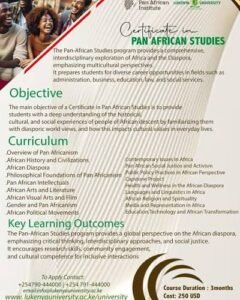
images 35 Download Past Paper On Studies in African Diaspora and Pan-Africanism for Revision

Download Past Paper On Studies in African Diaspora and Pan-Africanism for Revision

Are you looking for Studies in African Diaspora and Pan-Africanism...