Download Strategic Marketing Exam Past Paper
Strategic Marketing Exam Past Paper: Your Ultimate Guide to Smarter Revision (650 Words)
When preparing for a Strategic Marketing exam, one of the most powerful tools students overlook is the past exam paper. Whether you’re pursuing a degree in marketing, business management, or an MBA, past papers offer unique insights into exam patterns, question phrasing, and the level of critical thinking expected. In this blog, we’ll break down why Strategic Marketing past papers matter, what common FLQs (Frequently-Likely Questions) look like, and how to use these papers effectively to score top marks.
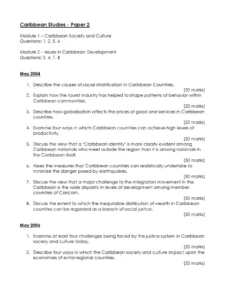
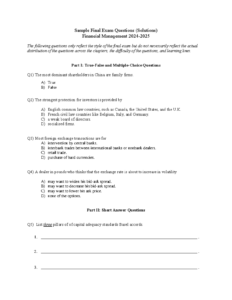
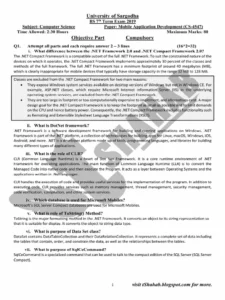
Strategic-Marketing-Exam-Past-Paper-Mpya-News
Why Strategic Marketing Past Papers Matter
Strategic Marketing is not just about memorizing concepts—it’s about applying theory to real-world scenarios. Past papers give you a snapshot of how examiners expect you to connect frameworks such as the Ansoff Matrix, Porter’s Five Forces, STP, and the 7Ps with practical business strategy.
Past papers typically include a mix of:
-
Case-study–based long questions
-
Application-based short answers
-
Essay questions requiring critical analysis
-
FLQs (Frequently-Likely Questions) based on core strategic frameworks
By working through these papers, students sharpen their ability to think strategically, communicate insights clearly, and manage time effectively.
FLQ Section: Common Strategic Marketing Exam Questions
Below are some FLQs (Frequently-Likely Questions) you can expect across different universities and exam boards. These are not exact past-paper questions but are highly representative of what Strategic Marketing exams usually include.
FLQ 1: “Explain the role of strategic planning in marketing management.”
This question often appears because strategic planning forms the backbone of marketing strategy. Students are expected to show understanding of mission statements, objectives, environmental scanning, and competitive positioning.
How to answer:
Define strategic planning → explain its purpose → relate it to marketing decisions → connect to long-term competitive advantage.
FLQ 2: “Using Porter’s Five Forces, analyze the competitive environment of a given industry.”
This type of question tests your ability to apply competitive-analysis frameworks. Examiners want structured thinking rather than description.
How to answer:
Identify the five forces → apply them to the industry → conclude with how they shape strategy.
FLQ 3: “Evaluate the components of the marketing mix for a selected organization.”
The 7Ps model (Product, Price, Place, Promotion, People, Process, Physical Evidence) regularly appears in Strategic Marketing exams.
How to answer:
Select a company → discuss each P → show how they align with strategic objectives.
FLQ 4: “Discuss market segmentation, targeting, and positioning (STP) and explain how organizations use STP to gain competitive advantage.”
This is another core concept that appears in almost every Strategic Marketing course.
How to answer:
Define segmentation, targeting, positioning → explain strategic relevance → give an example.
FLQ 5: “Assess the benefits and challenges of digital marketing strategies in modern organizations.”
With digital transformation being central to marketing today, questions involving digital tools, analytics, and online customer behaviour are increasingly common.
How to Use Past Papers for Effective Study
1. Start Early
Don’t wait until exam week. Begin reviewing past papers before finishing the syllabus. This helps you anticipate which areas require deeper attention.
2. Practice Under Exam Conditions
Time yourself. Strategic Marketing exams often include long essays that require skill in structuring responses concisely.
3. Identify Patterns
You’ll notice recurring themes: STP, competitive analysis, branding strategy, marketing planning, and digital strategy. These themes guide your revision priorities.
4. Write—Don’t Just Read
Active writing sharpens your ability to recall and apply theory quickly. Practice structuring answers with introduction, analysis, application, and conclusion.
5. Use Marking Schemes Where Available
Marking schemes show exactly what examiners reward: application, examples, clarity, and strategic insight.
Final Thoughts
Strategic Marketing Exam Past Paper: Your Ultimate Guide to Smarter Revision (650 Words)
When preparing for a Strategic Marketing exam, one of the most powerful tools students overlook is the past exam paper. Whether you’re pursuing a degree in marketing, business management, or an MBA, past papers offer unique insights into exam patterns, question phrasing, and the level of critical thinking expected. In this blog, we’ll break down why Strategic Marketing past papers matter, what common FLQs (Frequently-Likely Questions) look like, and how to use these papers effectively to score top marks.
Why Strategic Marketing Past Papers Matter
Strategic Marketing is not just about memorizing concepts—it’s about applying theory to real-world scenarios. Past papers give you a snapshot of how examiners expect you to connect frameworks such as the Ansoff Matrix, Porter’s Five Forces, STP, and the 7Ps with practical business strategy.
Past papers typically include a mix of:
-
Case-study–based long questions
-
Application-based short answers
-
Essay questions requiring critical analysis
-
FLQs (Frequently-Likely Questions) based on core strategic frameworks
By working through these papers, students sharpen their ability to think strategically, communicate insights clearly, and manage time effectively.
FLQ Section: Common Strategic Marketing Exam Questions
Below are some FLQs (Frequently-Likely Questions) you can expect across different universities and exam boards. These are not exact past-paper questions but are highly representative of what Strategic Marketing exams usually include.
FLQ 1: “Explain the role of strategic planning in marketing management.”
This question often appears because strategic planning forms the backbone of marketing strategy. Students are expected to show understanding of mission statements, objectives, environmental scanning, and competitive positioning.
How to answer:
Define strategic planning → explain its purpose → relate it to marketing decisions → connect to long-term competitive advantage.
FLQ 2: “Using Porter’s Five Forces, analyze the competitive environment of a given industry.”
This type of question tests your ability to apply competitive-analysis frameworks. Examiners want structured thinking rather than description.
How to answer:
Identify the five forces → apply them to the industry → conclude with how they shape strategy.
FLQ 3: “Evaluate the components of the marketing mix for a selected organization.”
The 7Ps model (Product, Price, Place, Promotion, People, Process, Physical Evidence) regularly appears in Strategic Marketing exams.
How to answer:
Select a company → discuss each P → show how they align with strategic objectives.
FLQ 4: “Discuss market segmentation, targeting, and positioning (STP) and explain how organizations use STP to gain competitive advantage.”
This is another core concept that appears in almost every Strategic Marketing course.
How to answer:
Define segmentation, targeting, positioning → explain strategic relevance → give an example.
FLQ 5: “Assess the benefits and challenges of digital marketing strategies in modern organizations.”
With digital transformation being central to marketing today, questions involving digital tools, analytics, and online customer behaviour are increasingly common.
How to Use Past Papers for Effective Study
1. Start Early
Don’t wait until exam week. Begin reviewing past papers before finishing the syllabus. This helps you anticipate which areas require deeper attention.
2. Practice Under Exam Conditions
Time yourself. Strategic Marketing exams often include long essays that require skill in structuring responses concisely.
3. Identify Patterns
You’ll notice recurring themes: STP, competitive analysis, branding strategy, marketing planning, and digital strategy. These themes guide your revision priorities.
4. Write—Don’t Just Read
Active writing sharpens your ability to recall and apply theory quickly. Practice structuring answers with introduction, analysis, application, and conclusion.
5. Use Marking Schemes Where Available
Marking schemes show exactly what examiners reward: application, examples, clarity, and strategic insight.
Final Thoughts
Strategic Marketing Exam Past Paper: Your Ultimate Guide to Smarter Revision (650 Words)
When preparing for a Strategic Marketing exam, one of the most powerful tools students overlook is the past exam paper. Whether you’re pursuing a degree in marketing, business management, or an MBA, past papers offer unique insights into exam patterns, question phrasing, and the level of critical thinking expected. In this blog, we’ll break down why Strategic Marketing past papers matter, what common FLQs (Frequently-Likely Questions) look like, and how to use these papers effectively to score top marks.
Why Strategic Marketing Past Papers Matter
Strategic Marketing is not just about memorizing concepts—it’s about applying theory to real-world scenarios. Past papers give you a snapshot of how examiners expect you to connect frameworks such as the Ansoff Matrix, Porter’s Five Forces, STP, and the 7Ps with practical business strategy.
Past papers typically include a mix of:
-
Case-study–based long questions
-
Application-based short answers
-
Essay questions requiring critical analysis
-
FLQs (Frequently-Likely Questions) based on core strategic frameworks
By working through these papers, students sharpen their ability to think strategically, communicate insights clearly, and manage time effectively.
FLQ Section: Common Strategic Marketing Exam Questions
Below are some FLQs (Frequently-Likely Questions) you can expect across different universities and exam boards. These are not exact past-paper questions but are highly representative of what Strategic Marketing exams usually include.
FLQ 1: “Explain the role of strategic planning in marketing management.”
This question often appears because strategic planning forms the backbone of marketing strategy. Students are expected to show understanding of mission statements, objectives, environmental scanning, and competitive positioning.
How to answer:
Define strategic planning → explain its purpose → relate it to marketing decisions → connect to long-term competitive advantage.
FLQ 2: “Using Porter’s Five Forces, analyze the competitive environment of a given industry.”
This type of question tests your ability to apply competitive-analysis frameworks. Examiners want structured thinking rather than description.
How to answer:
Identify the five forces → apply them to the industry → conclude with how they shape strategy.
FLQ 3: “Evaluate the components of the marketing mix for a selected organization.”
The 7Ps model (Product, Price, Place, Promotion, People, Process, Physical Evidence) regularly appears in Strategic Marketing exams.
How to answer:
Select a company → discuss each P → show how they align with strategic objectives.
FLQ 4: “Discuss market segmentation, targeting, and positioning (STP) and explain how organizations use STP to gain competitive advantage.”
This is another core concept that appears in almost every Strategic Marketing course.
How to answer:
Define segmentation, targeting, positioning → explain strategic relevance → give an example.
FLQ 5: “Assess the benefits and challenges of digital marketing strategies in modern organizations.”
With digital transformation being central to marketing today, questions involving digital tools, analytics, and online customer behaviour are increasingly common.
How to Use Past Papers for Effective Study
1. Start Early
Don’t wait until exam week. Begin reviewing past papers before finishing the syllabus. This helps you anticipate which areas require deeper attention.
2. Practice Under Exam Conditions
Time yourself. Strategic Marketing exams often include long essays that require skill in structuring responses concisely.
3. Identify Patterns
You’ll notice recurring themes: STP, competitive analysis, branding strategy, marketing planning, and digital strategy. These themes guide your revision priorities.
4. Write—Don’t Just Read
Active writing sharpens your ability to recall and apply theory quickly. Practice structuring answers with introduction, analysis, application, and conclusion.
5. Use Marking Schemes Where Available
Marking schemes show exactly what examiners reward: application, examples, clarity, and strategic insight.
Why Strategic Marketing Past Papers Matter
Strategic Marketing is not just about memorizing concepts—it’s about applying theory to real-world scenarios. Past papers give you a snapshot of how examiners expect you to connect frameworks such as the Ansoff Matrix, Porter’s Five Forces, STP, and the 7Ps with practical business strategy.
Past papers typically include a mix of:
-
Case-study–based long questions
-
Application-based short answers
-
Essay questions requiring critical analysis
-
FLQs (Frequently-Likely Questions) based on core strategic frameworks
By working through these papers, students sharpen their ability to think strategically, communicate insights clearly, and manage time effectively.
FLQ Section: Common Strategic Marketing Exam Questions
Below are some FLQs (Frequently-Likely Questions) you can expect across different universities and exam boards. These are not exact past-paper questions but are highly representative of what Strategic Marketing exams usually include.
FLQ 1: “Explain the role of strategic planning in marketing management.”
This question often appears because strategic planning forms the backbone of marketing strategy. Students are expected to show understanding of mission statements, objectives, environmental scanning, and competitive positioning.
How to answer:
Define strategic planning → explain its purpose → relate it to marketing decisions → connect to long-term competitive advantage.
FLQ 2: “Using Porter’s Five Forces, analyze the competitive environment of a given industry.”
This type of question tests your ability to apply competitive-analysis frameworks. Examiners want structured thinking rather than description.
How to answer:
Identify the five forces → apply them to the industry → conclude with how they shape strategy.
FLQ 3: “Evaluate the components of the marketing mix for a selected organization.”
The 7Ps model (Product, Price, Place, Promotion, People, Process, Physical Evidence) regularly appears in Strategic Marketing exams.
How to answer:
Select a company → discuss each P → show how they align with strategic objectives.
FLQ 4: “Discuss market segmentation, targeting, and positioning (STP) and explain how organizations use STP to gain competitive advantage.”
This is another core concept that appears in almost every Strategic Marketing course.
How to answer:
Define segmentation, targeting, positioning → explain strategic relevance → give an example.
FLQ 5: “Assess the benefits and challenges of digital marketing strategies in modern organizations.”
With digital transformation being central to marketing today, questions involving digital tools, analytics, and online customer behaviour are increasingly common.
How to Use Past Papers for Effective Study
1. Start Early
Don’t wait until exam week. Begin reviewing past papers before finishing the syllabus. This helps you anticipate which areas require deeper attention.
2. Practice Under Exam Conditions
Time yourself. Strategic Marketing exams often include long essays that require skill in structuring responses concisely.
3. Identify Patterns
You’ll notice recurring themes: STP, competitive analysis, branding strategy, marketing planning, and digital stThese rategy. themes guide your revision priorities.
4. Write—Don’t Just Read
Active writing sharpens your ability to recall and apply theory quickly. Practice structuring answers with introduction, analysis, application, and conclusion.
5. Use Marking Schemes Where Available
Marking schemes show exactly what examiners reward: application, examples, clarity, and strategic insight
Download Link
Back to Mpya News Home page: Education, Fashion, Law, business and sports
Last updated on: November 17, 2025
New information gained / new value takehome
- Whether you’re pursuing a degree in marketing, business management, or an MBA, past papers offer unique insights into exam patterns, question phrasing, and the level of critical thinking expected.
- ” This question often appears because strategic planning forms the backbone of marketing strategy.
- FLQ 5: “Assess the benefits and challenges of digital marketing strategies in modern organizations.
- Whether you’re pursuing a degree in marketing, business management, or an MBA, past papers offer unique insights into exam patterns, question phrasing, and the level of critical thinking expected.
- ” This question often appears because strategic planning forms the backbone of marketing strategy.
- FLQ 5: “Assess the benefits and challenges of digital marketing strategies in modern organizations.
- Whether you’re pursuing a degree in marketing, business management, or an MBA, past papers offer unique insights into exam patterns, question phrasing, and the level of critical thinking expected.
- ” This question often appears because strategic planning forms the backbone of marketing strategy.
- FLQ 5: “Assess the benefits and challenges of digital marketing strategies in modern organizations.
- ” This question often appears because strategic planning forms the backbone of marketing strategy.
This content was developed using AI as part of our research process. To ensure absolute accuracy, all information has been rigorously fact-checked and validated by our human editor, Wycklliff Muthinja.