Download Principles Marketing Exam Past Paper
What are Principles of Marketing past papers, and why are they important?
These are previously administered exam papers covering core marketing concepts like product, price, promotion, place, segmentation, and consumer behavior. They give students a clear sense of exam structure, common themes, and the depth of understanding required. By practicing with actual past questions, you learn both the content and how to apply it under test conditions.
Introduction-Business-Exam-Past-Paper-Mpya-News
Where can I find reliable past papers for Principles of Marketing?
There are several solid sources: Virtual University’s MGT301 past papers cover basic marketing theory and questions across different years. Ilmkidunya
Mount Kenya University (MKU) also provides past papers for the unit DBM1211: Principles of Marketing I. Past Exams+1
If you study at Strathmore University, you can access their DE 1301 – Principles of Marketing past exams. Strathmore University Plus
Also, KASNEB offers a collection of Principles of Marketing and Communication past papers with answers. Kasneb Notes+1
And for students at Meru University of Science & Technology, there’s a BFB 3151 exam paper available. Exam Papers
How do these past papers help with my preparation?
By working through past papers, you gain exposure to frequently tested marketing topics. You’ll see how segmentation, the 4 Ps, consumer behavior, and market research often feature in exams. This exposure helps you organize your revision around the most important content. Also, attempting real paper questions under timed conditions builds your exam endurance and refines how you unpack case-based or theory-driven prompts.
What kinds of questions typically appear in these marketing exams?
Expect a variety of question styles: there are long essay questions where you might be asked to discuss marketing philosophies (like production vs. product concept) or the importance of market segmentation. Kenyaplex+1 Short-answer questions test definitions, such as “What is consumer behavior?” or “Define promotion mix.” Kenyaplex There may also be scenario-based cases where you apply theories to business situations—for example, recommending how a company should segment its market or set prices.
How should I approach essays in these past papers?
Start with a clear introduction defining important marketing terms or frameworks. In the body, apply theory to practical examples—use well-known marketing concepts (like the 4 Ps, SWOT, consumer decision-making processes) and discuss their relevance in real business scenarios. Be sure to weigh pros and cons where relevant, and conclude by summarizing key points and your recommendation or evaluation.
Can I use diagrams in my answers, and will they help?
Yes—diagrams such as the marketing mix, Ansoff Matrix, or consumer decision journey can make your answer clearer and more structured. Drawing a labeled distribution channel or segmentation model demonstrates that you understand both theory and its practical relevance. These visual tools often help earn extra marks by making explanations more concise and memorable.
What’s the best way to time myself when using past papers?
Simulating actual exam conditions is very useful. Allocate the same amount of time as the real exam and try to complete the past paper without referring to notes. This will help you practice pacing, decide how much time to spend on long essays versus short-answer or scenario questions, and build stamina for exam day.
After completing a past paper, what should I do next?
Go through your answers and compare them with lecture notes, textbooks, or any available marking scheme. Identify areas where you missed key points or didn’t fully apply marketing concepts. Make notes on weaknesses—maybe your understanding of pricing strategies or consumer behavior needs strengthening—and revise accordingly. Then, try those same topics again in another past paper to reinforce learning.
How often should I practice these past papers before the exam?
Incorporate them into your study schedule from early on. Begin by attempting one past paper every week or two to evaluate your understanding and identify trouble spots. As your exam date approaches, increase to more frequent practice—ideally under timed conditions—to mimic the pressure of the real test.
Are past papers useful for group study?
Definitely. Study groups can be a great way to tackle past papers together: assign different questions to each member, then discuss your answers, marketing frameworks, and case interpretations. This collaborative approach helps you gather insights from others’ thinking and improves how you apply concepts.
What are Principles of Marketing past papers, and why are they important?
These are previously administered exam papers covering core marketing concepts like product, price, promotion, place, segmentation, and consumer behavior. They give students a clear sense of exam structure, common themes, and the depth of understanding required. By practicing with actual past questions, you learn both the content and how to apply it under test conditions.
Where can I find reliable past papers for Principles of Marketing?
There are several solid sources: Virtual University’s MGT301 past papers cover basic marketing theory and questions across different years.
Mount Kenya University (MKU) also provides past papers for the unit DBM1211: Principles of Marketing I.
If you study at Strathmore University, you can access their DE 1301 – Principles of Marketing past exams. s
Also, KASNEB offers a collection of Principles of Marketing and Communication past papers with answers.
And for students at Meru University of Science & Technology, there’s a BFB 3151 exam paper available. Exam Papers
How do these past papers help with my preparation?
By working through past papers, you gain exposure to frequently tested marketing topics. You’ll see how segmentation, the 4 Ps, consumer behavior, and market research often feature in exams. This exposure helps you organize your revision around the most important content. Also, attempting real paper questions under timed conditions builds your exam endurance and refines how you unpack case-based or theory-driven prompts.
What kinds of questions typically appear in these marketing exams?
Expect a variety of question styles: there are long essay questions where you might be asked to discuss marketing philosophies (like production vs. product concept) or the importance of market segmentation. Kenyaplex+1 Short-answer questions test definitions, such as “What is consumer behavior?” or “Define promotion mix.” Kenyaplex There may also be scenario-based cases where you apply theories to business situations—for example, recommending how a company should segment its market or set prices.
How should I approach essays in these past papers?
Start with a clear introduction defining important marketing terms or frameworks. In the body, apply theory to practical examples—use well-known marketing concepts (like the 4 Ps, SWOT, consumer decision-making processes) and discuss their relevance in real business scenarios. Be sure to weigh pros and cons where relevant, and conclude by summarizing key points and your recommendation or evaluation.
Can I use diagrams in my answers, and will they help?
Yes—diagrams such as the marketing mix, Ansoff Matrix, or consumer decision journey can make your answer clearer and more structured. Drawing a labeled distribution channel or segmentation model demonstrates that you understand both theory and its practical relevance. These visual tools often help earn extra marks by making explanations more concise and memorable.
What’s the best way to time myself when using past papers?
Simulating actual exam conditions is very useful. Allocate the same amount of time as the real exam and try to complete the past paper without referring to notes. This will help you practice pacing, decide how much time to spend on long essays versus short-answer or scenario questions, and build stamina for exam day.
After completing a past paper, what should I do next?
Go through your answers and compare them with lecture notes, textbooks, or any available marking scheme. Identify areas where you missed key points or didn’t fully apply marketing concepts. Make notes on weaknesses—maybe your understanding of pricing strategies or consumer behavior needs strengthening—and revise accordingly. Then, try those same topics again in another past paper to reinforce learning.
How often should I practice these past papers before the exam?
Incorporate them into your study schedule from early on. Begin by attempting one past paper every week or two to evaluate your understanding and identify trouble spots. As your exam date approaches, increase to more frequent practice—ideally under timed conditions—to mimic the pressure of the real test.
Are past papers useful for group study?
Definitely. Study groups can be a great way to tackle past papers together: assign different questions to each member, then discuss your answers, marketing frameworks, and case interpretations. This collaborative approach helps you gather insights from others’ thinking and improves how you apply concepts.
What are Principles of Marketing past papers, and why are they important?
These are previously administered exam papers covering core marketing concepts like product, price, promotion, place, segmentation, and consumer behavior. They give students a clear sense of exam structure, common themes, and the depth of understanding required. By practicing with actual past questions, you learn both the content and how to apply it under test conditions.
Where can I find reliable past papers for Principles of Marketing?
There are several solid sources: Virtual University’s MGT301 past papers cover basic marketing theory and questions across different years. Ilmkidunya
Mount Kenya University (MKU) also provides past papers for the unit DBM1211: Principles of Marketing I. Past Exams+1
If you study at Strathmore University, you can access their DE 1301 – Principles of Marketing past exams. Strathmore University Plus
Also, KASNEB offers a collection of Principles of Marketing and Communication past papers with answers. Kasneb Notes+1
And for students at Meru University of Science & Technology, there’s a BFB 3151 exam paper available. Exam Papers
How do these past papers help with my preparation?
By working through past papers, you gain exposure to frequently tested marketing topics. You’ll see how segmentation, the 4 Ps, consumer behavior, and market research often feature in exams. This exposure helps you organize your revision around the most important content. Also, attempting real paper questions under timed conditions builds your exam endurance and refines how you unpack case-based or theory-driven prompts.
What kinds of questions typically appear in these marketing exams?
Expect a variety of question styles: there are long essay questions where you might be asked to discuss marketing philosophies (like production vs. product concept) or the importance of market segmentation. Kenyaplex+1 Short-answer questions test definitions, such as “What is consumer behavior?” or “Define promotion mix.” Kenyaplex There may also be scenario-based cases where you apply theories to business situations—for example, recommending how a company should segment its market or set prices.
How should I approach essays in these past papers?
Start with a clear introduction defining important marketing terms or frameworks. In the body, apply theory to practical examples—use well-known marketing concepts (like the 4 Ps, SWOT, consumer decision-making processes) and discuss their relevance in real business scenarios. Be sure to weigh pros and cons where relevant, and conclude by summarizing key points and your recommendation or evaluation.
Can I use diagrams in my answers, and will they help?
Yes—diagrams such as the marketing mix, Ansoff Matrix, or consumer decision journey can make your answer clearer and more structured. Drawing a labeled distribution channel or segmentation model demonstrates that you understand both theory and its practical relevance. These visual tools often help earn extra marks by making explanations more concise and memorable.
What’s the best way to time myself when using past papers?
Simulating actual exam conditions is very useful. Allocate the same amount of time as the real exam and try to complete the past paper without referring to notes. This will help you practice pacing, decide how much time to spend on long essays versus short-answer or scenario questions, and build stamina for exam day.
After completing a past paper, what should I do next?
Go through your answers and compare them with lecture notes, textbooks, or any available marking scheme. Identify areas where you missed key points or didn’t fully apply marketing concepts. Make notes on weaknesses—maybe your understanding of pricing strategies or consumer behavior needs strengthening—and revise accordingly. Then, try those same topics again in another past paper to reinforce learning.
How often should I practice these past papers before the exam?
Incorporate them into your study schedule from early on. Begin by attempting one past paper every week or two to evaluate your understanding and identify trouble spots. As your exam date approaches, increase to more frequent practice—ideally under timed conditions—to mimic the pressure of the real test.
Are past papers useful for group study?
Definitely. Study groups can be a great way to tackle past papers together: assign different questions to each member, then discuss your answers, marketing frameworks, and case interpretations. This collaborative approach helps you gather insights from others’ thinking and improves how you apply concepts.
What are Principles of Marketing past papers, and why are they important?
These are previously administered exam papers covering core marketing concepts like product, price, promotion, place, segmentation, and consumer behavior. They give students a clear sense of exam structure, common themes, and the depth of understanding required. By practicing with actual past questions, you learn both the content and how to apply it under test conditions.
Where can I find reliable past papers for Principles of Marketing?
There are several solid sources: Virtual University’s MGT301 past papers cover basic marketing theory and questions across different years. Ilmkidunya
Mount Kenya University (MKU) also provides past papers for the unit DBM1211: Principles of Marketing I. Past Exams+1
If you study at Strathmore University, you can access their DE 1301 – Principles of Marketing past exams. Strathmore University Plus
Also, KASNEB offers a collection of Principles of Marketing and Communication past papers with answers. Kasneb Notes+1
And for students at Meru University of Science & Technology, there’s a BFB 3151 exam paper available. Exam Papers
How do these past papers help with my preparation?
By working through past papers, you gain exposure to frequently tested marketing topics. You’ll see how segmentation, the 4 Ps, consumer behavior, and market research often feature in exams. This exposure helps you organize your revision around the most important content. Also, attempting real paper questions under timed conditions builds your exam endurance and refines how you unpack case-based or theory-driven prompts.
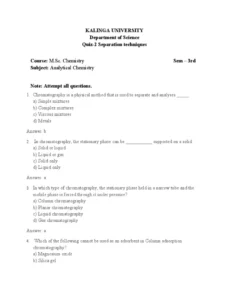
What kinds of questions typically appear in these marketing exams?
Expect a variety of question styles: there are long essay questions where you might be asked to discuss marketing philosophies (like production vs. product concept) or the importance of market segmentation. Kenyaplex+1 Short-answer questions test definitions, such as “What is consumer behavior?” or “Define promotion mix.” Kenyaplex There may also be scenario-based cases where you apply theories to business situations—for example, recommending how a company should segment its market or set prices.
How should I approach essays in these past papers?
Start with a clear introduction defining important marketing terms or frameworks. In the body, apply theory to practical examples—use well-known marketing concepts (like the 4 Ps, SWOT, consumer decision-making processes) and discuss their relevance in real business scenarios. Be sure to weigh pros and cons where relevant, and conclude by summarizing key points and your recommendation or evaluation.
Can I use diagrams in my answers, and will they help?
Yes—diagrams such as the marketing mix, Ansoff Matrix, or consumer decision journey can make your answer clearer and more structured. Drawing a labeled distribution channel or segmentation model demonstrates that you understand both theory and its practical relevance. These visual tools often help earn extra marks by making explanations more concise and memorable.
What’s the best way to time myself when using past papers?
Simulating actual exam conditions is very useful. Allocate the same amount of time as the real exam and try to complete the past paper without referring to notes. This will help you practice pacing, decide how much time to spend on long essays versus short-answer or scenario questions, and build stamina for exam day.
After completing a past paper, what should I do next?
Go through your answers and compare them with lecture notes, textbooks, or any available marking scheme. Identify areas where you missed key points or didn’t fully apply marketing concepts. Make notes on weaknesses—maybe your understanding of pricing strategies or consumer behavior needs strengthening—and revise accordingly. Then, try those same topics again in another past paper to reinforce learning.
How often should I practice these past papers before the exam?
Incorporate them into your study schedule from early on. Begin by attempting one past paper every week or two to evaluate your understanding and identify trouble spots. As your exam date approaches, increase to more frequent practice—ideally under timed conditions—to mimic the pressure of the real test.
Are past papers useful for group study?
Definitely. Study groups can be a great way to tackle past papers together: assign different questions to each member, then discuss your answers, marketing frameworks, and case interpretations. This collaborative approach helps you gather insights from others’ thinking and improves how you apply concepts.
What are Principles of Marketing past papers, and why are they important?
These are previously administered exam papers covering core marketing concepts like product, price, promotion, place, segmentation, and consumer behavior. They give students a clear sense of exam structure, common themes, and the depth of understanding required. By practicing with actual past questions, you learn both the content and how to apply it under test conditions.
Where can I find reliable past papers for Principles of Marketing?
There are several solid sources: Virtual University’s MGT301 past papers cover basic marketing theory and questions across different years. Ilmkidunya
Mount Kenya University (MKU) also provides past papers for the unit DBM1211: Principles of Marketing I. Past Exams+1
If you study at Strathmore University, you can access their DE 1301 – Principles of Marketing past exams. Strathmore University Plus
Also, KASNEB offers a collection of Principles of Marketing and Communication past papers with answers. Kasneb Notes+1
And for students at Meru University of Science & Technology, there’s a BFB 3151 exam paper available. Exam Papers
How do these past papers help with my preparation?
By working through past papers, you gain exposure to frequently tested marketing topics. You’ll see how segmentation, the 4 Ps, consumer behavior, and market research often feature in exams. This exposure helps you organize your revision around the most important content. Also, attempting real paper questions under timed conditions builds your exam endurance and refines how you unpack case-based or theory-driven prompts.
What kinds of questions typically appear in these marketing exams?
Expect a variety of question styles: there are long essay questions where you might be asked to discuss marketing philosophies (like production vs. product concept) or the importance of market segmentation. Kenyaplex+1 Short-answer questions test definitions, such as “What is consumer behavior?” or “Define promotion mix.” Kenyaplex There may also be scenario-based cases where you apply theories to business situations—for example, recommending how a company should segment its market or set prices.
How should I approach essays in these past papers?
Start with a clear introduction defining important marketing terms or frameworks. In the body, apply theory to practical examples—use well-known marketing concepts (like the 4 Ps, SWOT, consumer decision-making processes) and discuss their relevance in real business scenarios. Be sure to weigh pros and cons where relevant, and conclude by summarizing key points and your recommendation or evaluation.
Can I use diagrams in my answers, and will they help?
Yes—diagrams such as the marketing mix, Ansoff Matrix, or consumer decision journey can make your answer clearer and more structured. Drawing a labeled distribution channel or segmentation model demonstrates that you understand both theory and its practical relevance. These visual tools often help earn extra marks by making explanations more concise and memorable.
What’s the best way to time myself when using past papers?
Simulating actual exam conditions is very useful. Allocate the same amount of time as the real exam and try to complete the past paper without referring to notes. This will help you practice pacing, decide how much time to spend on long essays versus short-answer or scenario questions, and build stamina for exam day.
After completing a past paper, what should I do next?
Go through your answers and compare them with lecture notes, textbooks, or any available marking scheme. Identify areas where you missed key points or didn’t fully apply marketing concepts. Make notes on weaknesses—maybe your understanding of pricing strategies or consumer behavior needs strengthening—and revise accordingly. Then, try those same topics again in another past paper to reinforce learning.
How often should I practice these past papers before the exam?
Incorporate them into your study schedule from early on. Begin by attempting one past paper every week or two to evaluate your understanding and identify trouble spots. As your exam date approaches, increase to more frequent practice—ideally under timed conditions—to mimic the pressure of the real test.

Are past papers useful for group study?
Definitely. Study groups can be a great way to tackle past papers together: assign different questions to each member, then discuss your answers, marketing frameworks, and case interpretations. This collaborative approach helps you gather insights from others’ thinking and improves how you apply concepts.
What are Principles of Marketing past papers, and why are they important?
These are previously administered exam papers covering core marketing concepts like product, price, promotion, place, segmentation, and consumer behavior. They give students a clear sense of exam structure, common themes, and the depth of understanding required. By practicing with actual past questions, you learn both the content and how to apply it under test conditions.
Where can I find reliable past papers for Principles of Marketing?
There are several solid sources: Virtual University’s MGT301 past papers cover basic marketing theory and questions across different years. Ilmkidunya
Mount Kenya University (MKU) also provides past papers for the unit DBM1211: Principles of Marketing I. Past Exams+1
If you study at Strathmore University, you can access their DE 1301 – Principles of Marketing past exams. Strathmore University Plus
Also, KASNEB offers a collection of Principles of Marketing and Communication past papers with answers. Kasneb Notes+1
And for students at Meru University of Science & Technology, there’s a BFB 3151 exam paper available. Exam Papers
How do these past papers help with my preparation?
By working through past papers, you gain exposure to frequently tested marketing topics. You’ll see how segmentation, the 4 Ps, consumer behavior, and market research often feature in exams. This exposure helps you organize your revision around the most important content. Also, attempting real paper questions under timed conditions builds your exam endurance and refines how you unpack case-based or theory-driven prompts.
What kinds of questions typically appear in these marketing exams?
Expect a variety of question styles: there are long essay questions where you might be asked to discuss marketing philosophies (like production vs. product concept) or the importance of market segmentation. Kenyaplex+1 Short-answer questions test definitions, such as “What is consumer behavior?” or “Define promotion mix.” Kenyaplex There may also be scenario-based cases where you apply theories to business situations—for example, recommending how a company should segment its market or set prices.
How should I approach essays in these past papers?
Start with a clear introduction defining important marketing terms or frameworks. In the body, apply theory to practical examples—use well-known marketing concepts (like the 4 Ps, SWOT, consumer decision-making processes) and discuss their relevance in real business scenarios. Be sure to weigh pros and cons where relevant, and conclude by summarizing key points and your recommendation or evaluation.
Can I use diagrams in my answers, and will they help?
Yes—diagrams such as the marketing mix, Ansoff Matrix, or consumer decision journey can make your answer clearer and more structured. Drawing a labeled distribution channel or segmentation model demonstrates that you understand both theory and its practical relevance. These visual tools often help earn extra marks by making explanations more concise and memorable.
What’s the best way to time myself when using past papers?
Simulating actual exam conditions is very useful. Allocate the same amount of time as the real exam and try to complete the past paper without referring to notes. This will help you practice pacing, decide how much time to spend on long essays versus short-answer or scenario questions, and build stamina for exam day.
After completing a past paper, what should I do next?
Go through your answers and compare them with lecture notes, textbooks, or any available marking scheme. Identify areas where you missed key points or didn’t fully apply marketing concepts. Make notes on weaknesses—maybe your understanding of pricing strategies or consumer behavior needs strengthening—and revise accordingly. Then, try those same topics again in another past paper to reinforce learning.
How often should I practice these past papers before the exam?
Incorporate them into your study schedule from early on. Begin by attempting one past paper every week or two to evaluate your understanding and identify trouble spots. As your exam date approaches, increase to more frequent practice—ideally under timed conditions—to mimic the pressure of the real test.
Are past papers useful for group study?
Definitely. Study groups can be a great way to tackle past papers together: assign different questions to each member, then discuss your answers, marketing frameworks, and case interpretations. This collaborative approach helps you gather insights from others’ thinking and improves how you apply concepts.
Download Link
Back to Mpya News Home page: Education, Fashion, Law, business and sports
Last updated on: November 14, 2025
New information gained / new value takehome
- Download Principles Marketing Exam Past Paper What are Principles of Marketing past papers, and why are they important?
- Introduction-Business-Exam-Past-Paper-Mpya-News Where can I find reliable past papers for Principles of Marketing?
- Kasneb Notes+1And for students at Meru University of Science & Technology, there’s a BFB 3151 exam paper available.
- This exposure helps you organize your revision around the most important content.
- ” Kenyaplex There may also be scenario-based cases where you apply theories to business situations—for example, recommending how a company should segment its market or set prices.
- Start with a clear introduction defining important marketing terms or frameworks.
- Be sure to weigh pros and cons where relevant, and conclude by summarizing key points and your recommendation or evaluation.
- Allocate the same amount of time as the real exam and try to complete the past paper without referring to notes.
- Go through your answers and compare them with lecture notes, textbooks, or any available marking scheme.
- Identify areas where you missed key points or didn’t fully apply marketing concepts.
This content was developed using AI as part of our research process. To ensure absolute accuracy, all information has been rigorously fact-checked and validated by our human editor, Wycklliff Muthinja.