WHAT Is the ?Financial-Accounting-Exam-Past-Papers-Mpya-News

The Financial Accounting Exam measures your understanding of how businesses record, summarize, and report financial information. It evaluates both theoretical knowledge and the practical application of accounting principles, focusing on topics such as financial statements, double-entry bookkeeping, adjustments, ratios, and interpretation of results. Many exams also test your ability to apply international accounting policy-page-at-mpya-news/" title="Standards">standards (IFRS) and analyze real-world financial data. Success requires not just memorization but a clear grasp of how accounting systems reflect business performance and decision-making.

Financial-Accounting-Exam-Past-Papers-Mpya-News


Why Are Past Papers Important for Preparation?

Past papers are one of the most effective resources for preparing for your Financial Accounting Exam. They help you understand the structure of questions, the marking scheme, and the level of detail examiners expect. Working through previous papers familiarizes you with common question types—such as preparing statements of financial position, income statements, or cash flow statements—and allows you to practice applying theory under time pressure. Reviewing past exams also highlights recurring themes, helping you focus revision on high-priority areas.
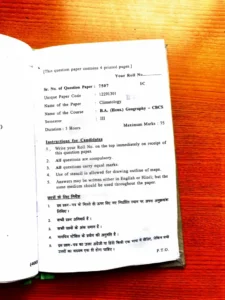

Where Can You Find Financial Accounting Exam Past Papers?

Past papers are often available through your university’s accounting department, online course portals, or official exam bodies. Many institutions post downloadable archives for students to use as study material. Educational websites, student discussion boards, and online repositories dedicated to accounting resources also share past papers and marking guides. Textbooks sometimes include exam-style questions modeled after real papers. Always make sure the papers you use correspond to your current syllabus, as accounting standards and formats can change over time.


How Should You Use Past Papers Effectively?

The best way to benefit from past papers is to treat each one as a mock exam. Create exam-like conditions: set a timer, eliminate distractions, and complete the paper within the allocated time. After finishing, mark your work using official answer guides if available. Pay attention to where you lost marks—these indicate areas needing improvement. For complex problems, revisit your accounting notes and practice similar exercises until you can complete them confidently. Consistent practice strengthens both technical accuracy and exam endurance.


What Topics Are Commonly Covered in Past Papers?

Most Financial Accounting exams include a mix of theory and practical problem-solving. Common topics include preparation of financial statements for sole traders, partnerships, and limited companies; adjustments such as depreciation, bad debts, and accruals; bank reconciliations; error correction and suspense accounts; and interpretation of financial ratios. At advanced levels, questions may also cover consolidated statements, cash flow analysis, and accounting for leases or intangible assets. Reviewing multiple years of past papers helps identify patterns and determine which topics deserve extra study time.


How Do Past Papers Improve Exam Performance?

Practicing past papers boosts your confidence and sharpens problem-solving skills. They help you manage time efficiently, ensuring you allocate the right amount of time per question. You’ll become more comfortable interpreting question requirements and deciding how to structure your answers for clarity and accuracy. Working through calculations repeatedly improves your speed and precision with figures, while essay-type questions strengthen your ability to explain accounting concepts clearly. Over time, this targeted practice transforms preparation into predictable success.

Are There Digital Tools to Support Accounting Exam Preparation?

Several online tools and apps can enhance your study routine. Accounting simulation software, online quizzes, and spreadsheet tools such as Excel help you practice calculations and statement preparation. Flashcard apps can reinforce definitions and accounting terms, while study platforms like Quizlet or Google Classroom allow group collaboration and resource sharing. Many universities also offer access to digital accounting labs or practice modules, giving students a hands-on experience that complements theory with real-world application.


Final Tips for Financial Accounting Exam Success

Start revising early and use past papers strategically—don’t just complete them once. Review your mistakes carefully and understand why certain answers are correct. Memorize key formats for statements and know how to apply accounting principles in different contexts. Keep up with updates to financial reporting standards to ensure your answers are current and accurate. During the exam, manage your time wisely, show all workings clearly, and double-check figures for arithmetic errors. Consistency and attention to detail are your greatest assets.

Download Link

Back to Mpya News Home page: Education, Fashion, Law, business and sports
Last updated on: November 10, 2025

New information gained / new value takehome

  • Financial-Accounting-Exam-Past-Papers-Mpya-News The Financial Accounting Exam measures your understanding of how businesses record, summarize, and report financial information.
  • Financial-Accounting-Exam-Past-Papers-Mpya-News Why Are Past Papers Important for Preparation?
  • The best way to benefit from past papers is to treat each one as a mock exam.
  • For complex problems, revisit your accounting notes and practice similar exercises until you can complete them confidently.
  • Reviewing multiple years of past papers helps identify patterns and determine which topics deserve extra study time.
  • Final Tips for Financial Accounting Exam Success Start revising early and use past papers strategically—don’t just complete them once.
  • Memorize key formats for statements and know how to apply accounting principles in different contexts.
  • Keep up with updates to financial reporting standards to ensure your answers are current and accurate.
Verified Content

This content was developed using AI as part of our research process. To ensure absolute accuracy, all information has been rigorously fact-checked and validated by our human editor, mpyanews.

About

Mpya News is the winner of global website of the year

Latest Posts

Download Past Paper On Educational Communication and Information Technology For Revision

Educational Communication and Information Technology is an important subject for...

Educational Communication and Information Technology is an essential subject for students pursuing education and teaching-related courses. It explores how communication skills, instructional resources, and modern technologies contribute to effective teaching and learning. Students preparing for examinations can use Educational Communication and Information Technology past papers alongside lecture notes, textbooks, and revision questions to strengthen their understanding. What is Educational Communication and Information Technology? Educational Communication and Information Technology refers to the application of communication principles and technological tools in educational settings. It helps teachers deliver information effectively and enables learners to access, process, and share knowledge through different channels. The subject includes communication processes, instructional media, computer applications, internet services, multimedia, e-learning, and digital educational resources. Why are Educational Communication and Information Technology past papers important? Past papers help students practise answering examination questions and become familiar with different question formats. They can also help learners identify areas that need more revision and improve their ability to manage examination time. Practising Educational Communication and Information Technology past exam papers alongside course notes can make preparation more organised. Which topics should students revise? Students should revise the main topics covered in their syllabus. These may include: Meaning and importance of communication in education Elements and models of communication Barriers to effective communication Verbal and non-verbal communication Instructional media and teaching aids Computer applications in education Internet services and digital learning resources Multimedia and e-learning Educational broadcasting Advantages and challenges of educational technology These topics provide a useful starting point for Educational Communication and Information Technology revision questions. What is the communication process? The communication process involves the exchange of information between a sender and a receiver. The sender develops a message, selects a channel, and transmits the information. The receiver interprets the message and may provide feedback. In a classroom, for example, a teacher explains a concept, learners listen and interpret the information, and their questions or responses provide feedback. What are the main elements of communication? The main elements include the sender, message, encoding, channel, receiver, decoding, feedback, and context. Noise can interfere with the process and affect understanding. Students should know the functions of these elements because they are useful when answering Educational Communication and Information Technology exam questions. What is the difference between verbal and non-verbal communication? Verbal communication uses spoken or written words to convey information. Examples include classroom discussions, lectures, textbooks, and written instructions. Non-verbal communication involves conveying meaning through gestures, facial expressions, posture, eye contact, and other visual signals. Teachers often use both forms to explain concepts and interact with learners. What are the barriers to effective communication? Communication barriers are factors that prevent a message from being transmitted or understood clearly. Examples include language differences, poor listening, unclear explanations, excessive classroom noise, cultural differences, and technical difficulties. Teachers can reduce these barriers by using clear language, encouraging questions, choosing suitable communication channels, and checking learners’ understanding. What is instructional media? Instructional media refers to materials and resources used to support teaching and learning. Examples include charts, diagrams, maps, models, photographs, audio recordings, videos, projectors, and computers. The appropriate teaching aid depends on the lesson objectives, subject content, learners’ needs, and available resources. How does information technology support education? Information technology supports education by helping users create, store, process, retrieve, and share information. Computers, mobile devices, digital platforms, and internet services can support research, classroom teaching, communication, assessment, and access to learning materials. However, effective use requires suitable resources, digital skills, and appropriate planning. What is e-learning? E-learning is the delivery or support of learning through electronic and digital technologies. It may involve virtual classrooms, online lessons, learning management systems, electronic textbooks, recorded lectures, and online assignments. Students preparing Educational Communication and Information Technology questions and answers should understand the meaning, benefits, and limitations of e-learning. What are the advantages and disadvantages of educational technology? Educational technology can improve access to information, support interactive lessons, encourage collaboration, and provide flexible learning opportunities. It can also help teachers present complex concepts through images, audio, and video. Possible disadvantages include high equipment costs, unreliable internet connections, unequal access to devices, technical problems, and distractions. Students should be able to discuss both benefits and challenges. How can students use past papers effectively? Students should attempt Educational Communication and Information Technology past papers before looking at their notes. After completing a paper, they can review mistakes, revisit difficult topics, and practise similar questions. Searching for Educational Communication and Information Technology past papers PDF can help students locate additional revision resources through authorised educational sources. How should students answer examination questions? Students should read each question carefully and identify the instruction. Words such as “define,” “explain,” “discuss,” “outline,” and “compare” require different responses. For essay questions, students should introduce the topic, explain each main point clearly, provide relevant examples where appropriate, and finish with a conclusion. Conclusion Preparing with Educational Communication and Information Technology past papers, exam questions, revision notes, and textbooks can help students develop a better understanding of the subject. Consistent revision and timed practice can improve knowledge, answer organisation, and examination skills.Educational Communication and Information Technology is an essential subject for students pursuing education and teaching-related courses. It explores how communication skills, instructional resources, and modern technologies contribute to effective teaching and learning. Students preparing for examinations can use Educational Communication and Information Technology past papers alongside lecture notes, textbooks, and revision questions to strengthen their understanding. What is Educational Communication and Information Technology? Educational Communication and Information Technology refers to the application of communication principles and technological tools in educational settings. It helps teachers deliver information effectively and enables learners to access, process, and share knowledge through different channels. The subject includes communication processes, instructional media, computer applications, internet services, multimedia, e-learning, and digital educational resources. Why are Educational Communication and Information Technology past papers important? Past papers help students practise answering examination questions and become familiar with different question formats. They can also help learners identify areas that need more revision and improve their ability to manage examination time. Practising Educational Communication and Information Technology past exam papers alongside course notes can make preparation more organised. Which topics should students revise? Students should revise the main topics covered in their syllabus. These may include: Meaning and importance of communication in education Elements and models of communication Barriers to effective communication Verbal and non-verbal communication Instructional media and teaching aids Computer applications in education Internet services and digital learning resources Multimedia and e-learning Educational broadcasting Advantages and challenges of educational technology These topics provide a useful starting point for Educational Communication and Information Technology revision questions. What is the communication process? The communication process involves the exchange of information between a sender and a receiver. The sender develops a message, selects a channel, and transmits the information. The receiver interprets the message and may provide feedback. In a classroom, for example, a teacher explains a concept, learners listen and interpret the information, and their questions or responses provide feedback. What are the main elements of communication? The main elements include the sender, message, encoding, channel, receiver, decoding, feedback, and context. Noise can interfere with the process and affect understanding. Students should know the functions of these elements because they are useful when answering Educational Communication and Information Technology exam questions. What is the difference between verbal and non-verbal communication? Verbal communication uses spoken or written words to convey information. Examples include classroom discussions, lectures, textbooks, and written instructions. Non-verbal communication involves conveying meaning through gestures, facial expressions, posture, eye contact, and other visual signals. Teachers often use both forms to explain concepts and interact with learners. What are the barriers to effective communication? Communication barriers are factors that prevent a message from being transmitted or understood clearly. Examples include language differences, poor listening, unclear explanations, excessive classroom noise, cultural differences, and technical difficulties. Teachers can reduce these barriers by using clear language, encouraging questions, choosing suitable communication channels, and checking learners’ understanding. What is instructional media? Instructional media refers to materials and resources used to support teaching and learning. Examples include charts, diagrams, maps, models, photographs, audio recordings, videos, projectors, and computers. The appropriate teaching aid depends on the lesson objectives, subject content, learners’ needs, and available resources. How does information technology support education? Information technology supports education by helping users create, store, process, retrieve, and share information. Computers, mobile devices, digital platforms, and internet services can support research, classroom teaching, communication, assessment, and access to learning materials. However, effective use requires suitable resources, digital skills, and appropriate planning. What is e-learning? E-learning is the delivery or support of learning through electronic and digital technologies. It may involve virtual classrooms, online lessons, learning management systems, electronic textbooks, recorded lectures, and online assignments. Students preparing Educational Communication and Information Technology questions and answers should understand the meaning, benefits, and limitations of e-learning. What are the advantages and disadvantages of educational technology? Educational technology can improve access to information, support interactive lessons, encourage collaboration, and provide flexible learning opportunities. It can also help teachers present complex concepts through images, audio, and video. Possible disadvantages include high equipment costs, unreliable internet connections, unequal access to devices, technical problems, and distractions. Students should be able to discuss both benefits and challenges. How can students use past papers effectively? Students should attempt Educational Communication and Information Technology past papers before looking at their notes. After completing a paper, they can review mistakes, revisit difficult topics, and practise similar questions. Searching for Educational Communication and Information Technology past papers PDF can help students locate additional revision resources through authorised educational sources. How should students answer examination questions? Students should read each question carefully and identify the instruction. Words such as “define,” “explain,” “discuss,” “outline,” and “compare” require different responses. For essay questions, students should introduce the topic, explain each main point clearly, provide relevant examples where appropriate, and finish with a conclusion. Conclusion Preparing with Educational Communication and Information Technology past papers, exam questions, revision notes, and textbooks can help students develop

Educational Communication and Information Technology is an important subject for...

Download Past Paper On Introduction to the Study of Language For Revision

Are you looking for Introduction to the Study of Language...

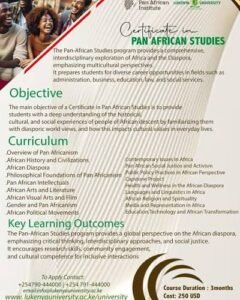
images 35 Download Past Paper On Studies in African Diaspora and Pan-Africanism for Revision

Download Past Paper On Studies in African Diaspora and Pan-Africanism for Revision

Are you looking for Studies in African Diaspora and Pan-Africanism...