Download Consumer Behavior Exam Past Paper

Consumer Behavior Exam Past Paper

If you’re preparing for a Consumer Behavior exam, one of the smartest methods to boost your readiness is to work through past exam papers. These documents are more than just collections of old questions — they offer a window into how the subject is assessed, the kinds of questions that appear, and how much depth is required in your answers. By practising with past papers, you build familiarity with the exam style, refine your understanding of key concepts, and sharpen your ability to apply theory to real situations.

Consumer-Behavior-Exam-Past-Paper-Mpya-News

Working with past papers helps you become accustomed to the exam structure. Many Consumer Behavior exams include a blend of short‑answer sections, essay questions, case scenarios, and sometimes multiple‑choice questions. Going through previous papers helps you identify how many questions there are, how they are weighted, and where the emphasis lies. You’ll start recognising whether the examiner prefers diagram‑based answers, examples from real life, or comparison of models. This awareness reduces uncertainty on exam day and gives you more control over how you allocate your time among the questions.

Past papers also highlight the recurring themes in Consumer Behavior. You’ll find questions about the consumer decision process, the role of internal influences such as motivation, perception, personality, attitudes; as well as external influences like culture, social class, reference groups. Many papers ask you to apply models like Maslow’s hierarchy of needs, Freud’s personality theory, or Engel‑Kollat‑Blackwell’s decision‑making model. They may require you to analyse specific consumer segments, explain how marketers should respond to evolving behavior, or evaluate why certain marketing strategies fail. Understanding these recurring themes makes your revision more focused and efficient.

Another major benefit of using past papers is practising application rather than just theory. Consumer Behavior exams often set tasks such as a case study of an online purchase decision, asking you to identify the type of decision‑making process, explain the psychological and sociological influences at work, and then suggest how a company might influence that decision. By practising those earlier papers, you learn to break down such questions: identify which stage of the decision process is being referenced, which internal or external influences are relevant, and how marketing strategy can be tailored. This kind of application is what many examiners are testing.
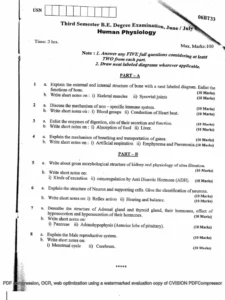
When practising, it’s essential to simulate real exam conditions. Choose a past paper, set the exam duration, work without distractions, and treat it as if you’re in the exam room. After finishing, review your answers critically. Compare your responses with model answers if available, or use your class notes and textbooks to gauge how well you did. Identify where you lost marks: Was your theoretical explanation weak? Did you miss a reference to a model? Did you fail to link your answer to a specific example? Use that policy-page-at-mpya-news/" title="Feedback">feedback to guide your further revision.

Many universities publish Consumer Behavior past papers online. For example, you can find papers at the repository of Mount Kenya University titled “MBM6103: Consumer Behaviour (2023‑24)”. Past Papers Repository There are also other institutions and websites that provide question papers from past years, which you can download and use. Kenyaplex+1 Reviewing a range of papers from different institutions gives you exposure to varying question styles and ensures you’re not surprised by an unusual format.

Clear structure in your answers is just as important as content. For essay questions, begin by defining key concepts, followed by explanation of relevant theories, then link to specific examples (case study, local market, cultural context) and conclude with a summary that ties the points together. In practical or applied questions, explicitly refer to stages of the consumer decision process, internal/external influences, or relevant models. Using past papers trains you in this structure so you don’t lose time thinking about how to write, but focus instead on what to write.

Another effective approach is to stay current with trends that might appear in modern Consumer Behavior exams. Recent questions may incorporate digital behavior, online communities, influencer marketing, sustainability and ethical consumption. When revising with past papers, reflect on how those older questions might evolve and how new trends map onto the theories you’ve studied. For example, if a past paper asked about reference groups and external influences, consider how social media influencers fit into that concept today.
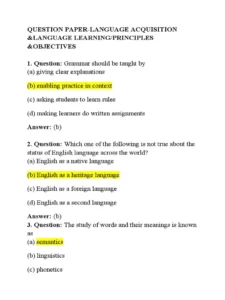
Ultimately, practising with Consumer Behavior past papers builds your confidence. Rather than going into the exam hoping you’ll recognise something, you’ll go in knowing you’ve seen similar questions and you’ve responded to them. You’ll know how to structure your answers, you’ll recognise recurring topics, and you’ll be comfortable applying theory to marketing strategy. That’s what separates students who do well from those who merely hope to pass.

So gather as many past papers as you can find, set aside time to complete them under timed conditions, review and reflect on your performance, and adapt your revision accordingly. With solid practice and clear application of theory, you’ll enter your Consumer Behavior exam ready to excel.

Download Link

Back to Mpya News Home page: Education, Fashion, Law, business and sports
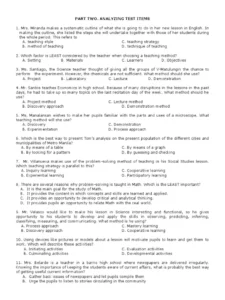
Last updated on: November 13, 2025

New information gained / new value takehome

  • By practising with past papers, you build familiarity with the exam style, refine your understanding of key concepts, and sharpen your ability to apply theory to real situations.
  • Consumer-Behavior-Exam-Past-Paper-Mpya-News Working with past papers helps you become accustomed to the exam structure.
  • Many Consumer Behavior exams include a blend of short‑answer sections, essay questions, case scenarios, and sometimes multiple‑choice questions.
  • Another major benefit of using past papers is practising application rather than just theory.
  • Related Read: Download Real Estate Finance Exam Past Paper When practising, it’s essential to simulate real exam conditions.
  • Compare your responses with model answers if available, or use your class notes and textbooks to gauge how well you did.
  • Kenyaplex+1 Reviewing a range of papers from different institutions gives you exposure to varying question styles and ensures you’re not surprised by an unusual format.
  • Clear structure in your answers is just as important as content.
  • When revising with past papers, reflect on how those older questions might evolve and how new trends map onto the theories you’ve studied.
Verified Content

This content was developed using AI as part of our research process. To ensure absolute accuracy, all information has been rigorously fact-checked and validated by our human editor, Wycklliff Muthinja.

About

Digital entrepreneur and content specialist at MPYA News, focused on delivering high-quality insights and resources.

Latest Posts

Download Past Paper On Educational Communication and Information Technology For Revision

Educational Communication and Information Technology is an important subject for...

Educational Communication and Information Technology is an essential subject for students pursuing education and teaching-related courses. It explores how communication skills, instructional resources, and modern technologies contribute to effective teaching and learning. Students preparing for examinations can use Educational Communication and Information Technology past papers alongside lecture notes, textbooks, and revision questions to strengthen their understanding. What is Educational Communication and Information Technology? Educational Communication and Information Technology refers to the application of communication principles and technological tools in educational settings. It helps teachers deliver information effectively and enables learners to access, process, and share knowledge through different channels. The subject includes communication processes, instructional media, computer applications, internet services, multimedia, e-learning, and digital educational resources. Why are Educational Communication and Information Technology past papers important? Past papers help students practise answering examination questions and become familiar with different question formats. They can also help learners identify areas that need more revision and improve their ability to manage examination time. Practising Educational Communication and Information Technology past exam papers alongside course notes can make preparation more organised. Which topics should students revise? Students should revise the main topics covered in their syllabus. These may include: Meaning and importance of communication in education Elements and models of communication Barriers to effective communication Verbal and non-verbal communication Instructional media and teaching aids Computer applications in education Internet services and digital learning resources Multimedia and e-learning Educational broadcasting Advantages and challenges of educational technology These topics provide a useful starting point for Educational Communication and Information Technology revision questions. What is the communication process? The communication process involves the exchange of information between a sender and a receiver. The sender develops a message, selects a channel, and transmits the information. The receiver interprets the message and may provide feedback. In a classroom, for example, a teacher explains a concept, learners listen and interpret the information, and their questions or responses provide feedback. What are the main elements of communication? The main elements include the sender, message, encoding, channel, receiver, decoding, feedback, and context. Noise can interfere with the process and affect understanding. Students should know the functions of these elements because they are useful when answering Educational Communication and Information Technology exam questions. What is the difference between verbal and non-verbal communication? Verbal communication uses spoken or written words to convey information. Examples include classroom discussions, lectures, textbooks, and written instructions. Non-verbal communication involves conveying meaning through gestures, facial expressions, posture, eye contact, and other visual signals. Teachers often use both forms to explain concepts and interact with learners. What are the barriers to effective communication? Communication barriers are factors that prevent a message from being transmitted or understood clearly. Examples include language differences, poor listening, unclear explanations, excessive classroom noise, cultural differences, and technical difficulties. Teachers can reduce these barriers by using clear language, encouraging questions, choosing suitable communication channels, and checking learners’ understanding. What is instructional media? Instructional media refers to materials and resources used to support teaching and learning. Examples include charts, diagrams, maps, models, photographs, audio recordings, videos, projectors, and computers. The appropriate teaching aid depends on the lesson objectives, subject content, learners’ needs, and available resources. How does information technology support education? Information technology supports education by helping users create, store, process, retrieve, and share information. Computers, mobile devices, digital platforms, and internet services can support research, classroom teaching, communication, assessment, and access to learning materials. However, effective use requires suitable resources, digital skills, and appropriate planning. What is e-learning? E-learning is the delivery or support of learning through electronic and digital technologies. It may involve virtual classrooms, online lessons, learning management systems, electronic textbooks, recorded lectures, and online assignments. Students preparing Educational Communication and Information Technology questions and answers should understand the meaning, benefits, and limitations of e-learning. What are the advantages and disadvantages of educational technology? Educational technology can improve access to information, support interactive lessons, encourage collaboration, and provide flexible learning opportunities. It can also help teachers present complex concepts through images, audio, and video. Possible disadvantages include high equipment costs, unreliable internet connections, unequal access to devices, technical problems, and distractions. Students should be able to discuss both benefits and challenges. How can students use past papers effectively? Students should attempt Educational Communication and Information Technology past papers before looking at their notes. After completing a paper, they can review mistakes, revisit difficult topics, and practise similar questions. Searching for Educational Communication and Information Technology past papers PDF can help students locate additional revision resources through authorised educational sources. How should students answer examination questions? Students should read each question carefully and identify the instruction. Words such as “define,” “explain,” “discuss,” “outline,” and “compare” require different responses. For essay questions, students should introduce the topic, explain each main point clearly, provide relevant examples where appropriate, and finish with a conclusion. Conclusion Preparing with Educational Communication and Information Technology past papers, exam questions, revision notes, and textbooks can help students develop a better understanding of the subject. Consistent revision and timed practice can improve knowledge, answer organisation, and examination skills.Educational Communication and Information Technology is an essential subject for students pursuing education and teaching-related courses. It explores how communication skills, instructional resources, and modern technologies contribute to effective teaching and learning. Students preparing for examinations can use Educational Communication and Information Technology past papers alongside lecture notes, textbooks, and revision questions to strengthen their understanding. What is Educational Communication and Information Technology? Educational Communication and Information Technology refers to the application of communication principles and technological tools in educational settings. It helps teachers deliver information effectively and enables learners to access, process, and share knowledge through different channels. The subject includes communication processes, instructional media, computer applications, internet services, multimedia, e-learning, and digital educational resources. Why are Educational Communication and Information Technology past papers important? Past papers help students practise answering examination questions and become familiar with different question formats. They can also help learners identify areas that need more revision and improve their ability to manage examination time. Practising Educational Communication and Information Technology past exam papers alongside course notes can make preparation more organised. Which topics should students revise? Students should revise the main topics covered in their syllabus. These may include: Meaning and importance of communication in education Elements and models of communication Barriers to effective communication Verbal and non-verbal communication Instructional media and teaching aids Computer applications in education Internet services and digital learning resources Multimedia and e-learning Educational broadcasting Advantages and challenges of educational technology These topics provide a useful starting point for Educational Communication and Information Technology revision questions. What is the communication process? The communication process involves the exchange of information between a sender and a receiver. The sender develops a message, selects a channel, and transmits the information. The receiver interprets the message and may provide feedback. In a classroom, for example, a teacher explains a concept, learners listen and interpret the information, and their questions or responses provide feedback. What are the main elements of communication? The main elements include the sender, message, encoding, channel, receiver, decoding, feedback, and context. Noise can interfere with the process and affect understanding. Students should know the functions of these elements because they are useful when answering Educational Communication and Information Technology exam questions. What is the difference between verbal and non-verbal communication? Verbal communication uses spoken or written words to convey information. Examples include classroom discussions, lectures, textbooks, and written instructions. Non-verbal communication involves conveying meaning through gestures, facial expressions, posture, eye contact, and other visual signals. Teachers often use both forms to explain concepts and interact with learners. What are the barriers to effective communication? Communication barriers are factors that prevent a message from being transmitted or understood clearly. Examples include language differences, poor listening, unclear explanations, excessive classroom noise, cultural differences, and technical difficulties. Teachers can reduce these barriers by using clear language, encouraging questions, choosing suitable communication channels, and checking learners’ understanding. What is instructional media? Instructional media refers to materials and resources used to support teaching and learning. Examples include charts, diagrams, maps, models, photographs, audio recordings, videos, projectors, and computers. The appropriate teaching aid depends on the lesson objectives, subject content, learners’ needs, and available resources. How does information technology support education? Information technology supports education by helping users create, store, process, retrieve, and share information. Computers, mobile devices, digital platforms, and internet services can support research, classroom teaching, communication, assessment, and access to learning materials. However, effective use requires suitable resources, digital skills, and appropriate planning. What is e-learning? E-learning is the delivery or support of learning through electronic and digital technologies. It may involve virtual classrooms, online lessons, learning management systems, electronic textbooks, recorded lectures, and online assignments. Students preparing Educational Communication and Information Technology questions and answers should understand the meaning, benefits, and limitations of e-learning. What are the advantages and disadvantages of educational technology? Educational technology can improve access to information, support interactive lessons, encourage collaboration, and provide flexible learning opportunities. It can also help teachers present complex concepts through images, audio, and video. Possible disadvantages include high equipment costs, unreliable internet connections, unequal access to devices, technical problems, and distractions. Students should be able to discuss both benefits and challenges. How can students use past papers effectively? Students should attempt Educational Communication and Information Technology past papers before looking at their notes. After completing a paper, they can review mistakes, revisit difficult topics, and practise similar questions. Searching for Educational Communication and Information Technology past papers PDF can help students locate additional revision resources through authorised educational sources. How should students answer examination questions? Students should read each question carefully and identify the instruction. Words such as “define,” “explain,” “discuss,” “outline,” and “compare” require different responses. For essay questions, students should introduce the topic, explain each main point clearly, provide relevant examples where appropriate, and finish with a conclusion. Conclusion Preparing with Educational Communication and Information Technology past papers, exam questions, revision notes, and textbooks can help students develop

Educational Communication and Information Technology is an important subject for...

Download Past Paper On Introduction to the Study of Language For Revision

Are you looking for Introduction to the Study of Language...

images 35 Download Past Paper On Studies in African Diaspora and Pan-Africanism for Revision

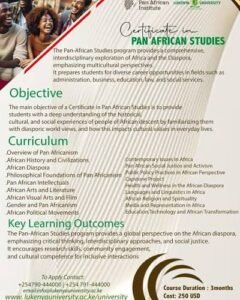
Download Past Paper On Studies in African Diaspora and Pan-Africanism for Revision

Are you looking for Studies in African Diaspora and Pan-Africanism...