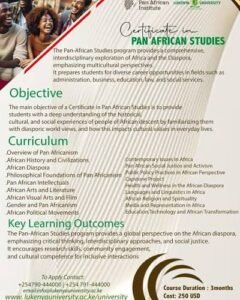
Educational Communication and Information Technology is an important subject for students studying education and teacher training. It examines how communication methods, instructional materials, and technological tools can improve the teaching and learning process. Students preparing for examinations can use Educational Communication and Information Technology past papers alongside lecture notes, textbooks, and revision questions to strengthen their understanding.
What is Educational Communication and Information Technology?
Educational Communication and Information Technology is the study of communication processes and the use of information technology in educational settings. It explains how teachers share information, how learners receive and interpret messages, and how technology supports access to educational resources.
The subject may cover communication theories, instructional media, computer applications, internet services, multimedia, e-learning, and digital literacy.
Why are Educational Communication and Information Technology past papers important?
Past papers help students practise answering examination questions and identify areas that require additional revision. They also provide experience with different question formats, including definitions, short answers, comparisons, and essays.
Practising Educational Communication and Information Technology past exam papers can help students improve their time management and organise their answers more effectively.
Which topics should students revise?
Students should review the main areas covered in their course. These may include the communication process, communication models, verbal and non-verbal communication, barriers to communication, instructional media, educational broadcasting, computer applications, internet technology, multimedia, e-learning, and the advantages and challenges of educational technology.
These topics provide a useful starting point for students searching for Educational Communication and Information Technology revision questions.
What is the communication process?
The communication process is the exchange of information between a sender and a receiver. It begins when the sender develops a message and selects a suitable channel. The receiver interprets the message and may provide policy-page-at-mpya-news/" title="Feedback">feedback.
For example, a teacher may explain a topic using a diagram, while students ask questions to confirm their understanding. This interaction demonstrates how communication supports classroom learning.
What is the difference between verbal and non-verbal communication?
Verbal communication uses spoken or written words to convey information. Examples include classroom discussions, lectures, written instructions, and textbooks.
Non-verbal communication uses gestures, facial expressions, posture, eye contact, and other visual signals. Teachers may use both forms of communication to explain concepts and maintain classroom interaction.
What are the major communication models?
Communication models explain how messages are transmitted and understood. Common examples include the linear model, which presents communication as a one-way process, and the interactive model, which includes feedback between participants.
The transactional model views communication as a process in which participants can send and receive messages simultaneously. Students should revise the models covered in their syllabus and understand how each applies to educational situations.
What are the barriers to effective communication?
Communication barriers are factors that prevent messages from being delivered or understood correctly. They include language differences, poor listening, unclear explanations, physical distractions, cultural differences, and technical difficulties.
Teachers can reduce these barriers by using simple language, selecting suitable teaching resources, encouraging questions, and checking whether learners understand the lesson.
What is instructional media?
Instructional media refers to resources used to communicate educational content. Examples include charts, maps, photographs, models, posters, audio recordings, videos, projectors, and computer presentations.
The choice of instructional media should depend on lesson objectives, subject content, learners’ needs, available facilities, and the time required to prepare and use the resources.
How does information technology improve teaching and learning?
Information technology helps teachers create, store, process, retrieve, and share educational information. Computers, mobile devices, digital platforms, and internet services can support research, communication, assessment, and access to learning materials.
Technology can also help learners study independently and collaborate on assignments. However, limited internet access, insufficient equipment, technical problems, and inadequate digital skills may affect its effectiveness.
What is e-learning?
E-learning is learning supported or delivered through electronic and digital technologies. It may involve online lessons, virtual classrooms, learning management systems, electronic textbooks, recorded lectures, and online assignments.
Students preparing for Educational Communication and Information Technology questions and answers should understand the benefits and limitations of e-learning, including flexibility, access to resources, connectivity challenges, and the need for digital skills.
What is multimedia in education?
Multimedia combines different forms of content, such as text, images, sound, video, and animation. Teachers can use multimedia presentations and educational videos to explain difficult concepts and provide learners with different ways of accessing information.
The effectiveness of multimedia depends on its relevance to the lesson objectives and the needs of the learners.
How can students use past papers effectively?
Students should attempt Educational Communication and Information Technology past papers PDF questions without referring to their notes first. They can then review their answers, identify mistakes, and revisit difficult topics.
It is also helpful to practise under timed conditions and use legitimate educational sources to obtain past papers relevant to the course syllabus.
How should students answer examination questions?
Students should identify the instruction in each question before writing. Words such as “define,” “outline,” “explain,” “discuss,” and “compare” indicate different expectations.
For essay questions, students should introduce the topic, explain the main points clearly, provide relevant examples where appropriate, and finish with a conclusion.
Conclusion
Using Educational Communication and Information Technology past papers, exam questions, revision notes, and textbooks can support effective examination preparation. Students should focus on understanding communication principles, instructional media, and the role of technology in education. Regular practice can improve subject knowledge, answer organisation, and examination skills.
Back to Mpya News Home page: Education, Fashion, Law, business and sports
Last updated on: October 9, 2026
New information gained / new value takehome
- Educational Communication and Information Technology is an important subject for students studying education and teacher training.
- Why are Educational Communication and Information Technology past papers important?
- Students should attempt Educational Communication and Information Technology past papers PDF questions without referring to their notes first.
- Conclusion Using Educational Communication and Information Technology past papers, exam questions, revision notes, and textbooks can support effective examination preparation.
This content was developed using AI as part of our research process. To ensure absolute accuracy, all information has been rigorously fact-checked and validated by our human editor, Collins Murithi.
External resource 1: Google Scholar Academic Papers
External resource 2: Khan Academy Test Prep
Reference 1: KNEC National Examinations
Reference 2: JSTOR Academic Archive
Reference 3: Shulefiti Revision Materials
Photo credit: instagram.com