Control systems are at the heart of modern engineering, ensuring that machines, processes, and devices operate efficiently and reliably. After grasping the basics in the first course, Control Systems II takes students into advanced techniques for analyzing and designing control systems. Because of its mathematical depth and engineering applications, exams in this subject can feel challenging. One of the best ways to prepare is by practicing with Control Systems II Exam Past Papers.
Download Link
Control-System-II-Exam-Past-Paper-Mpya-news
This course builds on fundamental principles such as policy-page-at-mpya-news/" title="Feedback">feedback, transfer functions, and block diagram reduction, moving into more advanced topics. Key areas include stability analysis using methods like Routh-Hurwitz criterion, Nyquist criterion, and root locus plots. Students also explore frequency response analysis, where Bode plots, polar plots, and Nichols charts are applied to assess system performance.
Another core area is state-space representation, which provides a modern approach to modeling and analyzing dynamic systems. This includes controllability, observability, and state feedback design. Students also learn about compensators and controllers such as PID (Proportional–Integral–Derivative), lead, and lag compensators, which are crucial in industrial automation and robotics.
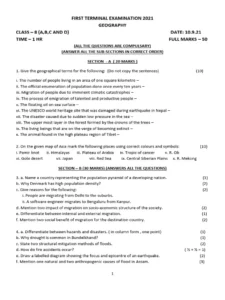
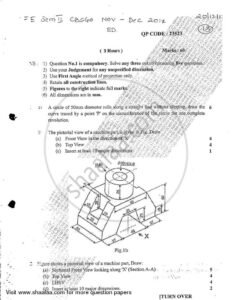
Working with past papers offers several benefits. First, it familiarizes students with the exam format and style of questions. Exams typically combine theory-based questions—such as explaining system stability criteria—with numerical problems like sketching a root locus or constructing a Bode plot. Knowing the structure reduces anxiety and increases readiness.
Past papers also help identify recurring topics. For example, stability criteria, frequency response methods, and controller design questions frequently appear across exam sessions. Recognizing these patterns allows students to prioritize revision and focus on areas that carry more weight.
Another advantage is that practicing past papers strengthens problem-solving speed and accuracy. Since most questions require detailed calculations and graphical analysis, solving them under timed conditions improves efficiency and ensures that students complete the paper on time.
Additionally, past papers are a valuable self-assessment tool. Students can attempt questions, compare with solutions, and pinpoint weak areas, such as interpreting Nyquist plots or designing compensators. This feedback makes revision more targeted and effective.
In conclusion, practicing with Control Systems II Exam Past Papers is one of the most effective strategies for success. It builds problem-solving skills, reinforces theoretical knowledge, and boosts confidence, ensuring students excel in this advanced subject.
Back to Mpya News Home page: Education, Fashion, Law, business and sports
Last updated on: September 5, 2025
External resource 1: Coursera Online Degrees
External resource 2: edX Professional Programs

Reference 1: U.S. News Education Rankings
Reference 2: SNHU Distance Learning
Reference 3: GCU University Programs
Photo credit: instagram.com
New information gained / new value takehome
- Because of its mathematical depth and engineering applications, exams in this subject can feel challenging.
- Key areas include stability analysis using methods like Routh-Hurwitz criterion, Nyquist criterion, and root locus plots.
- Working with past papers offers several benefits.
- Since most questions require detailed calculations and graphical analysis, solving them under timed conditions improves efficiency and ensures that students complete the paper on time.
- Back to Mpya News Home page: Education, Fashion, Law, business and sports Last updated on: September 5, 2025Mpya News Sitemap .
- News Education Rankings Reference 2: SNHU Distance Learning Reference 3: GCU University Programs Photo credit: instagram.
This content was developed using AI as part of our research process. To ensure absolute accuracy, all information has been rigorously fact-checked and validated by our human editor, Rodgers Mwenda.