Cell Biology is a fundamental branch of biology that studies the structure, function, and processes of cells, which are the basic units of life. Preparing for a Cell Biology exam can be challenging because it combines theoretical concepts with practical laboratory applications. One of the most effective ways to revise is by practicing a Cell Biology exam past paper.
Below is the download link
Above is the download link
Past papers provide students with insight into the types of questions commonly asked, the topics that are frequently tested, and the depth of answers expected. They are an essential tool for structured and effective exam preparation.
Why Use Cell Biology Exam Past Papers?
Using past papers offers several benefits:
-
Understand Exam Structure: Familiarize yourself with multiple-choice, short-answer, and essay-style questions.
-
Identify Key Topics: Recognize the areas most frequently tested by examiners.
-
Improve Analytical Skills: Practice interpreting diagrams, labeling structures, and explaining cellular processes.
-
Enhance Time Management: Learn how to balance time between short-answer and long-answer questions.
-
Build Confidence: Repeated practice reduces exam anxiety and improves accuracy.
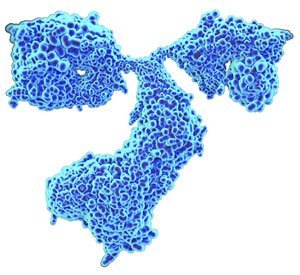
Whether you are preparing for high school, undergraduate, or advanced biology exams, past papers are an invaluable revision tool.
Key Topics in Cell Biology Exam Past Papers
Most Cell Biology exams cover both structural and functional aspects of cells. Commonly tested topics include:
-
Cell Structure and Organelles: Nucleus, mitochondria, chloroplasts, endoplasmic reticulum, Golgi apparatus, and lysosomes.
-
Cell Membrane and Transport: Membrane structure, diffusion, osmosis, active transport, and endocytosis/exocytosis.
-
Cell Division: Mitosis, meiosis, and the cell cycle.
-
Cell Communication and Signaling: Signal transduction pathways, receptors, and cellular responses.
-
Energy and Metabolism: Cellular respiration, photosynthesis, ATP production, and enzymatic reactions.
-
Molecular Biology: DNA replication, transcription, translation, and gene expression.
-
Cell Specialization: Stem cells, differentiation, and tissue formation.
-
Microscopy and Laboratory Techniques: Observation of cells and preparation of slides.
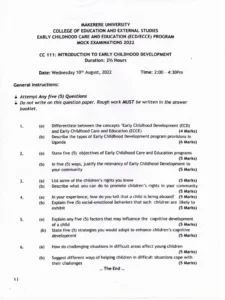
Past papers often include diagrams for labeling, data interpretation, and scenario-based questions, helping students connect theory to practical applications.
Structure of Cell Biology Exam Past Papers
Cell Biology exams are typically structured to test understanding, analytical skills, and application. A typical past paper may include:
-
Short Answer Questions: Definitions, explanations, and identification of structures.
-
Diagram Questions: Labeling organelles, illustrating processes, or interpreting cell images.
-
Structured Questions: Explain cellular mechanisms or experimental results.
-
Essay Questions: Discuss broader topics such as energy metabolism, cell signaling, or cell differentiation.
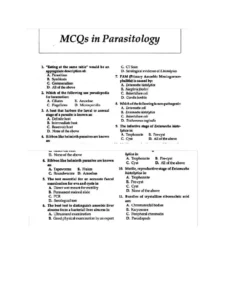
Practicing past papers helps students understand mark allocation and how to structure detailed and accurate responses.
Download link
Back to Mpya News Home page: Education, Fashion, Law, business and sports
Last updated on: December 16, 2025
New information gained / new value takehome
- Preparing for a Cell Biology exam can be challenging because it combines theoretical concepts with practical laboratory applications.
- They are an essential tool for structured and effective exam preparation.
- Using past papers offers several benefits: Understand Exam Structure: Familiarize yourself with multiple-choice, short-answer, and essay-style questions.
- Identify Key Topics: Recognize the areas most frequently tested by examiners.
- Key Topics in Cell Biology Exam Past Papers Most Cell Biology exams cover both structural and functional aspects of cells.
- Structured Questions: Explain cellular mechanisms or experimental results.
This content was developed using AI as part of our research process. To ensure absolute accuracy, all information has been rigorously fact-checked and validated by our human editor, Alex Munene.