Aurora Weather: When it comes to the enchanting display of the Northern and Southern Lights, understanding the intricacies of Aurora weather becomes key. From the icy chill of cold months to the warmth of summer nights, and the neutrality of transitional days, each season brings its own unique spectacle to the celestial dance of the auroras.
Cold Months: Arctic Chill and Dazzling Lights
As winter blankets the polar regions, the Aurora Borealis in the Northern Hemisphere and the Aurora Australis in the Southern Hemisphere take center stage. The cold months, typically from October to March, create ideal conditions for witnessing the auroras. The crisp, clear air and longer nights provide the perfect backdrop for the vibrant hues of green, pink, and purple to paint the night sky.
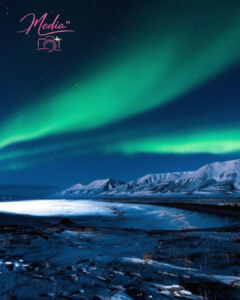
Tips for Cold Month Aurora Chasing
- Choose High-Latitude Locations: Head towards the polar regions, such as Scandinavia, Canada, or Alaska, for an optimal aurora-viewing experience.
- Stay Warm: Dress in layers to combat the frigid temperatures, ensuring you can fully enjoy the celestial spectacle without succumbing to the cold.
Warm Months: Midnight Sun and Southern Splendor
Contrary to popular belief, auroras are not exclusive to winter. The warm months, particularly during the summer solstice, offer a unique twist to aurora hunting. In regions near the poles, such as Norway and Antarctica, where the sun never fully sets, auroras can still grace the night sky during the midnight sun season.
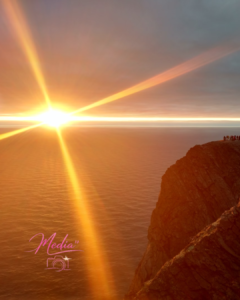
Tips for Warm Month Aurora Chasing
- Visit Polar Regions: Explore destinations like Norway, Iceland, or Antarctica during their summer months for a chance to witness auroras under the midnight sun.
- Plan for Longer Days: Since nights are shorter during the warm months, plan your aurora expedition during the twilight hours to maximize your chances of spotting the lights.
Neutral Days: Equinox Magic
Equinoxes, occurring in spring and autumn, bring about a balance between day and night. These transitional periods, with their moderate temperatures and relatively equal day-to-night lengths, offer a unique opportunity to witness the auroras without the extreme conditions of winter or the perpetual daylight of summer.

Tips for Equinox Aurora Chasing
- Choose Equinox Periods: Plan your aurora expedition around the equinoxes, typically in March and September, for a celestial display in more temperate conditions.
- Explore Diverse Locations: During equinoxes, auroras can be visible at lower latitudes, providing opportunities for aurora enthusiasts in regions not typically associated with this natural phenomenon.
In conclusion
Understanding the nuances of Aurora weather throughout the year opens up a world of possibilities for avid aurora chasers. Whether you prefer the ethereal dance of lights against a winter backdrop, the magical glow under the midnight sun, or the balanced beauty of equinox nights, each season offers a distinct and mesmerizing experience of this celestial marvel. So, pack your bags, dress accordingly, and get ready to witness the awe-inspiring beauty of the auroras in every shade of weather.
15 Frequently Asked Questions
🌡️ The Big Picture
Q1: What exactly are “neutral days” in Aurora weather?
Neutral days refer to the transitional periods of spring (March to May) and autumn (September to November). During these weeks, the climate avoids the biting freeze of winter and the heavy heat of summer, offering mild temperatures, fluctuating conditions, and shifting daylight hours.
Q2: Which months are considered the absolute coldest?

The deepest cold hits between December and February. January is typically the coldest month of the year, where temperatures frequently drop well below freezing, and regions prone to snow see their highest accumulations.
Q3: Which months are the warmest?
The warm season spans from June to August, with July consistently ranking as the hottest month. During this peak summer window, daytime highs can climb significantly, making it the premier time for traditional warm-weather outdoor activities.
❄️ Cold Months (Winter Shifts)
Q4: Does the severe cold affect the clarity of the skies?
Yes, but in a good way for stargazers. Extreme cold drops the air’s capacity to hold moisture. This means that while winter nights are freezing, they are frequently crisp, dry, and exceptionally clear.
Q5: What should I pack if I visit during the cold months?
Layering is vital. You will want a moisture-wicking base layer, an insulating middle layer (like fleece or wool), and a wind- and waterproof outer shell. Do not skip high-quality insulated boots, heavy gloves, and a thermal beanie.
Q6: How long do the dark hours last during the coldest months?
In high-latitude aurora zones, winter brings extreme darkness, sometimes resulting in “polar nights” where the sun barely rises, offering up to 20-24 hours of night. In standard continental zones (like Aurora, CO), winter days are simply shorter, providing roughly 9 to 10 hours of daylight.
☀️ Warm Months (Summer Climate)
Q7: Is summer a rainy season or a dry season?
This depends entirely on your geography. For continental cities like Aurora, CO, summer brings warm, dry days with occasional late-afternoon thunderstorms. For Arctic aurora regions, summer features the “Midnight Sun”—continuous daylight that makes it impossible to see the Northern Lights, despite the comfortable hiking weather.
Q8: Do the warm months experience drastic temperature drops at night?

Yes. Especially in semi-arid or high-altitude continental climates, daily temperature swings can be dramatic. A hot 30°C (86°F) day can easily plunge by 15°C (around 30°F) once the sun sets, requiring a jacket even in July.
Q9: What are the best outdoor activities during the warm months?
With long daylight hours and predictable warmth, it is prime time for hiking, mountain biking, camping, and exploring open-air festivals or local lakes.
🍂 Neutral Days (Spring & Autumn Transitions)
Q10: Why do experts highly recommend “neutral days” for traveling?
Neutral days offer the best of both worlds: lighter crowds, cheaper off-season pricing, and moderate weather. You avoid both the physical strain of sub-zero winter survival and the exhaustion of peak summer heatwaves.
Q11: How unpredictable is the weather on a neutral day?
Highly unpredictable. Spring and autumn are literal battlegrounds between competing warm and cold air masses. You might experience a t-shirt-ready sunny morning followed by a sudden afternoon snow flurry or rainstorm. Packing adaptable layers is non-negotiable.
Q12: What are the fall colors like during autumn neutral days?
In forested regions, mid-September through October brings spectacular “foliage” seasons. The landscapes transform into vibrant patches of orange, gold, and red, making it a favorite window for photographers.
🌌 Aurora Borealis (Northern Lights) Connections
Q13: Can you see the Northern Lights during the warm months?
No. Even though solar activity happens constantly year-round, the night sky during the warm summer months simply does not get dark enough to make the aurora visible to the human eye.

Q14: Why are neutral days around the equinoxes considered “magic” for the aurora?
Due to a geomagnetic phenomenon known as the Russell-McPherron effect, the tilt of the Earth’s magnetic field aligns perfectly with the solar wind during the spring and autumn equinoxes (March and September). This opens “cracks” in our magnetosphere, sparking larger, more frequent, and more vibrant northern lights displays than mid-winter, all while enjoying milder neutral-day temperatures!
Q15: What is the balance between cold months and neutral days for aurora hunting?
-
Cold Months (Nov–Jan): Provide maximum hours of pitch-black skies to spot faint displays, but you must brave punishing sub-zero temperatures.
-
Neutral Days (Sep–Oct & Mar–Apr): Give you warmer conditions, beautiful open water reflections (in autumn before the freeze), and high equinox solar activity, but with fewer total hours of daily darkness.
OTHER TOP ARTICLES OF THE DAY;
Back to Mpya News Home page: Education, Fashion, Law, business and sports
Last updated on: May 21, 2026
New information gained / new value takehome
- Aurora Weather: When it comes to the enchanting display of the Northern and Southern Lights, understanding the intricacies of Aurora weather becomes key.
- From the icy chill of cold months to the warmth of summer nights, and the neutrality of transitional days, each season brings its own unique spectacle to the celestial dance of the auroras.
- Tips for Cold Month Aurora Chasing Choose High-Latitude Locations: Head towards the polar regions, such as Scandinavia, Canada, or Alaska, for an optimal aurora-viewing experience.
- Warm Months: Midnight Sun and Southern Splendor Contrary to popular belief, auroras are not exclusive to winter.
- The warm months, particularly during the summer solstice, offer a unique twist to aurora hunting.
- Tips for Equinox Aurora Chasing Choose Equinox Periods: Plan your aurora expedition around the equinoxes, typically in March and September, for a celestial display in more temperate conditions.
- During this peak summer window, daytime highs can climb significantly, making it the premier time for traditional warm-weather outdoor activities.
- In high-latitude aurora zones, winter brings extreme darkness, sometimes resulting in “polar nights” where the sun barely rises, offering up to 20-24 hours of night.
- 🍂 Neutral Days (Spring & Autumn Transitions) Q10: Why do experts highly recommend “neutral days” for traveling?
This content was developed using AI as part of our research process. To ensure absolute accuracy, all information has been rigorously fact-checked and validated by our human editor, Rodgers Mwenda.
External resource 1: BBC World News Coverage
External resource 2: Reuters Global Agency
Reference 1: The New York Times International
Reference 2: Al Jazeera News Updates
Reference 3: Associated Press Official
Photo credit: instagram.com